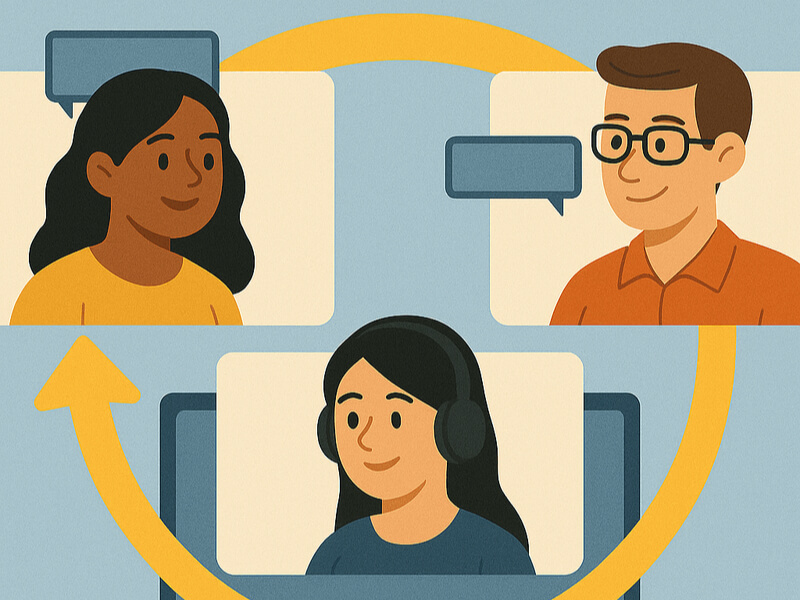


The role of human resources is changing as the workplace becomes more digital, dispersed, and data driven. In the past, HR relied on intuition, observations, and occasional feedback. Now, however, people teams have access to a lot of data that helps them understand how work really gets done. But are they getting the most out of them?
Engagement surveys, performance evaluations, and recurring feedback loops have historically been at the center of people analytics. These tools can give you useful information on how happy and satisfied employees are, but they often miss a key part of the problem: how employees utilize their tools and spend their time every day.
Organizations need to go beyond static insights and include real-time behavioral data, such as app usage trends, attention time, and workload distribution, to their people analytics arsenal in order to lead strategically. This combination of qualitative and quantitative data gives us a more comprehensive understanding of how employees feel, how successfully they do their jobs, and how healthy they are.
Surveys are still important, but they aren't enough
You can still use pulse and engagement surveys to find out how employees feel about their jobs, how motivated they are, and how well they work together. They help us understand how people feel, what they value, and what they need to work on as leaders. These realizations, on the other hand, are random and often happen later. Someone can say they feel overwhelmed or disengaged, but what if you could also see their workload data? What if their time logs revealed that they were working a lot more overtime than their coworkers or that meetings consumed up 60% of their week? By combining behavioral data with survey results, HR teams may prioritize interventions, confirm concerns, and come up with more targeted solutions. The idea is to use evidence to make employees' voices stronger, not to replace them.
The power of behavioral data
As digital workflows become more common, employees leave behind a trail of data every day. This includes when they log in, how they spend their time, which tools they use most, and how often they switch contexts. This behavioral data, collected through employee productivity tools, provides valuable insight into work habits that wasn't visible previously.
For instance, tracking app usage might show where they are wasting time, like spending too much time on messaging platforms, or where they are putting in extra effort, like when they are using deep focus tools. Time records can show when workers are most productive, when they're most likely to be stopped, and how the workload changes from department to department.
When this data is anonymously aggregated, it helps HR teams figure out how work is organized, where problems are, and how to better support high performance without burning out.
Holistic insights for smarter decision-making
The true benefit is achieved when conduct and sentiment are combined together. Think of an HR dashboard where you can spot teams that are under a lot of stress and help them by showing them evidence of broken schedules or by comparing their levels of engagement with time monitoring data. This level of understanding makes it easier to come up with more proactive people tactics. It helps leaders reassess how things are done to find balance, deal with new hazards early on, and put resources where they are most needed. It also strengthens the case for policies that promote wellness, flexibility, and justice based on evidence rather than just opinions.
The focus of people analytics is no longer simply on how people feel; it's also on how they work. By combining the practical visibility of behavioral data with the emotional intelligence of surveys, HR directors may be able to make more thoughtful and caring decisions. For the future of work, feedback loops alone won't cut it; a more complete strategy is needed. And that starts with paying attention to what your employees say and what their time tells you.