
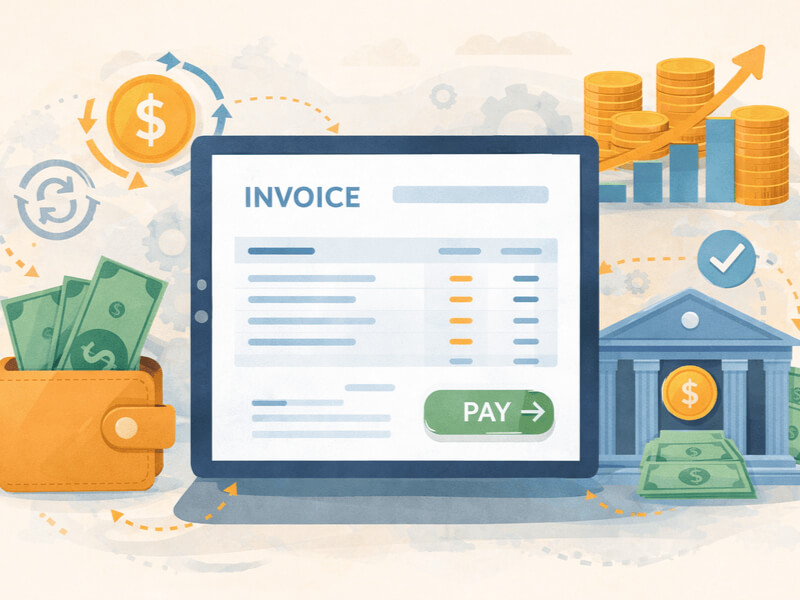
Cash flow problems can be a real nightmare, and sometimes that's because invoices just aren't getting turned into payments as quickly as they should be—even when a company's raking in the cash. Things like creating and sending invoices, getting approvals, or resolving disputes can all drag on and tie up working capital without you even realizing it's happening. But for some reason, a whole lot of businesses are still using manual invoicing methods, which is just a big waste of time and money. Using a streamlined process to send an invoice can help speed up collections and improve cash flow.
Here's the thing: by switching to electronic invoicing, you can flip that whole scenario on its head. By going digital and streamlining the invoicing process, companies that make the change can level out the time between sending out an invoice and getting paid, cut down on errors that lead to disputes and make it a whole lot easier for customers to pay. What's more, when finance departments start using e-invoicing software, they're usually pretty surprised by how much it's going to benefit them - it's not just about making things more efficient, it's about getting cash flow to be more stable.
Being aware of this connection is the key to unlocking some serious financial efficiency - the kind that traditional invoicing methods just can't deliver.
Why Invoicing Speed is the Secret to Cash Flow
Cash flow comes down to one simple thing: getting your money in the door as quickly as possible. It may be recorded the moment a deal is closed, but the real money doesn't start flowing in until the invoices get created, delivered and processed. When invoicing processes are slow or bogged down in manual steps, payment cycles just drag on. Manual invoicing tends to create all sorts of issues - such as:
- Delayed invoices being sent out
- Documents disappearing
- Approval bottlenecks
- Errors in data entry
Each one of these delays stretches out payment time. And the most common reason invoices get delayed is because they're stuck in the manual processing queue. The faster an invoice gets to the customer, the faster you get paid.
Fewer Errors Means Fewer Payment Disputes
Errors in invoices are a major barrier to getting paid on time. Tax errors, missing purchase order numbers or incomplete details are just a few of the things that might cause a customer to reject an invoice or dispute it.
When that happens, the whole payment cycle starts all over again. And it's not just small things - a manual invoicing system can really put a strain on finance teams. A simple typo can delay payment for days. But it's a whole different story when you're using an electronic invoicing system - it can verify invoice details before sending them out, and that's just one of the perks. Another is that the invoice data is formatted in a standardized way, so you can rely on it being accurate.
Real-time Visibility into Your Receivables
Cash flow problems usually arise when finance teams just aren't seeing the bigger picture - where are those payments coming in from? Traditional invoicing systems require manual tracking - often spreadsheets or email threads. Many finance teams also evaluate best AR automation platforms to centralize receivables management and improve reporting accuracy. But with electronic invoicing software, you can see exactly when an invoice is sent, when it's received, when it's approved and when payment is due. But with electronic invoicing software, you can see exactly when an invoice is sent, when it's received, when it's approved and when payment is due. That's the kind of transparency that lets managers accurately forecast cash inflows - and make informed decisions about spending, investing and working capital management.
Faster Approvals Mean Payments Happen Faster
In a lot of organizations, invoices have to go through a whole chain of approvals before payment can be processed. It's not uncommon for invoices to get stuck in this queue for days.
Electronic invoicing software helps automate the approval process - so invoices get routed to the right person, delays are minimized and approvals happen quickly. And it's not just about approvals - you can also cut down on manual follow-ups, eliminate lost documents and speed up internal approval processes.
Since the approval cycle is shorter, invoices get processed faster and businesses get paid quicker.
Conclusion
It's not just about raising sales - handling cash flow effectively is all about how quickly you get paid. And that depends on how smoothly the invoicing process goes.
Handing out invoices the old-fashioned way just increases the chances of delays, errors and more work for the finance team. When a business switches to electronic invoicing software, they can expect to see shorter invoicing cycles, better tracking of payments and improved management of accounts receivable.
FAQs
1) What is electronic invoicing software?
Electronic invoicing software is the digital tool that lets you generate, send and track invoices automatically - and makes sure they're accurate and compliant.
2) How does electronic invoicing improve cash flow?
Electronic invoicing helps businesses get paid quickly by delivering invoices fast, cutting errors and streamlining approvals.
3) Can small businesses use electronic invoicing?
Absolutely - any business can use electronic invoicing software, regardless of size - it simplifies billing and improves financial record keeping.