Get Started!
Add to Slack for Free
Add to Teams for Free
Questions? Watch or Schedule a Demo
Already have an account?
Sign In
Platform
Resources
Enterprise
Watch Demo
Pricing
Sign In
Contact Sales
Get Started — Free!
Recognition
Peer Recognition
Celebrate wins together with kudos
Company Values
Bring values to life through recognition
Feedback Friday™
Start a weekly recognition habit
Celebrations
Never miss a birthday or anniversary
Challenges
Motivate with goal-based incentives
Analytics & Reporting
Answer culture questions in real-time
Rewards
eGift Cards
3,500+ options across 200+ countries
Company Store
Offer exclusive perks and experiences
Company Swag
Branded merchandise for employees
Corporate Gifts
New
Send curated premium gifts
Charitable Donations
Give to meaningful causes
Flexible Payouts
Monetary and prepaid reward options
Surveys
Employee Surveys
Fully customizable for any need
Pulse Surveys + eNPS
Gather continuous, real-time feedback
Onboarding Surveys
New
Collect feedback from new hires
Integrations
Slack Integration
Connect Matter to Slack
Microsoft Teams Integration
Connect Matter to Microsoft Teams
Spotlight
Platform Overview
ROI Calculator
Customer Stories
Resources
Employee Turnover Calculator
See how much turnover is costing you
Rewards Budget Calculator
Control your rewards program cost
Blog
Grow culture with actionable content
Research
New
Original data on how work is changing
Success
Customer Stories
How teams build culture with Matter
Partner With Matter
Partnership resources to get started
Rollout Toolkit
Launch with ready-to-use resources
Solutions
New
Strategies for every kind of team
Help
Help Center
Advice and answers from our team
Video Guides
Fully experience Matter with videos
Contact Matter
Have questions? Send us a message
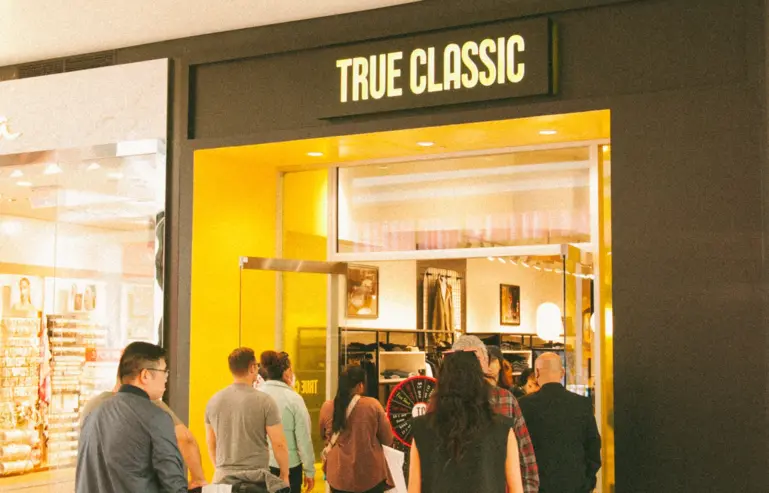
True Classic Story
Driving a culture of value-based recognition and rewards for the billion-dollar apparel brand.
Learn more
Resources
Platform
Platform
Resources
Enterprise
Watch Demo
Pricing
Recognition
Peer Recognition
Company Values
Feedback Friday™
Celebrations
Challenges
Analytics & Reporting
Rewards
eGift Cards
Company Store
Company Swag
Corporate Gifts
New
Charitable Donations
Flexible Payouts
Surveys
Employee Surveys
Pulse Surveys + eNPS
Onboarding Surveys
New
Integrations
Slack Integration
Microsoft Teams Integration
Resources
Employee Turnover Calculator
Rewards Budget Calculator
Blog
Research
New
Success
Customer Stories
Partner With Matter
Rollout Toolkit
Solutions
New
Help
Help Center
Video Guides
Contact Matter
Contact Sales
Get Started — Free!
Sign In
Grow your culture with actionable content
Employee Engagement
Employee Feedback
Employee Recognition
Employee Rewards
Employee Surveys
Comparisons
Leadership
Matter Updates
Performance Management
Productivity
No items found.
Employee Recognition & Rewards all in Slack or Teams
Free Forever. 2 Minute Setup. No Credit Card Required.
Add to Slack for Free
Add to Teams for Free
Questions? Watch or Schedule a Demo