

Many companies work hard to collect employee engagement survey results, yet they often feel unsure about how to interpret the data. At Matter, we understand how challenging it can be to move from raw numbers to meaningful insight that supports stronger teams. Leaders frequently receive pages of ratings without clear guidance on what the results mean or how to turn them into practical next steps. This can leave organizations feeling stuck, even when they are committed to improvement.
Real progress begins when leaders move beyond surface-level scoring and take a structured approach to interpreting their results. A thoughtful review helps translate feedback into clear insights that support stronger employee experiences. This deeper analysis also strengthens future feedback cycles by helping teams understand what matters most to their people. When employees see their input lead to visible action, trust grows and participation improves.
What are employee engagement surveys?

Employee engagement surveys measure how connected, motivated, and supported employees feel within their organization. They gather information through rating-scale questions and written responses that provide additional context where needed. The mix of quantitative data and qualitative input enables executives to understand both workplace strengths and areas that require improvement. This balanced structure makes surveys an essential tool for building high-performing teams.
Companies use engagement surveys to assess topics such as job satisfaction, leadership support, workplace culture, and development opportunities. These insights help organizations understand how well people feel supported in their roles. Many teams use annual surveys supported by shorter pulse surveys throughout the year to monitor changes more closely. This structure maintains awareness of trends without overwhelming employees.
Core components of employee engagement surveys
Effective surveys include several key elements that support accurate and useful measurement. Strong design begins with demographic questions that allow segmentation of results by team, role, tenure, or location while still protecting anonymity. This segmentation helps leaders understand differences in experience across the organization. It also helps identify which areas need deeper review or tailored support.
Most engagement surveys measure key drivers of a healthy workplace experience. These drivers often include recognition, clarity of expectations, growth opportunities, trust in leadership, and alignment with company values. A mix of rating-scale questions and free-text prompts ensures both structured measurement and detailed employee insight. This balance allows companies to track progress over time while still hearing the human side of feedback.
Common components include:
- Clear rating-scale questions that measure sentiment consistently
- A single eNPS recommendation question for overall engagement
- Free-text response prompts for context behind ratings
- Instructions that encourage honest and thoughtful participation
How engagement surveys differ from employee satisfaction surveys
Employee satisfaction and employee engagement surveys often get grouped together, but they measure different workplace experiences. Satisfaction surveys focus on whether employees are satisfied with their day-to-day conditions, including compensation, basic resources, and the work environment. These surveys help determine if foundational needs are met, but do not measure emotional commitment or discretionary effort. An employee may feel satisfied with their job conditions while remaining disconnected from larger goals.
Engagement surveys look deeper into the emotional connection employees feel toward their work and organization. They measure motivation, sense of purpose, trust in leadership, and willingness to contribute beyond basic expectations. These questions reveal whether employees feel valued and supported in ways that inspire higher performance. Understanding this difference helps leaders choose the right tools for different insight needs.
Engagement surveys also help companies understand what encourages long-term commitment and strong team contribution. These insights highlight experiences that drive retention, productivity, and collaboration across the organization. Satisfaction surveys highlight whether workplace basics support a functional environment. Both survey types offer value, but engagement surveys provide richer insight into long-term culture and motivation.
Key elements of associate and staff engagement surveys
Strong engagement surveys include several dimensions that shape an employee’s daily experience. These dimensions help companies understand how employees feel about their work environment, leadership support, and role clarity. A clear structure also helps teams compare experiences across groups or functions. This creates a more complete view of workplace health.
Most associate and staff surveys first assess the immediate work environment. These questions explore whether employees have the resources, tools, and support needed to succeed each day. They also examine whether expectations are clear and whether employees feel supported by their peers. These insights highlight which teams may require additional guidance or process adjustments.
Surveys also measure broader organizational drivers that influence long-term commitment. These include trust in senior leadership, belief in the company's strategy, and understanding of how individual work supports the larger goals. Insights from these questions reveal whether communication and strategy alignment are working effectively. They also show where additional clarity or guidance may be needed.
Recognition and development are essential dimensions that correlate strongly with engagement. These questions explore whether employees feel appreciated for their work and whether they see opportunities to grow. Results from these areas help leaders understand which teams need clearer development paths or better recognition practices. These insights often guide high-impact improvements with long-term benefits.
Common elements in staff engagement surveys include:
- Questions about daily support and resources
- Questions about leadership trust and company direction
- Development and recognition items that reflect growth expectations
- Communication questions that measure clarity across the organization
What are the benefits of analyzing employee engagement survey results?
Analyzing engagement survey results helps companies understand the experiences that shape employee performance and culture. A structured review reveals patterns that are not visible through day-to-day observation. These insights help leaders identify the factors that most influence satisfaction, motivation, and retention. When companies act on these findings, they strengthen trust and reinforce a culture where feedback matters.
Effective analysis also helps teams convert large sets of data into clear priorities. Leaders can identify which experiences need immediate attention and which strengths should be preserved. This clarity supports better planning and more focused leadership decisions across all levels of the organization. It also creates alignment around actions that support employees more effectively.
When employees see that their feedback leads to meaningful changes, participation improves. This builds momentum for future surveys and strengthens the feedback loop across the company. Each cycle becomes an opportunity to refine communication, improve processes, and elevate the overall workplace experience. This consistency helps organizations create long-term, sustainable progress.
Identifying specific areas requiring attention
A detailed review helps companies pinpoint exactly where to focus improvement efforts. Instead of applying broad solutions, leaders can identify issues that affect specific teams, processes, or workplace drivers. This targeted approach ensures that resources support the areas where change will have the greatest impact. It also prevents organizations from acting on assumptions instead of data.
Analysis often reveals which dimensions scored lowest across the company. It can also show which questions produced the widest differences between teams. These patterns highlight areas where employees experience challenges that require deeper review. They also help determine whether concerns are isolated or more widespread.
Leaders can use both structured ratings and written comments to understand root causes. Free-text feedback often explains why certain questions scored lower or why specific gaps persist. This combined approach creates a clearer view of what employees experience daily. It also supports stronger plans that address causes rather than symptoms.
Examples of insights that reveal priority areas include:
- Dimensions with consistently low scores across the organization
- Questions showing strong variation between teams or locations
- Gaps between current scores and desired workplace outcomes
- Themes that repeatedly appear in written feedback
Tracking trends and measurable progress over time
Regular survey analysis helps companies track whether efforts are making a meaningful difference. Baseline measurements from earlier cycles show whether scores are improving, staying steady, or declining. This trend view provides context that a single survey cannot capture. It also reveals where additional support or evaluation may be needed.
Trend analysis helps leaders understand whether new initiatives are having the desired effect. If scores rise after a change, the improvement indicates progress toward a stronger employee experience. If scores decline or remain flat, leaders can reassess programs or communication strategies. This helps ensure that improvement efforts stay aligned with actual employee needs.
Tracking trends also creates accountability across the organization. Leaders can monitor how teams respond to new tools, processes, or communication efforts. This supports more transparent conversations about progress and areas that need further attention. It also reinforces a continuous improvement mindset across the company.
Modern tools can help visualize trend changes through dashboards and alerts. These features make it easier to spot early shifts in employee sentiment. They also help leaders intervene before small concerns become larger issues. This proactive approach supports a healthier, more responsive workplace culture.
Creating data-driven plans for improvement
Data-driven planning helps companies move from insights to meaningful action. By focusing on the areas that matter most to employees, leaders can create changes that support stronger engagement and performance. These plans reflect what employees actually experience rather than assumptions about workplace needs. This technique leads to more effective and long-term improvement.
Strong plans connect survey results to clear priorities. Leaders can identify which gaps require immediate action and which strengths should be reinforced. This helps teams allocate time and resources more effectively across the organization. It also ensures that improvement efforts address the root causes behind lower scores.
Data-driven plans work best when they include specific actions and measurable goals. Leaders can outline steps, timelines, and ownership for every improvement area. These elements help maintain momentum and create clarity for both managers and employees. They also make it easier to track results during future cycles.
Examples of effective responses include hosting town halls that clarify strategy or launching recognition practices that highlight employee contributions. Leaders can also adjust communication processes or strengthen development pathways based on feedback. These actions show employees that their input leads to visible change. This encourages stronger participation and trust during future surveys.
Why analyzing employee engagement survey results is important

Careful analysis helps companies understand the experiences that support strong culture and performance. It provides insights into the workplace factors that influence retention, motivation, and productivity. Leaders who prioritize analysis gain a clearer view of how people feel across the organization. This understanding supports better decisions that align with employee needs.
Analysis is also essential as workforce expectations evolve. Employees expect organizations to listen actively and respond to their feedback with transparency. When companies analyze results thoughtfully, they show respect for employee input and commitment to meaningful improvement. This builds trust and strengthens the overall feedback process.
A strong analysis practice also helps leaders anticipate challenges before they grow. Many workplace concerns emerge gradually, and small shifts in survey data can signal future issues. By regularly reviewing these patterns, leaders can respond early and maintain a healthier workplace environment. This proactive approach reduces risk and strengthens long-term culture.
Engagement analysis also supports ongoing dialogue between leaders and employees. When teams share results, explain context, and outline next steps, communication becomes more open and supportive. This reinforces psychological safety and helps employees feel confident contributing their perspectives. Strong communication also ensures alignment across teams during improvement efforts.
Connecting survey insights to key business outcomes
Engagement results often closely align with key business outcomes. When employees feel supported and valued, performance and collaboration improve. These improvements can influence productivity, quality, and customer experience. Understanding these relationships helps leaders invest in the drivers that strengthen organizational performance.
Survey data can highlight which experiences link to better team output. For example, strong recognition practices often correlate with higher morale and improved performance. Clear expectations also support better execution and fewer process gaps. When leaders track these patterns, they can strengthen practices that support both employees and business results.
Higher engagement levels often relate to stronger customer satisfaction. Employees who feel motivated are more likely to provide better service and support. These behaviors help build stronger relationships with customers and improve long-term loyalty. Understanding these links helps leaders design programs that support both internal and external success.
The connection between engagement and performance gives leaders a compelling reason to prioritize analysis. When teams feel heard and supported, they contribute more effectively to organizational goals. Insights from surveys help leaders understand where to focus attention for the greatest impact. This creates a more aligned and resilient workplace.
Empowering leaders with actionable insights
Survey analysis gives leaders clear direction on how to support their teams more effectively. Managers gain visibility into strengths, challenges, and differences in experience across their groups. This helps them understand which areas require attention and which practices should be reinforced. With this clarity, leaders can create targeted actions that improve the daily employee experience.
Actionable insights also help managers tailor their support to team needs. Leaders can identify whether employees need clearer expectations, stronger feedback, or better communication. These insights reduce guesswork and create more confident decision-making. They also help leaders focus on actions that build trust and strengthen relationships.
Senior leaders benefit from a broader, strategic view of employee sentiment. Survey results help them assess whether key initiatives are working as intended across the organization. They can see which groups align with the company's direction and which teams need additional clarity. This supports more informed planning as the company grows or changes.
Modern tools also make it easier for leaders to explore insights on their own. Dashboards allow managers to filter results, view trends, and compare teams with minimal technical support. This accessibility helps leaders respond more quickly to changes in employee sentiment. It also supports ongoing conversations about improvement throughout the year.
Building trust through transparent communication of results
Sharing survey results openly helps strengthen trust across the organization. When leaders present findings honestly, employees feel respected and included in the improvement process. Transparency shows that results will not be hidden or minimized. This reinforces confidence that feedback leads to meaningful action.
Effective communication includes context that helps employees understand what the data means. Leaders should explain key patterns, areas of strength, and opportunities for improvement. Sharing the “why” behind results helps employees feel more connected to the company’s goals. It also sets the stage for aligned and realistic expectations.
Employees also value clear communication about next steps. When leaders outline actions and timelines, employees understand how improvements will progress. This clarity reduces uncertainty and strengthens confidence in the process. It also helps teams stay engaged as changes roll out.
Strong communication uses a variety of channels to reach everyone effectively. Leaders may share updates through written summaries, team meetings, or company-wide discussions. Visual dashboards can help reinforce trends and highlight priority areas. This multi-channel approach ensures that employees stay informed throughout the improvement cycle.
8 essential tips for interpreting overall engagement scores
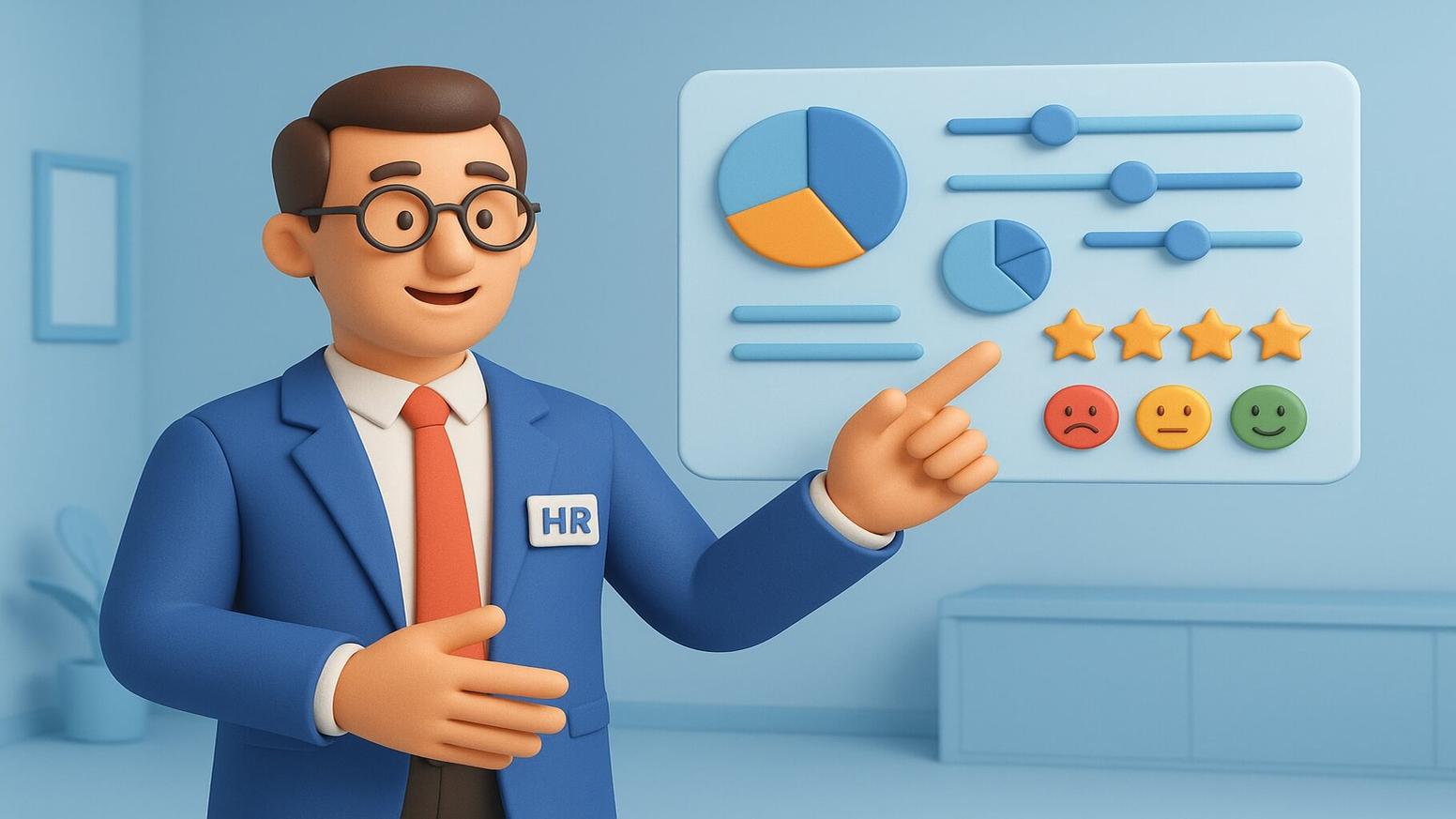
Understanding engagement scores requires more than reviewing a single number. Leaders should consider patterns across multiple survey dimensions to gain a complete picture of employee sentiment. They should also review how scores compare to previous cycles to identify meaningful changes. This ensures that insights reflect both current conditions and long-term trends.
Different score types provide different forms of insight. Overall scores reflect the organization's general sentiment, while dimension scores highlight specific strengths and challenges. Variation within teams also helps identify gaps that may require deeper review. Combining these views provides a more accurate and actionable interpretation.
Context is essential when reviewing results. Leaders should consider recent organizational changes that may influence how employees respond. They should also account for seasonal or operational cycles that may affect results. This context helps teams interpret data more accurately and with greater care.
Interpreting scores also requires thoughtful attention to scale and distribution. Understanding how responses cluster across the rating scale offers deeper insight into employee experience. Reviewing the spread of responses helps identify polarized or inconsistent experiences. This information supports more targeted and effective improvement plans.
1. Review the full distribution of responses, not just the average score.
Averages can hide important variation across different groups or teams. Reviewing the spread of responses helps identify whether employees feel consistently or inconsistently supported. Large gaps in responses may point to deeper experience differences. This insight helps leaders target improvement efforts more effectively.
2. Look for patterns across related questions within each dimension.
Questions about recognition, growth, or leadership often move together. Consistent patterns signal broader strengths or challenges that need attention. Mixed results within a dimension may suggest uneven processes or unclear expectations. These insights help leaders design more targeted improvement plans.
3. Compare results across employee groups with care and consistency.
Segmenting by team, tenure, or location helps identify differences in experience. However, segmentation must protect employee anonymity and avoid drawing conclusions from small groups. Leaders should focus on reliable patterns supported by sufficient response counts. This ensures fair interpretation and responsible use of data.
4. Use industry benchmarks to understand where your organization stands.
Benchmarks provide helpful context for evaluating performance in your sector. Leaders should compare results to organizations of similar size, structure, or industry. These comparisons help identify areas where the company leads or lags. They also support more realistic and informed goal-setting.
5. Consider the context behind every score before drawing conclusions.
Operational changes, market shifts, or busy seasons can influence employee sentiment. Leaders should review results with knowledge of recent events that may affect responses. Context helps explain unexpected changes or trends in specific areas. This supports more accurate interpretation and decision-making.
6. Recognize when score changes are statistically meaningful.
Not every shift from cycle to cycle represents a true change in sentiment. Variations of a few percentage points may reflect normal fluctuations. Leaders should focus on changes that exceed expected variation and align with qualitative feedback. This ensures attention is directed toward meaningful insights.
7. Track progress across multiple survey cycles for clear trend insights.
Trend data helps confirm whether actions lead to improvement. Consistent gains in key areas signal positive progress that deserves reinforcement. Flat or declining trends may show that initiatives need adjustment. This long-term view supports continuous improvement across the organization.
8. Combine quantitative results with written employee feedback for a deeper understanding.
Scores highlight what employees experience, but written comments often explain why those scores appear. Reviewing both inputs helps clarify the root causes behind positive or challenging trends. This balanced approach supports a more complete interpretation and stronger planning. It also helps employees feel that their full voice is heard.
6 Tips for Analyzing Results by Department

1. Review each department’s results to understand unique team experiences.
Departments often operate as distinct microcultures shaped by different workflows and leadership styles. Comparing results across groups helps reveal meaningful variations in sentiment. These differences highlight where targeted support may be needed to strengthen the employee experience. This approach ensures improvements fit each team’s reality.
2. Compare departments carefully to ensure fair and accurate interpretation.
Teams vary in size, tenure mix, and responsibilities, which can influence scores. Leaders should consider these factors before drawing conclusions about performance or culture. Fair comparisons focus on patterns rather than isolated scores. This promotes balanced understanding and avoids unfair labeling of teams.
3. Look for consistent strengths and challenges across departments.
Patterns across multiple teams may signal systemic issues that require broader attention. Shared strengths also reveal practices that can be replicated to support other groups. Recognizing these patterns helps leaders prioritize improvements with the widest impact. It also encourages sharing successful approaches across the organization.
4. Identify departments showing significant variance within their own teams.
Wide differences among team members may indicate inconsistent processes or uneven workload distribution. Leaders should review the causes behind these gaps through discussion and follow-up. Addressing these inconsistencies helps create a more equitable and supportive team environment. This supports alignment and improves collaboration.
5. Connect departmental results to relevant operational metrics.
High engagement often aligns with strong performance, lower turnover, or better customer outcomes. Comparing these indicators provides deeper insight into the impact of employee sentiment. This connection helps leaders understand how engagement influences daily operations. It also supports more informed decisions about resource needs.
6. Ensure each department reaches strong or representative response rates.
Results are most reliable when a clear majority of the team participates. Low response rates may signal trust issues or communication barriers that require attention. Leaders should encourage active participation without pressure to influence responses. This ensures data reflects the team’s true experience and needs.
5 Strategies for Evaluating Open-Ended Feedback

1. Review written comments systematically to understand the context behind ratings.
Free-text feedback reveals experiences and concerns that scores alone cannot explain. These comments help leaders understand why employees feel a certain way about their work environment. Reviewing themes across comments gives structure to unstructured feedback. This approach ensures leaders capture the full value of employee insights.
2. Use consistent categories to organize employee comments into clear themes.
Grouping narrative responses by topics such as communication, resources, or recognition provides a structure for deeper analysis. These categories help show which issues appear most often across teams or locations. Consistent tagging also reduces bias and improves reliability across reviewers. This method creates a clearer path to actionable insights.
3. Look for positive themes alongside challenges to maintain a balanced interpretation.
Employees often share strengths they value within the workplace, not just areas needing improvement. Highlighting these strengths helps leaders understand what is working well across teams. Sharing positive feedback with managers reinforces effective practices and supports morale. This balanced approach creates a clearer, more complete view of the employee experience.
4. Identify recurring topics that appear across multiple cycles of written feedback.
Repeating themes may signal long-term issues that require sustained attention. Leaders can compare narrative feedback year over year to track whether concerns improve or persist. New themes may indicate emerging needs that warrant further exploration. This trend awareness helps leaders prioritize improvements more effectively.
5. Use both manual review and technology-assisted tools to analyze comments efficiently.
Text analysis tools can help surface common words or themes at scale. These tools save time by highlighting patterns that deserve deeper manual review. Human interpretation remains essential to capture nuance, tone, and context. Combining both methods creates a more accurate and efficient evaluation process.
6 Tips for Connecting Survey Results to Business Metrics

Employee engagement survey analysis becomes most valuable when companies connect their survey data to real business outcomes. This step helps leaders understand how employee sentiment influences productivity, retention, and overall workplace culture. By comparing engagement metrics with operational results, organizations gain actionable insights that support stronger decisions. These connections also help teams track measurable progress and demonstrate how employee feedback drives meaningful change.
1. Compare engagement data with key business outcomes to identify meaningful patterns.
Employee engagement survey results often relate to productivity, quality, and customer satisfaction. Reviewing these connections helps leaders understand how engagement influences performance across teams. This comparison provides valuable insights for prioritizing improvements that matter most. It also supports stronger decisions based on clear, data-driven relationships.
2. Track how changes in engagement metrics relate to employee retention.
Lower engagement scores often appear before turnover increases. Reviewing survey data alongside retention trends helps leaders identify risk areas early. This combined analysis supports better workforce planning and strengthens organizational culture. It also helps leadership teams implement strategies that retain top talent.
3. Review survey findings next to productivity indicators for each department.
High-performing teams often show strong engagement in surveys, especially around leadership effectiveness and role clarity. Connecting these metrics helps leaders understand which experiences support higher performance. This approach also highlights practices that motivate employees across different functions. It provides a clear view of what drives positive business outcomes.
4. Examine how employee satisfaction influences customer experience and service metrics.
Employees that feel encouraged and respected are more likely to provide great customer experiences. Comparing engagement survey results with customer feedback reveals important patterns. These insights help companies strengthen both internal and external performance. They also show how employee well-being directly supports business success.
5. Use engagement survey analysis to guide resource allocation and future planning.
Survey insights highlight where investments will have the strongest impact. Leaders can focus resources on communication effectiveness, recognition programs, or development pathways based on data. This action-plan approach ensures that improvements target the root causes of challenges. It also supports continuous improvement guided by clear metrics.
6. Track progress by reviewing engagement data across past surveys and business cycles.
Trend analysis helps leaders understand whether actions are driving measurable progress. Comparing previous results with current engagement scores reveals long-term patterns. This supports stronger forecasting and more accurate planning for the leadership team. It also ensures employees see meaningful change based on their input.
How Matter can help with analyzing employee engagement survey results
Employee engagement analysis becomes significantly easier with tools that simplify data collection and interpretation. The platform provides clear insights that help companies understand how employees feel and what they need. Leaders can rely on real-time metrics to identify key patterns and respond quickly to survey results. This creates a consistent feedback loop that strengthens organizational culture and supports meaningful improvement.
1. Automated pulse surveys capture real-time employee feedback with minimal effort.
Short and frequent check-ins are delivered through Slack or Microsoft Teams, which keeps participation high. These quick surveys prevent fatigue while maintaining ongoing visibility into employee sentiment. The built-in library of more than 100 research-based questions covers ten categories and twenty-six subcategories. This structured approach ensures consistent measurement and simplifies the overall survey process.
2. A validated 5-point eNPS model improves accuracy and response rates.
The five-point scale is easier for employees to answer and supports strong measurement reliability. Research from the Matter team confirms that this format increases participation without reducing accuracy. The platform calculates both eNPS and additional engagement metrics that provide a broader view of the employee experience. This helps leadership teams understand overall engagement clearly and confidently.
3. Real-time dashboards help leaders explore, segment, and compare survey results.
Analytics tools make it simple to filter data by department, location, tenure, and other custom segments. Leaders can evaluate trends, compare teams, and spot areas that need attention without technical support. Exportable reports and advanced filtering improve the ease of reviewing complex information. These capabilities allow organizations to build accurate and comprehensive views of engagement survey results.
4. Frequent feedback cycles help teams respond to issues before they grow.
Pulse polls allow companies to monitor engagement throughout the year rather than relying on a single annual assessment. Leaders can track changes across cycles and identify early shifts in alignment or morale. This helps teams act quickly when engagement metrics decline or when employees express new concerns. Continuous feedback also shows employees that their input leads to timely improvements.
5. Seamless integration with Slack and Microsoft Teams increases participation.
Surveys reach employees directly through tools they already use, which reduces friction and boosts completion rates. No additional logins or new platforms are required for participation. This ease of access encourages honest and consistent feedback across the organization. Higher participation leads to more accurate data and protects anonymity.
6. Analytics connect survey insights to recognition, performance, and organizational outcomes.
The platform brings recognition activity and engagement data together for a clearer view of team health. Leaders can observe how appreciation and positive feedback relate to engagement trends over time. This combined perspective supports stronger decisions about development, resources, and culture initiatives. It also positions engagement as a measurable contributor to business performance.
Frequently Asked Questions About Employee Engagement Survey Results
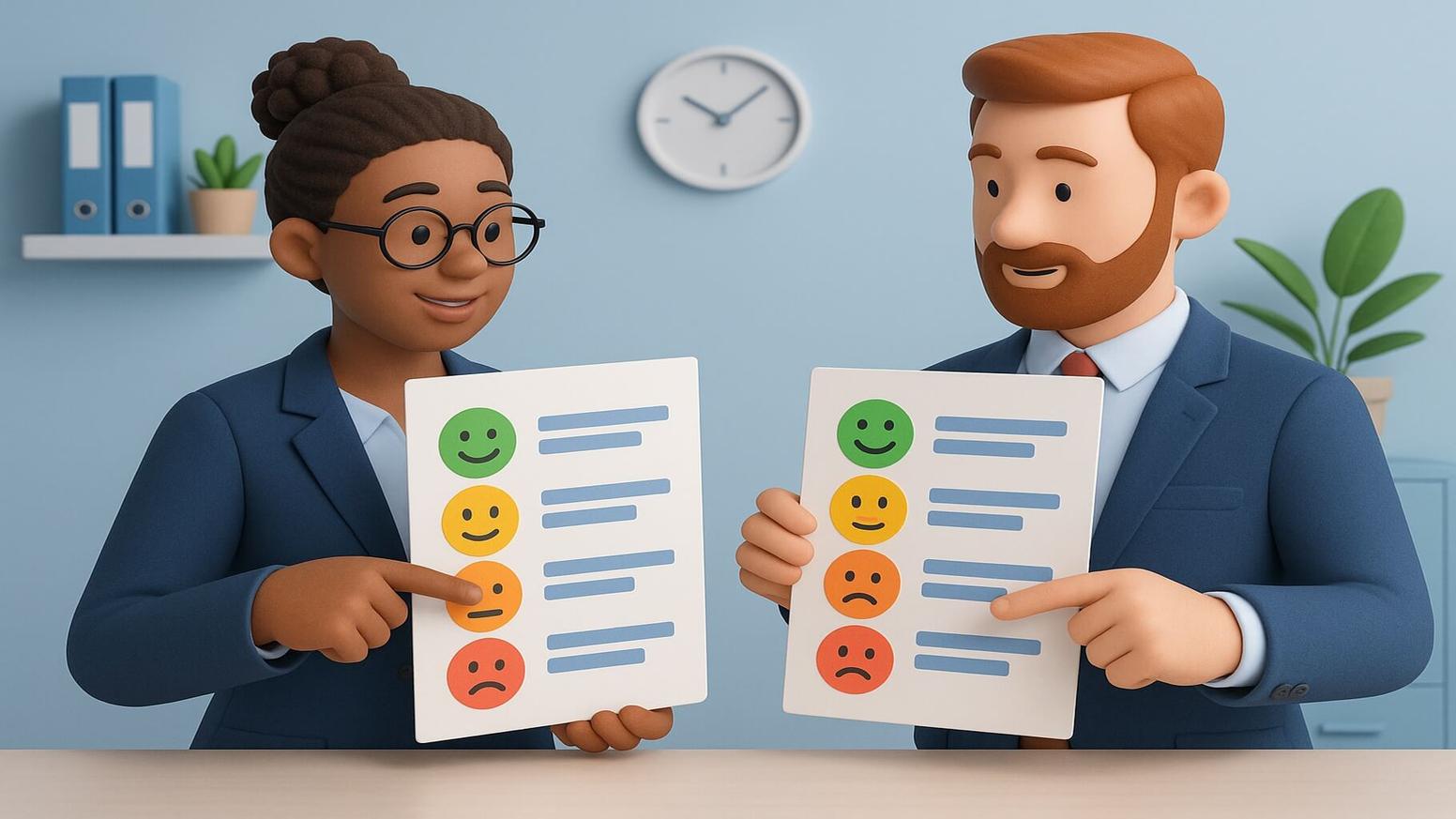
Q: What is considered a good employee engagement survey score?
A: A strong engagement score usually falls between 70 and 80 percent favorable. Scores above 80 percent indicate a very healthy workplace culture. Leaders should also compare results to industry benchmarks and previous results for context. Improvement over time matters more than the exact number.
Q: How should companies communicate employee engagement survey results?
A: Companies should share results within two to four weeks after the survey closes. Leaders should highlight key findings, strengths, and areas for improvement. Communication should also outline planned actions and timelines. This transparent approach helps employees feel informed and respected.
Q: What metrics matter most when reviewing employee engagement survey results?
A: Important metrics include the overall engagement score, response rate, favorability by category, and eNPS. Leaders should also review trends across past surveys to understand meaningful changes. Demographic segmentation helps identify differences between teams or locations. These insights guide more effective action planning.
Q: How can companies identify root causes from employee survey results?
A: Leaders should examine patterns across related questions and compare results between groups. Written comments help explain why certain scores appear. Follow-up conversations with teams add clarity when results show concerning trends. This mixed-method approach creates a clear understanding of root causes.
Q: What response rate is needed for reliable employee survey results?
A: A response rate of at least 70 percent helps ensure that the data reflects the full employee experience. Lower participation may signal trust issues or communication barriers. Leaders should remind employees why their input matters and how the results will be used. Higher rates produce more accurate and reliable insights.
Q: How often should companies analyze engagement survey results?
A: Annual surveys should be reviewed within two weeks of closing. Pulse survey trends should be monitored quarterly to understand shifts in employee sentiment. Monthly checks of key engagement metrics help identify early issues. These regular reviews support continuous improvement throughout the year.
Final thoughts about employee engagement survey results
Effective analysis of employee engagement survey results helps companies understand what employees need to feel supported and motivated. When leaders carefully review engagement data, they gain insights that guide meaningful improvements across the organization. This process strengthens trust by showing employees that their feedback leads to positive action. It also creates a clear path for continuous improvement and long-term culture growth.
Survey findings become most powerful when companies use them to drive real change. Clear priorities, transparent communication, and consistent follow-up help employees feel heard and valued. Leaders who connect survey insights to business outcomes also create stronger alignment between people and performance. This balanced approach helps organizations build resilient and engaged teams.
Matter simplifies, standardizes, and makes data analysis reliable and accessible for all teams. The platform provides pulse surveys, analytics tools, and real-time insights to help leaders identify key factors influencing engagement. Frequent feedback cycles allow companies to track trends and respond quickly to employee needs. These capabilities help create a workplace where every voice contributes to shared success.
Organizations that treat engagement survey results as a strategic asset gain a significant advantage. Employees feel more connected to company values when they see their input shape meaningful change. Leaders become more effective when they use data to guide decisions and measure progress. Consistent attention to engagement helps build a culture that supports both people and performance.
Ready to turn your survey insights into meaningful progress? Schedule a demo with a Matter expert today and learn how our platform can help you analyze engagement data, identify actionable insights, and create a workplace culture in which all employees feel heard and respected.

![39+ Employee Engagement Survey Examples [2026 Guide & Ideas]](https://cdn.sanity.io/images/kqqb5xry/production/25935096834238b3bb728390b5af938c53abb7f7-800x600.jpg?w=720&q=75&fit=max&auto=format)
![#1 Guide to Engagement Surveys [2026 Guide & 30+ Examples]](https://cdn.sanity.io/images/kqqb5xry/production/1c846350b789fbdae518fde0925ed5787322cfed-800x600.jpg?w=720&q=75&fit=max&auto=format)
![49+ Employee Engagement Survey Questions [2026 Guide]](https://cdn.sanity.io/images/kqqb5xry/production/4d901490615b37aeb81f024d7f5666a52dc8aa8b-800x600.jpg?w=720&q=75&fit=max&auto=format)