

Creating an exceptional onboarding experience is vital for building engaged teams and reducing costly early turnover. At Matter, we understand that achieving this can be challenging for businesses striving to gather meaningful insights from new hires. Many organizations struggle to design new-hire feedback survey questions that capture honest perspectives rather than eliciting surface-level positive responses. The gap between collecting feedback and using it to drive real improvements often leaves HR teams frustrated.
New-hire surveys are among the most powerful tools for understanding and improving the employee onboarding experience. When companies implement thoughtful new hire onboarding survey programs, they gain actionable insights that strengthen company culture from day one. This guide provides comprehensive frameworks, proven survey questions, and practical examples to help you build feedback programs that truly make a difference.
What is a new hire feedback survey?
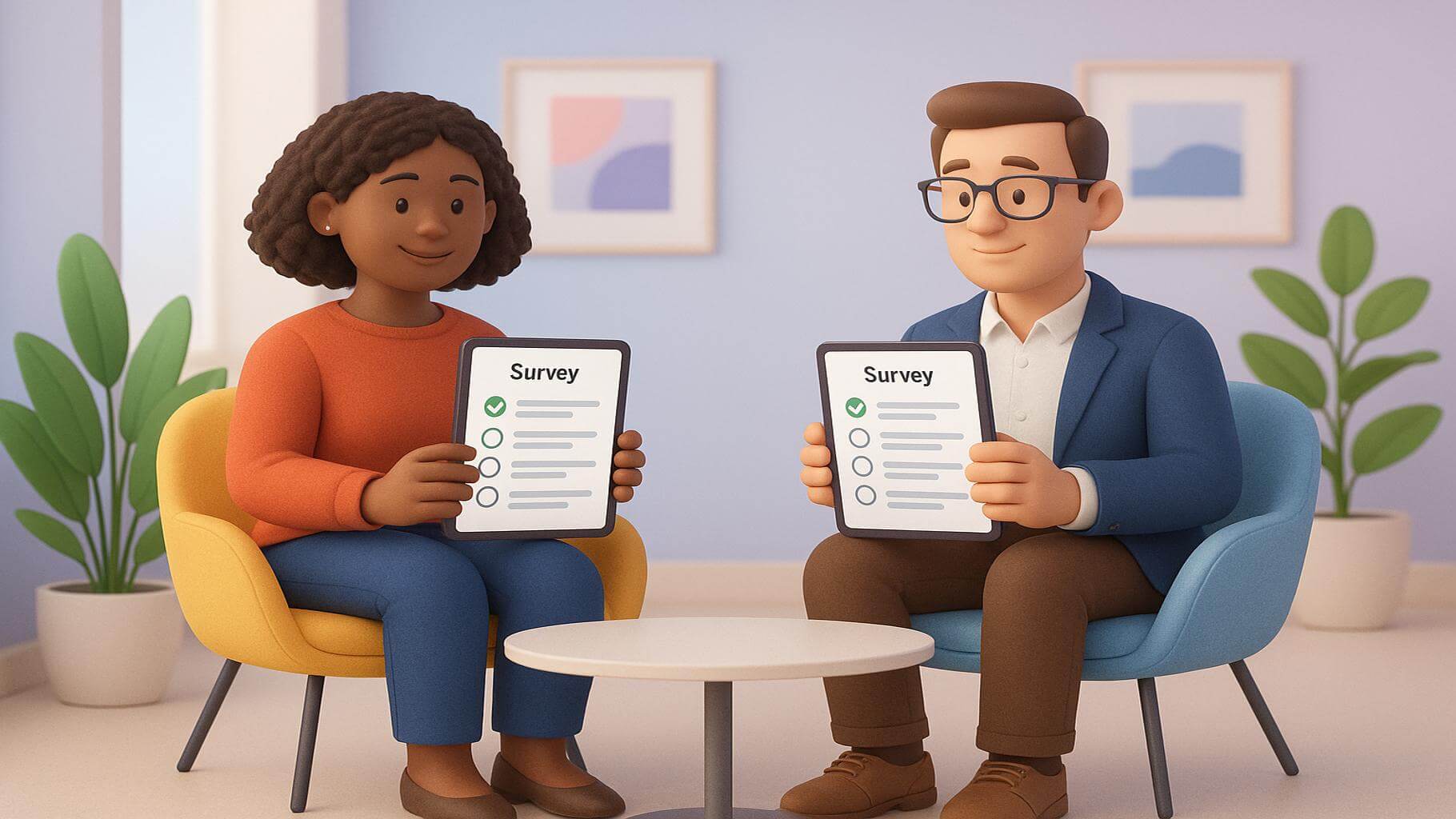
A new-hire feedback survey is a structured tool used to collect feedback from new employees about their onboarding experience. These onboarding surveys capture perspectives on orientation, initial training, manager support, and team integration during the first days and weeks. Organizations use this employee feedback to identify gaps in their onboarding process and make data-driven improvements to company processes. The goal is to transform subjective initial impressions into actionable intelligence that strengthens how new hires integrate into the company culture.
Definition and purpose of new employee feedback collection
New employee feedback collection involves systematically gathering input from recent hires about every aspect of their joining experience throughout the employee lifecycle. This employee onboarding approach captures perspectives that existing team members cannot provide, as they have adapted to the company culture. The primary purpose is to identify friction points that cause early disengagement or voluntary turnover among new employees joining your organization. Organizations committed to employee engagement use this onboarding feedback to create consistently positive experiences for every new team member.
Effective new hire onboarding survey programs serve multiple strategic purposes beyond simple employee satisfaction measurement across your workforce. They provide early warning signals when new hires struggle with unclear job expectations or inadequate training materials during onboarding. Onboarding feedback reveals whether the recruitment process accurately portrayed the role and responsibilities new employees actually encounter daily. These insights help HR professionals refine job descriptions and interview process communications for future candidates joining your team.
Core components of effective feedback surveys
Effective onboarding surveys include survey questions covering pre-boarding communication, day-one experiences, and ongoing team integration milestones throughout onboarding. The best new hire onboarding survey designs balance quantitative rating scales with open-ended questions that let new hires explain their perspectives. Question sequencing matters because early questions about positive experience encourage honest feedback on challenging topics later in the survey. Survey length should respect the respondent's time while capturing comprehensive insights across the entire employee onboarding journey.
Strong onboarding feedback surveys include questions about manager accessibility, peer relationships, and access to all necessary tools. They assess whether initial training prepared new employees to perform their job effectively within the expected timeframes set by leadership. Questions about the company's mission alignment reveal whether new hires feel immediately connected to the organization's goals and workplace values. Resource availability questions determine if new team members received adequate training and onboarding materials to succeed in their new position.
How feedback surveys differ from satisfaction surveys
Satisfaction surveys measure how happy new employees feel, while onboarding feedback surveys focus on specific improvement opportunities and actionable insights. This distinction matters because high job satisfaction scores can mask significant onboarding process problems that affect long-term retention rates. Onboarding feedback surveys ask what should change, while satisfaction surveys only ask how things feel right now. Organizations need both perspectives, but should prioritize feedback collection to drive continuous improvement in their onboarding program.
Pulse surveys capture ongoing sentiment, while onboarding feedback surveys target specific experiences during defined time periods for new hires. Employee onboarding surveys generate qualitative data that explains why certain aspects of the onboarding process succeed or fail consistently. Satisfaction surveys provide benchmarks for comparison, while hire onboarding survey questions provide roadmaps for specific changes to implement immediately. The most effective organizations use both survey approaches strategically throughout the employee experience from day one forward.
What are the benefits of new hire feedback surveys?
New hire surveys deliver measurable benefits that justify the investment in designing, implementing, and analyzing onboarding surveys and comprehensive feedback programs. Organizations that consistently collect feedback from new hires report stronger retention rates and faster time-to-productivity metrics across departments. These employee onboarding surveys transform subjective onboarding experiences into objective data that guides resource-allocation and program-refinement decisions. The benefits compound over time as organizations build institutional knowledge about what makes new employees successful in their roles.
Honest insights into onboarding process gaps
New hires see your onboarding process with fresh eyes, noticing inefficiencies that long-tenured team members have normalized over time. Their onboarding feedback identifies specific gaps in training materials, unclear job expectations, and missing tools and resources for success. This perspective is irreplaceable because it captures impressions that matter before new employees adapt to existing company processes and norms. Organizations that gather feedback systematically uncover patterns they would otherwise never discover through manager observations alone at any level.
Employee onboarding surveys reveal disconnects between what the interview process promised and what new hires actually experience during onboarding. They identify whether job descriptions accurately represent the job responsibilities of the new position candidates accepted by your organization. Feedback highlights where the company's communication fails to prepare new employees for the realities of their work and expectations. These honest insights enable organizations to close identifying gaps before they cause disengagement or turnover among new hires.
Early identification of at-risk employees
Strategic hire surveys serve as early warning systems, identifying struggling employees before they decide to leave your organization. Specific response patterns in onboarding feedback indicate when new team members feel unsupported or entirely disconnected from their teams. Low scores on manager relationship questions often predict voluntary turnover within the first year of employment at your company. Organizations can intervene with additional support when employee onboarding surveys reveal concerning trends in individual survey responses from new hires.
Implementing onboarding surveys at multiple touchpoints creates visibility into how new employee sentiment evolves throughout onboarding. A new hire who reports a positive experience at day seven may struggle significantly by day thirty in their role. Tracking onboarding feedback across milestones reveals whether initial enthusiasm sustains or deteriorates as realities become clearer for employees. This longitudinal view enables targeted interventions that improve job satisfaction and long-term retention outcomes for your organization.
Data-driven program refinement and optimization
Consistent feedback collection creates datasets that reveal which onboarding elements have the greatest impact on new-hire success. Organizations can test changes to their onboarding process and measure onboarding survey results by administering subsequent surveys to new hires. This approach replaces guesswork with evidence on what actually improves the new-hire experience across different roles and teams. Data-driven refinement ensures that limited resources flow toward improvements that generate measurable gains in employee productivity for the organization.
Employee engagement surveys, combined with onboarding feedback, provide a comprehensive view of the entire employee experience at your company. Correlating early feedback with later engagement scores reveals which onboarding investments consistently deliver lasting benefits for employee engagement. Organizations that review survey responses systematically build increasingly effective onboarding programs over time through continuous improvement efforts. This continuous improvement cycle transforms feedback collection from an administrative burden into a strategic competitive advantage for your organization.
Why new hire orientation feedback surveys are important
New hire orientation survey questions capture perspectives on the formal introduction programs that shape first impressions of your organization. These focused onboarding surveys assess whether orientation content, delivery methods, and cultural introductions fully prepare new employees for success. Orientation represents a concentrated period during which organizations receive maximum attention from engaged new hires eager to learn. Gathering onboarding feedback on this experience ensures orientation programs evolve to meet changing workforce expectations over time.
Impact on first impressions and engagement
Impressions matter significantly because they shape how new hires interpret every subsequent experience throughout their tenure with your company. A confusing orientation creates doubt about organizational competence that persists long after new employees master their roles and responsibilities. Conversely, exceptional orientation experiences build confidence and enthusiasm, accelerating team integration and development for new hires. Hire orientation survey questions specifically measure these formative experiences while memories remain fresh and detailed for accurate feedback.
Strong first impressions during the onboarding experience establish psychological foundations that influence employee engagement for months or years afterward. New employees who feel welcomed and prepared during orientation demonstrate higher discretionary effort in their early assignments and projects. They ask more questions, seek feedback proactively, and integrate with new team members more quickly than peers who have had poor experiences. These behavioral differences compound into significant performance variations that trace back to the quality of orientation during the onboarding process.
Connection between feedback quality and retention
The quality of onboarding feedback organizations collect directly influences their ability to improve retention among new hires joining your company. Vague survey questions generate vague responses that provide no actionable guidance for program improvements or changes to onboarding. Specific, well-designed hire-onboarding survey questions generate insights that enable targeted, quick interventions for struggling new employees. Organizations that invest in question quality receive proportionally better intelligence about what drives new employee success during onboarding.
High-quality onboarding feedback reveals the specific moments when new employees feel supported versus abandoned during their transition period. This granular understanding enables surgical improvements to the onboarding process rather than expensive, comprehensive overhauls that disrupt everything. Feedback quality also affects response rates, as new hires engage more fully with thoughtfully designed employee onboarding surveys. Better onboarding survey questions encourage honest feedback that accurately reflects new hires' onboarding experience, without bias.
ROI of acting on new employee insights
Organizations that systematically act on new hire feedback generate measurable returns through reduced turnover and faster employee productivity gains. Each improvement based on onboarding surveys prevents future new employees from experiencing the same friction points during their onboarding. The cumulative effect creates increasingly smooth employee onboarding experiences that compound retention benefits over time for your organization. Calculating this ROI requires tracking which feedback-driven changes correlate with improved retention metrics across the workforce.
Employee recognition combined with feedback collection creates powerful reinforcement loops that improve company culture across departments. When organizations celebrate employees who provide valuable feedback, participation rates increase in subsequent onboarding surveys and feedback collection efforts. Acting on suggestions demonstrates that leadership values new employee perspectives and is always committed to continuous improvement. This responsiveness builds trust, encouraging increasingly honest feedback in subsequent onboarding feedback surveys from all new hires.
10+ essential new hire feedback survey questions for first week

The first week represents a critical window when new hires form lasting impressions about organizational effectiveness and cultural alignment. Survey questions during this period should focus on pre-boarding preparation, day-one experiences, and the quality of initial orientation. These early onboarding survey questions establish baseline perspectives before new employees normalize any frustrations or gaps in the onboarding process. First-week feedback captures honest reactions, while experiences remain vivid and emotionally resonant, enabling accurate employee feedback collection.
10+ first week survey questions:
- How would you rate the clarity of pre-boarding communications you received before your start date?
- Did you have access to all the necessary tools and resources on your first day?
- How effectively did your manager welcome you and explain initial expectations?
- Were your role and responsibilities clearly communicated during your first week?
- How would you rate the quality of your workspace setup and your access to technology?
- Did team members make you feel welcomed and included during your first days?
- How manageable was the pace of information delivery during your first week?
- Were your questions answered promptly and thoroughly by colleagues and leadership?
- How well did your first-week experience match what was described during the interview process?
- What one thing would have made your first week experience better?
- Did you receive adequate guidance on company policies and procedures?
- How confident do you feel about performing your core job responsibilities?
Pre-boarding communication and preparation feedback
Pre-boarding survey questions assess whether new hires received adequate information and preparation materials before their official start date arrived. Ask whether the company's communication clearly explained what to expect on day one and what preparation was needed for success. Inquire about technology access, workspace readiness, and completion of administrative paperwork before you arrive at your organization for onboarding. These onboarding survey questions reveal whether your organization creates positive anticipation or anxious uncertainty for new team members joining.
Key areas to assess in pre-boarding feedback include:
- Clarity of offer letter details and start date logistics
- Timeliness of equipment delivery and system access setup
- Quality of welcome materials and employee handbook distribution
- Accuracy of information about parking, dress code, and first-day expectations
- Effectiveness of communication from HR and the hiring manager
Day-one welcome experience assessment
Day-one questions capture whether new employees felt genuinely welcomed and valued from their very first moments at your organization. Ask about the quality of their welcome, including whether someone greeted them and guided them through their initial experience appropriately. Inquire about workspace readiness, technology functionality, and access to all the necessary tools for their job effectively. These survey questions assess whether organizations deliver on the promises they make to candidates before hiring.
Important day-one assessment topics include:
- Quality of the greeting and initial introductions to team members
- Workspace readiness, including desk setup and technology functionality
- Clarity of the first-day schedule and expectations communication
- Accessibility of the manager for questions and initial conversations
- Overall feeling of being welcomed versus overwhelmed or ignored
Initial orientation and training feedback
Orientation survey questions assess whether formal training sessions prepared new employees for their actual job responsibilities. Ask about the relevance, clarity, and engagement quality of orientation presentations and training materials provided during employee onboarding. Inquire whether the initial training adequately covered the essential company processes, systems, and expectations for the new position to ensure success. These onboarding survey questions assess whether training investments actually translate into new-hire capability and confidence.
Employee pulse surveys can supplement orientation feedback by providing ongoing check-ins throughout the first week of onboarding. Ask new hires whether the orientation content matched what they needed to know for their specific role and job responsibilities. Inquire about whether training sessions allowed sufficient time for questions and clarification on unclear topics during orientation. Request suggestions for information that should have been included but was missing from initial training programs for new hires.
10+ critical new hire orientation feedback survey questions
Orientation-specific onboarding survey questions provide detailed feedback on the formal programs that introduce new employees to your organization. These hire orientation survey questions focus on content quality, delivery effectiveness, and cultural connection building during onboarding sessions. Organizations should collect this onboarding feedback within days of orientation completion, while details remain fresh for new employees. This timing ensures feedback reflects actual experiences rather than reconstructed memories from weeks or months ago.
10+ orientation feedback questions:
- How relevant was the orientation content to your specific role and responsibilities?
- Did the orientation presenters communicate information clearly and engagingly?
- How well did orientation explain the company culture and workplace values?
- Were you given adequate opportunities to ask questions during orientation sessions?
- How would you rate the pace of information delivery during orientation?
- Did orientation help you understand how your role contributes to the company's mission?
- Were the orientation materials well-organized and easy to follow?
- How effective were the interactive elements and group activities during orientation?
- Did you feel connected to fellow new hires in your orientation cohort?
- What topics should have received more time or attention during orientation?
- How confident do you feel about company policies after completing orientation?
- Would you recommend any changes to improve the orientation experience?
Orientation, content relevance, and clarity
Content questions assess whether onboarding materials covered the topics new hires needed to understand immediately in their roles. Ask whether the information presented felt relevant to their specific role or seemed generic and disconnected from their work. Inquire about content organization and whether the sequence of topics followed logical progression for learners during orientation sessions. These onboarding survey questions reveal whether onboarding materials serve organizational convenience or the actual needs of new employees during the onboarding process.
Key content areas to evaluate include:
- Relevance of topics to specific job responsibilities and daily work
- Logical sequencing and organization of information presented
- Appropriate depth of coverage for different subject areas
- Balance between company-wide information and role-specific content
- Quality and usefulness of handouts and reference materials
Presentation delivery and engagement quality
Delivery questions evaluate whether presenters communicated effectively and maintained the new hire's attention throughout onboarding orientation sessions. Ask about the presenter's knowledge, enthusiasm, and ability to answer survey questions about company culture and company processes accurately. Inquire whether presentation formats support learning through variety, interaction, and practical application opportunities for new hires during training. These onboarding survey questions identify whether strong content fails due to poor delivery execution in orientation programs.
Important delivery factors to assess include:
- Presenter expertise and ability to answer questions thoroughly
- Energy level and enthusiasm for the material being presented
- Use of varied formats, including discussions and hands-on activities
- Opportunities for new hires to participate actively in sessions
- Pace of delivery and allowance for processing complex information
Company culture introduction effectiveness
Culture questions reveal whether your organization's orientation successfully conveys its values, norms, and behavioral expectations to new employees. Ask new hires whether they understand which behaviors the organization celebrates and which it completely does not tolerate. Inquire whether the company culture they experienced matched what orientation promised they would find at your organization daily. These onboarding survey questions identify gaps between stated values and actual workplace practices that confuse new employees during onboarding.
Culture introduction topics to explore include:
- Clarity of company values and how they translate to daily behaviors
- Authenticity of cultural descriptions compared to experience
- Connection opportunities with colleagues across different departments
- Understanding of unwritten norms and workplace expectations
- Alignment between stated mission and observable priorities
Employee engagement surveys later in the onboarding experience can assess whether cultural impressions formed during orientation prove accurate. Ask whether new hires feel they understand the company's mission and how their work contributes to organizational success today. Inquire whether they met enough people during orientation to feel immediately connected to the broader company culture. Request onboarding feedback on whether cultural expectations felt authentic or performative during formal introduction sessions with leadership.
10+ important new hire survey questions for milestone feedback

Milestone onboarding surveys capture how new hire perspectives evolve as they gain insight and context within your organization. These onboarding survey questions assess team integration progress, skill development, and emerging commitment levels at thirty, sixty, and ninety days. Each milestone reveals different insights as new employees learn more about their roles over time during onboarding. Tracking onboarding feedback across milestones shows whether initial enthusiasm sustains or concerns deepen for new hires.
10+ milestone survey questions:
- How well have you integrated with your team members over the past month?
- Do you feel included in team communications and decision-making processes?
- How would you rate your manager's support and guidance during onboarding?
- Are you receiving adequate feedback on your work performance?
- How confident do you feel performing your core job responsibilities independently?
- What additional training or resources would help you succeed in your role?
- How satisfied are you with your decision to join this organization?
- Would you recommend this company to a friend seeking employment?
- Do you understand the opportunities for career growth within the organization?
- How well does your actual job match what was described during interviews?
- Do you feel your work contributes meaningfully to the organization's goals?
- What one change would most improve your experience as a new employee?
30-day integration progress and challenges
Thirty-day survey questions assess whether new employees have successfully integrated into their teams and established productive working relationships. Ask about their comfort level with team members and whether they feel included in relevant communications and decisions. Inquire about challenges they have encountered and what additional tools and resources would help them perform their job effectively. These onboarding survey questions reveal whether strong first impressions translate into sustained positive experiences for new hires.
Key 30-day assessment areas include:
- Quality of relationships with immediate team members and colleagues
- Clarity of team norms and communication preferences
- Accessibility of information needed to complete work tasks
- Level of manager support and availability for questions
- Progress on initial projects and assignments
60-day skill development and confidence
Sixty-day survey questions assess whether new employees feel increasingly capable and confident in their roles and responsibilities each day. Ask about their skill development progress and whether the training provided adequate preparation for actual job responsibilities. Inquire about areas where they still feel uncertain and what additional training materials would help improve their performance. These onboarding survey questions reveal whether employee onboarding translates into genuine capability building for new hires over time.
Important 60-day confidence factors include:
- Ability to perform key job responsibilities without constant guidance
- Quality and frequency of performance feedback received
- Alignment between actual work and expectations from the interview
- Identification of skill gaps requiring additional training
- Progress toward becoming fully productive in the role
90-day overall satisfaction and commitment
Ninety-day survey questions assess whether new hires have fully integrated and developed a commitment to long-term organizational membership with you. Ask about overall employee satisfaction with their decision to join and whether they would recommend the organization to others. Inquire about their clarity regarding growth opportunities and career development paths within the company for their future success. These onboarding survey questions reveal whether onboarding investments translated into engaged, committed new team members for your workforce.
Critical 90-day evaluation topics include:
- Overall satisfaction with the decision to join the organization
- Likelihood to recommend the company as an employer
- Understanding of career development opportunities available
- Sense of belonging and connection to company culture
- Commitment to long-term tenure with the organization
Employee engagement pulse surveys at ninety days can assess whether new hires demonstrate consistent engagement levels. Ask whether they feel their work contributes meaningfully to the organization's goals and the company's mission for the future. Inquire about their relationship quality with their manager and whether they receive appropriate support for their employee experience. Request overall onboarding feedback on the entire hiring and onboarding experience for hires, and suggestions for improving the onboarding program.
What should be included in a feedback survey for new hires?
Comprehensive new hire onboarding survey designs cover every significant touchpoint from pre-boarding through full integration at ninety days. The scope should include preparation, orientation, training, relationships, resources, and cultural connection topics to ensure comprehensive employee feedback. Question design matters as much as topic coverage, because poor survey questions yield unusable responses regardless of their relevance to improvement. Timing and frequency decisions determine whether onboarding surveys capture accurate perspectives or reconstructed memories from new hires.
Essential feedback categories and topics
Essential categories include pre-boarding preparation, day-one experiences, orientation effectiveness, and training quality assessment for new employees joining. The manager relationship quality deserves dedicated onboarding survey questions because this relationship disproportionately influences new-hire success during onboarding. Team integration topics assess whether new employees build connections that support collaboration and knowledge sharing with team members. Resource availability questions determine whether new hires have the tools and resources needed for their jobs during their first weeks.
Core feedback categories to include:
- Pre-boarding communication and preparation quality
- Day-one experience and welcome effectiveness
- Orientation, content relevance, and delivery quality
- Manager relationship and support availability
- Team integration and colleague relationships
- Resource and tool accessibility for job performance
- Role clarity and performance expectations
- Company culture alignment and values connection
Question types and response formats
Effective employee onboarding surveys combine multiple question types to capture both quantifiable metrics and detailed qualitative insights from respondents. Rating scales provide comparable data across respondents and time periods for trend analysis of onboarding feedback over months. Open-ended questions let new hires explain their experiences and provide specific suggestions for improvement in their own words. Multiple choice questions efficiently assess specific aspects of the onboarding experience without requiring extensive time from busy new employees.
Recommended question formats include:
- Five-point rating scales for quantifiable satisfaction metrics
- Open-ended text fields for detailed explanations and suggestions
- Multiple choice for specific categorical assessments
- Conditional questions that appear based on previous responses
- Matrix questions for efficiently rating multiple related items
Timing and frequency considerations
Survey timing significantly affects response quality because memories fade and perspectives shift as new employees quickly adapt to environments. First-week onboarding surveys capture initial impressions while experiences remain vivid and emotionally immediate, enabling accurate employee feedback collection. Thirty-day surveys assess early team integration when new hires have context but still remember onboarding details from orientation clearly. Subsequent milestone surveys track how perspectives evolve as new employees gain deeper organizational understanding over time during onboarding.
Recommended survey timing milestones:
- Day 7: Initial impressions and first-week experience
- Day 30: Early integration and relationship-building progress
- Day 60: Skill development and growing confidence assessment
- Day 90: Overall satisfaction and long-term commitment evaluation
Employee rewards programs can incentivize survey completion without biasing responses if implemented thoughtfully for your organization. Survey frequency must balance comprehensive feedback collection with respect for new employee time during demanding onboarding periods and workloads. Too many onboarding surveys create fatigue, reducing response quality and participation rates among new hires over time. Most organizations find success with surveys at day seven, day thirty, day sixty, and day ninety during the onboarding process.
Best feedback survey examples from leading organizations
Examining how successful organizations structure their onboarding feedback surveys reveals patterns and best practices worth adapting for your company. Different industries face unique onboarding challenges that shape their survey designs and the priorities for onboarding survey questions for new hires. These examples illustrate approaches rather than templates because good onboarding survey designs reflect specific organizational contexts and needs. Organizations should adapt these models to fit their unique company culture and the needs of new employees during the onboarding process.
Technology company's new hire feedback models
Technology organizations often face rapid onboarding demands that require efficient feedback collection on technical enablement and tool access. Their employee onboarding surveys typically prioritize questions about development environment setup, system access, and the quality of technical documentation for new hires. Remote work considerations feature prominently in the onboarding survey, with questions about virtual team integration and asynchronous collaboration effectiveness. These organizations frequently use automated survey delivery tied to onboarding workflow completion milestones to efficiently collect feedback.
Key technology onboarding survey focus areas include:
- Development environment setup and system access timing
- Technical documentation accuracy and usefulness
- Senior developer accessibility for questions and mentorship
- Virtual collaboration tool effectiveness for remote teams
- Code review and pair programming introduction quality
Healthcare organization orientation surveys
Healthcare organizations face strict compliance requirements that shape their onboarding surveys to focus on credentialing, safety training, and regulatory compliance. Their employee onboarding surveys assess whether orientation adequately covered mandatory training topics required for their specific roles and responsibilities. Patient interaction preparation receives significant attention in onboarding surveys for clinical new employees joining healthcare facilities and practices. These organizations often use onboarding questionnaire formats to verify compliance completion and gather onboarding experience feedback from new hires.
Essential healthcare onboarding survey topics include:
- Safety protocol training clarity and comprehensiveness
- Electronic health record system preparation quality
- Mentorship adequacy during initial patient encounters
- Compliance training relevance and practical application
- Credentialing process efficiency and communication
Remote-first company virtual onboarding feedback
Remote-first organizations design onboarding surveys specifically addressing virtual onboarding challenges that traditional models do not anticipate for success. Their employee onboarding surveys assess video call fatigue, clarity of asynchronous communication, and the effectiveness of virtual relationship building among new hires. Questions about home workspace setup support indicate whether organizations appropriately enable new remote employees during the onboarding process. These companies often collect feedback more frequently because virtual environments can mask struggles that in-person settings reveal quickly.
Critical remote onboarding survey areas include:
- Video meeting frequency and effectiveness evaluation
- Asynchronous communication channel clarity and responsiveness
- Virtual social event impact on team connection
- Home workspace setup, support, and equipment access
- Time zone accommodation for distributed team collaboration
Pulse survey software helps remote organizations collect continuous onboarding feedback without requiring synchronous check-ins with distributed new hires.
New employee feedback examples that drive improvement
Understanding what effective onboarding feedback looks like helps organizations design survey questions that elicit similarly actionable responses from new hires. These examples illustrate the difference between vague positive responses and specific insights that enable improvement to the onboarding process. Feedback that drives improvement identifies specific experiences, explains their impact, and suggests concrete changes for the organization to consider. Organizations should share these examples to help new hires understand what valuable feedback looks like during onboarding surveys.
Constructive feedback identifying process gaps
Constructive onboarding feedback identifies specific problems, explains their impact, and, ideally, suggests potential solutions or improvements for the organization. This type of feedback provides clear paths for improvement rather than general complaints about the onboarding program. The specificity enables targeted onboarding process changes that prevent new hires from experiencing the same problems during their onboarding.
Characteristics of constructive gap-identifying feedback:
- Name specific problems with clear details and context
- Explains the impact on productivity or experience
- Suggests potential solutions or alternatives
- References specific timeframes or incidents
- Connects issues to measurable outcomes
Positive feedback highlighting best practices
Positive onboarding feedback that drives improvement identifies specific practices worth preserving and potentially scaling across the organization. Organizations can use such onboarding feedback to establish expectations for all managers who are onboarding new team members to the company. Systematically capturing positive feedback reveals best practices that might otherwise go entirely unnoticed by leadership during the onboarding process.
Elements of valuable positive feedback include:
- Identifies specific behaviors or practices worth replicating
- Explains why the practice created a positive impact
- Name individuals who exemplified excellent onboarding support
- Provides enough detail to enable practice replication
- Connects positive experiences to measurable outcomes
Employee recognition and rewards programs can amplify positive feedback by recognizing individuals who create exceptional onboarding experiences for others.
Specific suggestions for program enhancements
The most actionable onboarding feedback provides specific suggestions that organizations can evaluate and potentially implement to improve their onboarding programs. Organizations can directly assess feasibility and prioritize such specific suggestions against other improvement opportunities for the onboarding process. Such detailed employee feedback transforms onboarding surveys from employee satisfaction measurement into strategic improvement tools for the organization.
Characteristics of actionable enhancement suggestions:
- Proposes specific changes with clear implementation paths
- Explains the problem that the suggestion would address
- Identifies which employee groups would benefit most
- Considers the practical feasibility of implementation
- Connects suggestions to broader onboarding goals
How to write effective new hire feedback survey questions
Question quality directly determines feedback quality, making survey design among the highest-impact activities for onboarding improvement efforts. Well-written onboarding survey questions generate specific, actionable insights, while poorly written questions produce generalities that are unusable regardless of the respondent's effort. This section covers techniques for creating survey questions that encourage honest feedback and identify opportunities for improvement for organizations. Investing time in question design yields returns across every future employee onboarding survey deployment for your organization.
Creating open-ended questions for detailed insights
Open-ended survey questions should invite specific details rather than general impressions that lack actionable content for improvement efforts. Instead of asking what new hires liked about orientation, ask which specific moment during orientation best prepared them. Frame questions to elicit stories and examples rather than abstract evaluations or summary judgments from new employees responding. The best open-ended onboarding survey questions feel like conversation starters that new employees can answer thoroughly in their feedback.
Effective open-ended question formats include:
- Sentence completion prompts like "I wish someone had told me..."
- Situation-specific requests such as "Describe a moment when you felt supported"
- Improvement-focused questions asking what they would change
- Comparison questions about expectations versus reality
- Future-oriented questions about what would help them succeed
Balancing specific and broad feedback requests
Onboarding surveys need both specific questions targeting known concern areas and broad questions discovering unexpected issues from new hires. Specific survey questions assess specific touchpoints, such as day-one technology readiness or manager accessibility during the first week of onboarding. Broad questions, such as what surprised them most about the onboarding experience, surface unanticipated insights for consideration. This balance ensures onboarding surveys capture expected feedback while remaining open to unexpected discoveries from new employees.
Strategies for balancing question types:
- Use specific questions for known problem areas or recent changes
- Include broad questions at the end after detailed topics
- Target specific questions to measurable touchpoints
- Allow broad questions for open-ended exploration
- Review broad responses to identify new specific question areas
Pulse survey questions can complement employee onboarding surveys by providing ongoing, broad feedback opportunities throughout the employee experience.
Avoiding bias and encouraging honest responses
Question wording can unintentionally bias responses toward positive or negative answers, regardless of actual experiences during onboarding programs. Avoid leading questions that suggest expected answers, like asking whether the excellent orientation met their needs for success. Use neutral language that makes positive, negative, and neutral responses feel equally acceptable to provide in employee onboarding surveys. Frame onboarding survey questions to seek the truth rather than validation of organizational hopes about the onboarding process quality.
Best practices for unbiased question design:
- Use neutral language without positive or negative assumptions
- Avoid leading phrases that suggest expected answers
- Separate recognition programs from feedback collection entirely
- Clearly communicate anonymity and confidentiality protections
- Acknowledge that constructive criticism is valuable and expected
New hire survey best practices for maximum impact
Best practices transform feedback collection from an administrative obligation into a strategic capability that drives measurable improvements for organizations. These practices address timing, communication, and follow-through that determine whether onboarding surveys generate genuine organizational learning from new hires. Implementation quality matters as much as survey design because excellent onboarding survey questions cannot overcome poor execution of onboarding programs. Following these practices maximizes both response rates and response quality from new employees throughout the onboarding process.
Optimal timing for feedback collection
Timing onboarding surveys to capture perspectives when they are most accurate and actionable requires understanding how new hires experience. Immediate post-orientation surveys should deploy within two days while specific memories remain intact for accurate feedback collection from new hires. Week-one onboarding surveys capture initial impressions before new employees begin normalizing any frustrations or gaps in the onboarding process. Milestone surveys at thirty, sixty, and ninety days track how perspectives develop as context deepens for new hires.
Best practices for survey timing include:
- Deploy orientation surveys within 48 hours of session completion
- Send first-week surveys on day six or seven for comprehensive feedback
- Schedule milestone surveys for consistent intervals at 30, 60, and 90 days
- Avoid deployment during high-stress periods or major deadlines
- Test morning versus afternoon sends to optimize response rates
Communication strategies that encourage participation
Survey invitations should clearly explain why onboarding feedback matters and how the organization will use responses to improve onboarding experiences. Personalized invitations from direct managers generate higher response rates than generic human resources communications for new employees. Set clear expectations about survey length and time requirements to reduce abandonment due to the unexpected duration of employee onboarding surveys. Thank new hires for their participation and acknowledge the value of their perspectives on the onboarding process.
Effective communication strategies include:
- Personalized invitations from direct managers rather than generic HR emails
- Clear explanation of survey purpose and how feedback will be used
- Upfront disclosure of estimated completion time
- Emphasis on confidentiality and protection of honest feedback
- Examples of previous feedback that led to specific improvements
Acting on feedback and closing the loop
Collecting onboarding feedback without visible action undermines credibility and discourages new hires from participating in employee onboarding surveys. Develop processes for reviewing responses, identifying priorities, and implementing changes based on onboarding feedback from new employees joining. Share improvements made based on onboarding feedback through company communications to demonstrate that input matters to leadership consistently. Closing the loop transforms feedback collection from extraction into a conversation with new employees about improving the onboarding process.
Essential follow-through actions include:
- Regular review cycles with assigned ownership for feedback analysis
- Prioritization framework for deciding which improvements to implement
- Communication of changes made based on specific feedback received
- Tracking systems for measuring the impact of implemented improvements
- Recognition for individuals who provide particularly valuable feedback
Kudos employee recognition can celebrate individuals who provide particularly valuable feedback that drives improvements within your organization. Create accountability for acting on onboarding feedback by assigning owners to improvement initiatives with clear deadlines for completion. Track which changes were implemented and measure their impact on subsequent onboarding survey results from new hires joining later. This systematic approach builds a continuous improvement culture around new hire feedback throughout the organization and employee experience.
Common mistakes in new hire feedback survey design

Understanding common mistakes helps organizations avoid pitfalls that undermine the effectiveness of feedback collection in employee onboarding surveys for new hires. These mistakes range from question design errors to implementation problems that degrade the quality of responses from new employees. Learning from others' mistakes accelerates the development of effective feedback programs without repeating preventable errors during survey design. This section addresses the most frequent and damaging mistakes organizations make with onboarding surveys and employee feedback collection.
Questions that are too vague or leading
Vague survey questions, such as asking whether orientation was helpful, yield vague answers that offer no actionable guidance for improvement. Leading onboarding survey questions, like asking how much new hires loved their manager, suggest expected answers that bias responses. Both mistakes waste respondent time and organizational resources by generating unusable data from employee onboarding surveys without value. For new hires to feel comfortable providing constructive criticism, questions should be both unbiased and detailed enough to yield useful insights.
Common question design mistakes to avoid:
- Vague questions that generate immeasurable responses
- Leading questions that suggest desired answers
- Double-barreled questions combining multiple topics
- Questions using jargon unfamiliar to new employees
- Overly complex questions that confuse respondents
Collecting feedback without taking action
Organizations that collect feedback but fail to act on it promptly develop reputations that deter future participation by new hires. New employees talk to each other and learn when onboarding surveys are ignored, reducing their willingness to invest effort in feedback. This creates a vicious cycle in which reduced participation yields less useful data, justifying continued inaction on identified improvements. Breaking this cycle requires visible commitment to acting on onboarding feedback regardless of how inconvenient changes may be.
Signs of feedback collection without action:
- No documented process for reviewing and prioritizing responses
- No communication about changes made based on feedback received
- Same issues appearing repeatedly in surveys over time
- Declining response rates across successive survey deployments
- New hires report that they heard surveys are ignored
Employee engagement survey tools can help organizations systematically track feedback and manage improvement initiatives based on onboarding feedback. Establish clear processes for reviewing responses and prioritizing actions. Communicate what changes you've made based on new employee feedback. When you cannot implement a suggestion, explain why. This demonstrates respect for feedback providers and their time investment. Visible responsiveness builds trust, encouraging honest feedback in future onboarding surveys from all new hires joining later.
Survey fatigue from too many touchpoints
Overwhelming new hires with excessive onboarding surveys reduces response quality and completion rates across all feedback collection efforts undertaken. Each additional survey competes for limited attention during an already demanding onboarding period for new employees joining your organization. Organizations should consolidate feedback requests rather than allowing different departments to survey new employees independently throughout onboarding. Coordination prevents fatigue while ensuring comprehensive onboarding feedback coverage from new hires during the employee onboarding process.
Strategies to prevent survey fatigue:
- Consolidate all feedback requests into a coordinated survey schedule
- Limit total survey time to manageable durations
- Prioritize questions that generate actionable insights
- Space surveys appropriately to avoid overwhelming respondents
- Remove questions that do not drive improvement decisions
Advanced new hire survey questions examples for specific areas
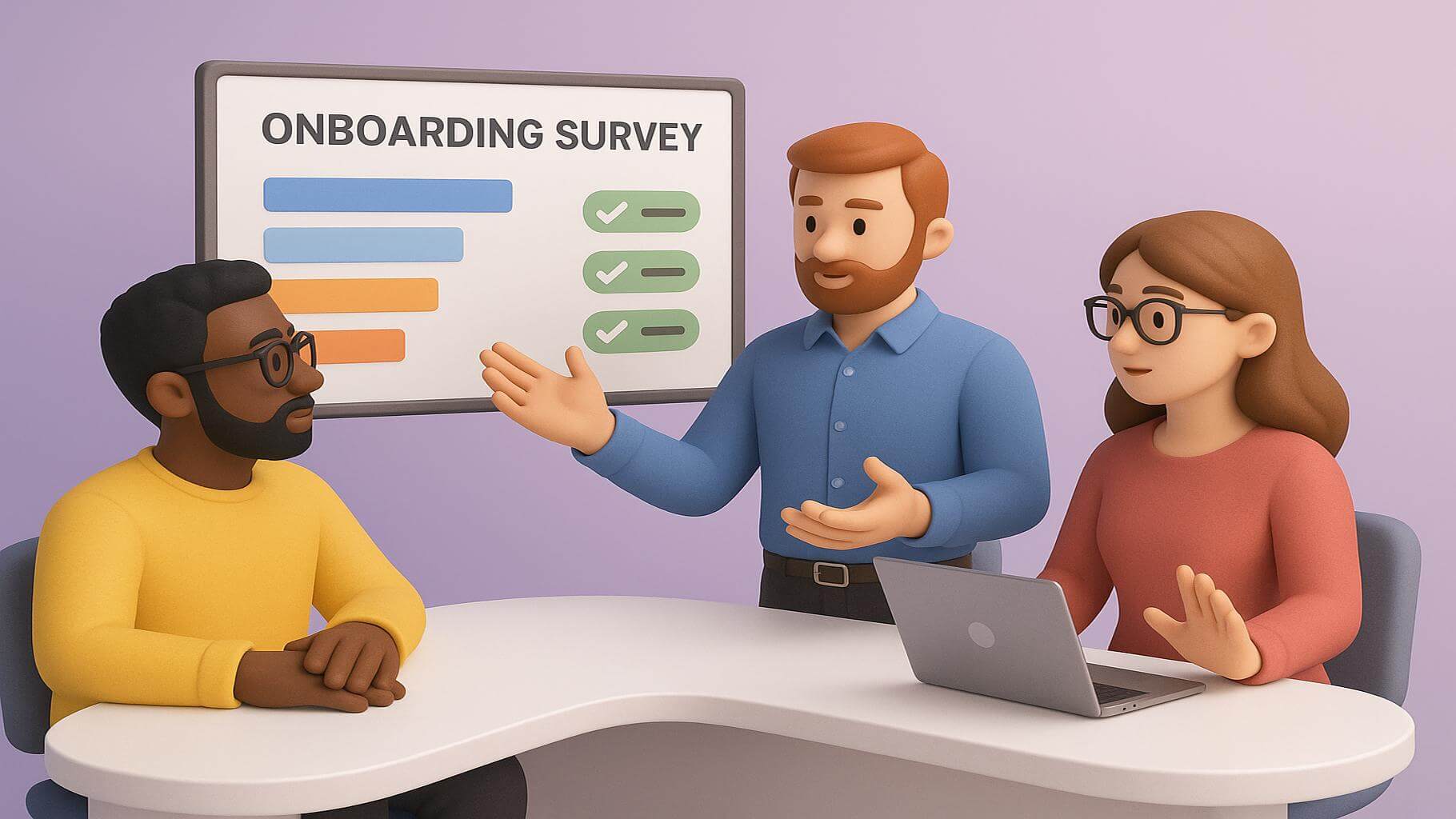
Advanced onboarding survey questions target specific relationships, experiences, and capabilities that standard surveys may miss or address superficially only. These questions provide deeper insight into particular aspects of the onboarding experience that significantly impact success for new employees. Organizations should add these onboarding survey questions selectively based on known challenges or strategic priorities to improve onboarding programs. Too many advanced questions can overwhelm onboarding surveys, so choose those most relevant to current improvement goals.
Manager relationship and support feedback
Manager questions should assess accessibility, communication quality, and developmental support during the critical onboarding period for new employees joining. Ask new hires how frequently they meet with their manager and whether that frequency feels appropriate for their needs. Inquire whether their manager provides clear expectations, constructive feedback, and adequate guidance for navigating challenges during onboarding. These onboarding survey questions assess whether managers provide the support new hires need during the onboarding process.
Key manager relationship topics to assess:
- Frequency and quality of one-on-one meetings during onboarding
- Clarity of performance expectations and success criteria
- Availability and responsiveness when questions arise
- Quality of feedback on early work assignments
- Comfort level raising concerns without fear of judgment
Team integration and collaboration feedback
Team integration questions assess whether new employees successfully build relationships that enable effective collaboration and knowledge sharing during work. Ask about their comfort level contributing ideas in team meetings and whether colleagues welcome their input on projects. Inquire whether team integration occurred naturally or required significant personal effort to accomplish during the onboarding process successfully. These onboarding survey questions reveal whether teams actively integrate new team members or expect them to figure it out on their own.
Important team integration factors to evaluate:
- Quality of relationships with immediate team members
- Inclusion in team communications and decision-making
- Access to informal knowledge and support networks
- Understanding of how individual work connects to team goals
- Comfort level contributing ideas in team discussions
Employee rewards ideas might include recognition for team members who excel at welcoming and integrating new hires. Advanced team questions might ask new hires to describe their relationship with team members compared to expectations before joining. Inquire about informal support networks and whether they know who to ask when they encounter problems during work. Ask whether they understand how their work connects with teammates' responsibilities and broader team goals during projects.
Training quality and effectiveness feedback
Training questions should assess whether learning experiences actually prepared new employees for their job responsibilities in their new position. Ask whether training content felt relevant to their actual work or seemed disconnected from daily reality during onboarding. Inquire about the effectiveness of the training format and whether the delivery methods supported their learning style preferences for development during employee onboarding. These onboarding survey questions reveal whether your training investments translate into capable, confident new team members.
Training effectiveness dimensions to assess:
- Relevance of training content to actual job responsibilities
- Effectiveness of delivery formats and learning methods
- Adequacy of time allocated for skill development
- Quality of hands-on practice opportunities
- Availability of resources for continued learning
How to analyze new hire feedback survey responses
Collecting onboarding feedback creates value only when organizations effectively analyze responses and translate insights into actionable improvements. Analysis should identify patterns, prioritize improvements, and track progress over time across multiple onboarding surveys with new hires. Both quantitative and qualitative feedback require different analytical approaches to extract the maximum value from employee onboarding surveys. Systematic analysis processes ensure that onboarding feedback drives improvements rather than filling ignored databases with unused survey data.
Identifying patterns in qualitative feedback
Qualitative feedback analysis involves reading responses carefully to identify recurring themes across multiple new hires in employee onboarding surveys. Look for similar experiences, concerns, or suggestions that appear in multiple responses from different respondents during analysis of onboarding feedback. Categorize onboarding feedback into themes that enable an aggregated understanding of common versus isolated experiences for new employees joining. Pattern identification reveals systemic issues worth addressing, rather than individual circumstances that require different responses from the organization.
Effective pattern identification techniques include:
- Creating coding systems for consistent theme categorization
- Documenting themes with illustrative example quotes
- Tracking theme frequency across time periods
- Distinguishing systemic issues from individual circumstances
- Using multiple analysts to validate pattern identification
Quantifying open-ended responses for trends
Converting qualitative responses into quantitative data enables trend tracking and comparison across time periods and new-hire segments. Count how many responses mention specific themes or concerns to understand prevalence and priority in onboarding feedback analysis. Calculate percentages to normalize comparisons across cohorts of different sizes and response rates for employee onboarding surveys conducted. This quantification enables statistical analysis that a purely qualitative review cannot provide for understanding the new-hire experience.
Methods for quantifying qualitative feedback:
- Count theme mentions to understand prevalence
- Calculate percentages for normalized comparisons
- Use sentiment analysis for tone categorization
- Apply word frequency analysis for topic identification
- Leverage automated text analysis tools for efficiency
Pulse survey tools often include text analysis features that automate theme identification in open-ended responses for efficiency.
Prioritizing improvements based on impact
Not all onboarding feedback deserves equal attention, because some issues affect more people or carry greater consequences than others. Prioritize improvements based on how many new hires mention an issue and how severely it impacts their onboarding experience. Consider implementation difficulty and resource requirements when selecting which onboarding process improvements to pursue first. Impact-based prioritization ensures that limited resources deliver the greatest improvement in the new-hire experience during employee onboarding.
Prioritization framework components include:
- Prevalence scoring based on how many mention the issue
- Severity assessment of impact on new hire experience
- Feasibility evaluation for implementation difficulty
- Stakeholder involvement in prioritization decisions
- Documentation of rationale for future learning
Using new hire surveys to predict retention risks
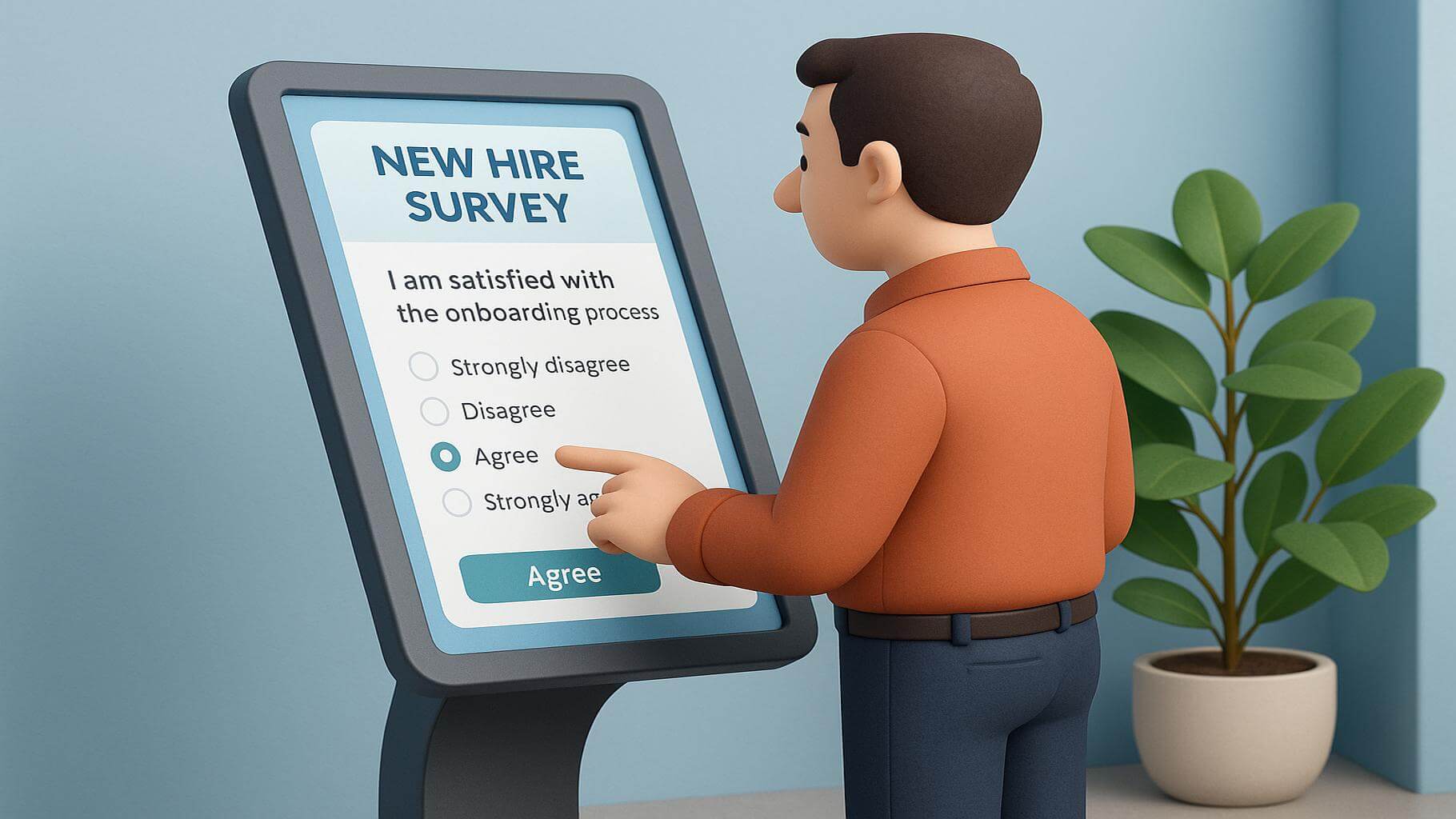
Strategic analysis of onboarding feedback responses can identify early warning signs of voluntary turnover among new hires before resignations occur. Certain response patterns correlate with higher turnover risk, enabling proactive intervention with struggling new employees during onboarding periods. This predictive capability transforms onboarding surveys from retrospective assessments into forward-looking risk-management tools for organizations that use them. Organizations that develop this capability can significantly reduce costly early-tenure turnover among new hires joining their workforce.
Warning signs in feedback responses
Specific feedback patterns indicate elevated turnover risk that warrants additional attention and potential intervention for new hires struggling. Low scores on manager relationship questions frequently predict departure within the first year of employment. Declining employee satisfaction across milestone surveys suggests deteriorating engagement that may prompt new hires to search for jobs. Comments expressing surprise or disappointment about role realities versus interview process promises signal a misalignment that requires immediate attention.
Key warning signs to monitor include:
- Low scores on manager relationship and support questions
- Declining satisfaction trends across milestone surveys
- Expressions of surprise about the role versus expectations
- Reports of feeling isolated from team communications
- Indications that the workload exceeds initial expectations
Intervention strategies based on feedback
When onboarding feedback reveals at-risk new hires, targeted interventions can address concerns before they begin seeking other opportunities. Manager conversations that acknowledge specific concerns and commit to improvements often significantly reduce turnover intentions among new employees who are struggling. Additional training, mentorship, or resource allocation can address capability gaps that undermine confidence and job satisfaction during onboarding. Demonstrating responsiveness to individual feedback builds commitment that counteracts disengagement for new hires who feel unsupported by the organization.
Effective intervention approaches include:
- Manager conversations acknowledging specific concerns raised
- Additional training or mentorship for capability gaps
- Resource allocation to address identified needs
- Escalation protocols for routing concerning feedback quickly
- Outcome tracking to refine intervention effectiveness
Peer-to-peer recognition can help isolated new hires feel more connected and valued by their colleagues during the onboarding process.
Tracking correlation between feedback and turnover
Systematic tracking of onboarding feedback scores and subsequent turnover reveals which employee onboarding survey items most accurately predict retention outcomes. This analysis requires linking individual feedback responses to employment outcomes over time periods long enough for turnover patterns. Statistical correlation analysis identifies which onboarding survey questions and response patterns most strongly predict voluntary departure among new hires. This intelligence enables focused attention on the most predictive feedback signals during the analysis of employee onboarding surveys.
Build databases that combine onboarding feedback data with turnover outcomes while maintaining appropriate privacy protections for individual respondents participating. Conduct regular analysis to identify evolving patterns as workforce expectations and organizational conditions change over time for new hires. Share predictive insights with managers to help them recognize warning signs in their direct reports during employee onboarding periods. Continuous refinement improves prediction accuracy as more data accumulates from onboarding surveys with new employees joining over time.
New hire feedback survey questions for different roles
Different roles face unique onboarding challenges, which require tailored onboarding survey questions to assess each new employee appropriately. Generic employee onboarding surveys may miss critical experience dimensions that significantly impact specific role success during the onboarding process. This section provides role-specific question guidance for individual contributors, managers, and technical specialists joining your organization through onboarding. Organizations should adapt these suggestions to their specific role requirements and organizational context for different new hires.
Individual contributor feedback questions
Individual contributor questions should assess clarity of role and responsibilities, performance expectations, and access to required tools and resources. Ask whether job descriptions accurately represent the work they actually perform in their new position during employee onboarding. Inquire about workload appropriateness and whether they received adequate training to meet performance expectations set by leadership. These onboarding survey questions reveal whether individual contributors have what they need to succeed during their onboarding experience.
Questions should assess peer relationships and whether individual contributors know who to consult when they need help during work. Inquire about the frequency of feedback and whether they understand how managers will evaluate their performance during onboarding. Ask whether career development paths and growth opportunities have been clearly explained by their manager or leadership. Such onboarding survey questions ensure individual contributors feel supported and see futures within the organization for their careers.
Management and leadership onboarding feedback
Management employee onboarding surveys should assess leadership context, team dynamics, and organizational navigation support unique to the leadership roles filled. Ask whether new managers received adequate briefing on their team members' strengths, challenges, and development needs during onboarding. Inquire about clarity regarding decision-making authority, budget responsibilities, and organizational expectations for their leadership approach going forward. These onboarding survey questions reveal whether new leaders have the context needed for effective leadership from the start.
Questions should assess whether new managers understand the organization's leadership culture and how decisions are consistently made. Inquire about access to peer managers who can provide guidance and share institutional knowledge during employee onboarding for leadership. Ask whether they received sufficient introduction to key stakeholders whose support their success requires during their new position. Such onboarding survey questions help ensure new managers integrate effectively into leadership networks during onboarding at your organization.
Technical specialist integration feedback
Technical specialist questions should assess access to technical environments, documentation quality, and the availability of expert mentorship during employee onboarding. Ask whether they could access required systems, code repositories, and development tools within expected timeframes during their onboarding. Inquire about the accuracy of documentation and whether technical resources accurately reflect current systems and practices used in daily work. These onboarding survey questions reveal whether technical employee onboarding enables productive contribution from specialized new hires joining the organization.
eNPS surveys can supplement technical onboarding feedback by measuring employee engagement across the entire employee experience for new hires. Questions should assess whether technical new hires are connected with domain experts who can answer specialized questions during their work. Inquire about the codebase or system complexity and whether employee onboarding adequately prepared them for the complexity encountered on the job. Ask whether technical standards and practices were clearly communicated and adequately documented for new employees joining technical teams.
Technology solutions for new hire feedback surveys

Technology platforms can significantly improve feedback collection efficiency, response rates, and analysis capabilities for organizations using onboarding surveys. The right tools automate administrative tasks, enable sophisticated analysis, and integrate with existing systems used during employee onboarding. This section covers key capabilities to evaluate when selecting technology solutions for new hire onboarding survey programs and feedback collection. Organizations should choose platforms that fit their specific needs and technical environments for implementing onboarding surveys effectively.
Tools that enable anonymous feedback collection
Anonymous feedback collection increases willingness to share honest feedback, especially critical perspectives that respondents might otherwise withhold during surveys. Technology platforms should offer configurable anonymity that prevents identification while enabling aggregate analysis and trend tracking of onboarding feedback. Some tools offer partial anonymity that protects individual identity while allowing demographic segmentation for analysis purposes during reviews. These capabilities encourage honest feedback while maintaining analytical usefulness to improve your organization's onboarding process.
Communicate anonymity protections clearly to respondents so they understand how their privacy is protected during onboarding feedback collection efforts. Technology should enforce anonymity settings consistently rather than relying on administrative promises that could be violated during analysis. Consider whether your organization genuinely commits to anonymity before promising protections you might later want to circumvent inappropriately. Authentic commitment to anonymity builds trust, encouraging valuable, honest feedback from new employees participating in onboarding surveys. Platforms like Matter deliver surveys directly through Slack or Teams, where new hires already work, creating a comfortable environment that encourages candid responses without requiring separate login credentials or unfamiliar interfaces.
Platforms with text analysis capabilities
Text analysis capabilities automate qualitative feedback processing that would otherwise require extensive manual effort at scale for organizations. Natural language processing efficiently identifies themes, sentiment, and topics across large volumes of open-ended responses in employee onboarding surveys. These tools reveal patterns that human reviewers might miss or inconsistently categorize when processing responses manually during feedback analysis. Technology-assisted analysis enables systematic insight generation from qualitative onboarding feedback collected from new hires.
Team rewards programs can complement feedback technology by recognizing teams that generate particularly valuable onboarding insights through surveys. Evaluate text analysis accuracy by comparing automated categorization against human judgment for representative response samples from employee onboarding surveys. Consider whether the analysis capabilities match your specific feedback types and organizational vocabulary requirements for regularly collected onboarding feedback. Matter's real-time analytics dashboard tracks sentiment trends and question-level scores as responses accumulate, giving HR teams immediate visibility into how new hires feel without waiting for manual analysis cycles. The best tools learn and improve categorization accuracy over time through continuous use, based on your feedback.
Integration with onboarding and HRIS systems
Integration capabilities determine whether feedback collection is seamlessly embedded in existing workflows or remains a disconnected activity. Platforms that integrate with human resources information systems can automatically trigger onboarding surveys at employment milestones for new hires. Onboarding system integration enables feedback collection at natural workflow touchpoints without manual intervention during employee onboarding processes. These integrations reduce administrative burden while improving timing accuracy for collecting onboarding feedback from new employees joining your organization.
Evaluate integration options for your specific technology environment and existing human resources systems used during employee onboarding programs. Consider whether platforms offer pre-built integrations or require custom development for the connections you need for onboarding survey deployment. Matter's onboarding surveys automatically trigger based on each new hire's start date. They are delivered via Slack or Microsoft Teams, eliminating manual scheduling while ensuring every employee receives the right survey at the right time. Data synchronization capabilities determine whether feedback analysis can incorporate employment data for segmentation and correlation analysis of onboarding feedback. The right integrations transform feedback collection from administrative overhead into an automated organizational capability that improves the onboarding process.
How to encourage honest feedback from new hires
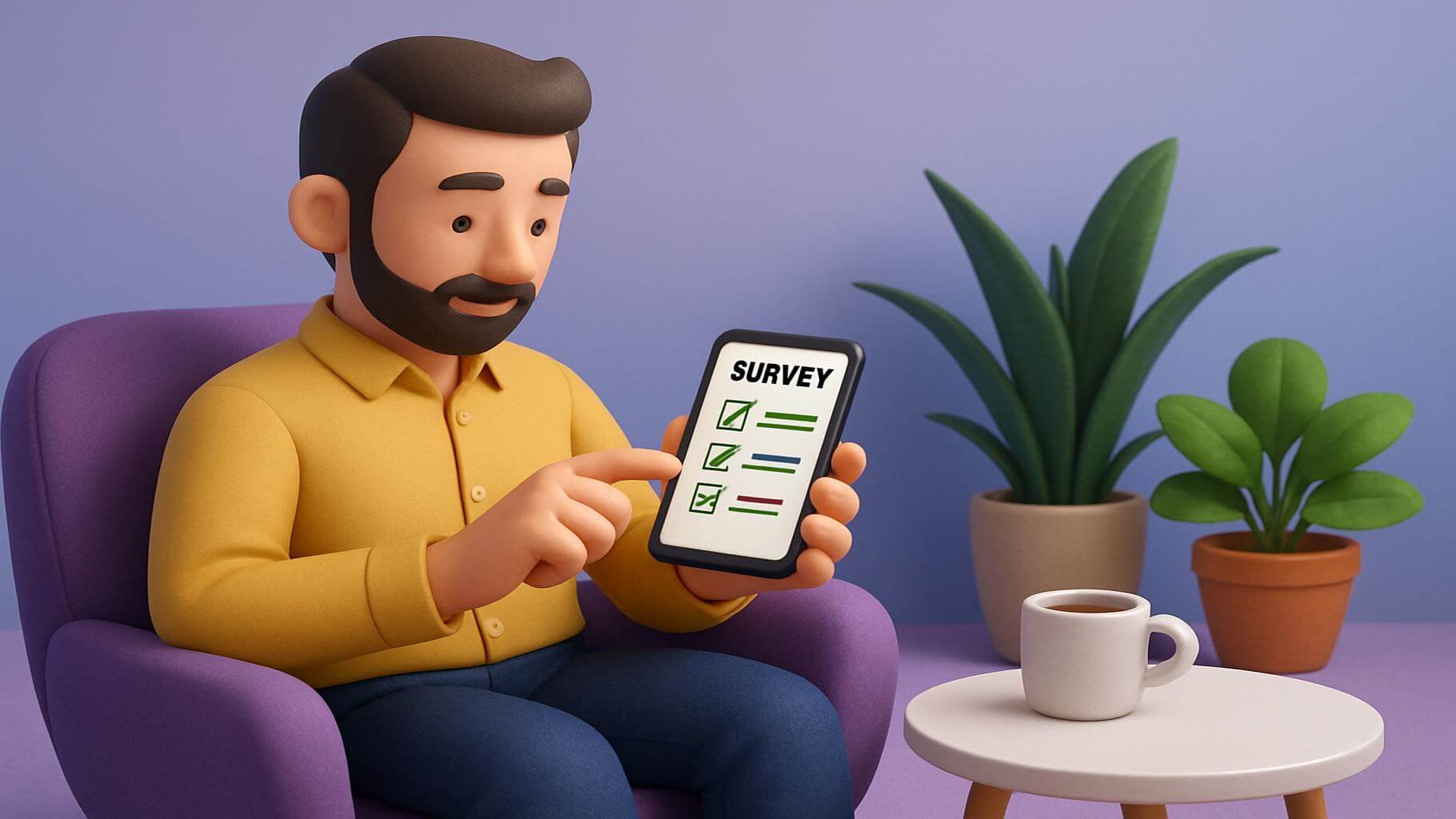
Honest feedback provides the raw material for meaningful improvement, making candor encouragement essential for effective onboarding feedback programs. New hires may hesitate to share critical perspectives due to job security concerns or a desire to appear positive during employee onboarding. This section addresses strategies for creating conditions that allow honest feedback to flow freely from new employees participating in onboarding surveys. Organizations must earn candor by demonstrating a commitment to confidentiality and by responding promptly to feedback from new hires.
Creating psychological safety for candid responses
Psychological safety enables new hires to share concerns without fearing negative consequences for their honesty in employee onboarding surveys. Leadership communication should explicitly welcome critical feedback and frame it as valuable rather than problematic for the organization. Share examples of past critical onboarding feedback that led to positive changes to demonstrate organizational receptivity to honest input. This signals that honest perspectives help the organization rather than reflect poorly on their providers during onboarding surveys.
Manager behavior significantly influences whether new hires feel safe sharing honest perspectives about their onboarding experiences during surveys. Train managers to respond constructively to concerns rather than defensively or dismissively when feedback is critical of their approach. Ensure new hires see others sharing critical perspectives without suffering negative consequences for their candor during employee onboarding. Visible safety demonstrations matter more than stated commitments to psychological safety for encouraging honest feedback from new employees.
Ensuring confidentiality and anonymity options
Clear confidentiality protections remove barriers to honest feedback from new hires concerned about consequences during onboarding surveys. Explain specifically how responses are protected, who can access them, and how individual identification is prevented during survey analysis. Offer fully anonymous options for particularly sensitive topics where any identification could suppress honesty among new employees. Technical controls should enforce confidentiality commitments rather than relying solely on policy statements for protecting survey respondents.
Employee engagement survey questions should include options for anonymous responses on sensitive topics throughout the employee experience. Some organizations use third-party platforms to increase confidence that internal personnel cannot identify respondents during onboarding survey analysis. Consider separate anonymous channels for feedback that new hires might hesitate to share, even with confidentiality protections in place. Multiple feedback channels with varying levels of anonymity capture insights that single approaches might miss from new employees joining your organization.
Demonstrating commitment to action on feedback
The most powerful encouragement for honest feedback is visible organizational action on previous input from other employees during onboarding. Share specific examples of changes implemented based on onboarding feedback to demonstrate that input generates real impact for improvement. Communicate improvements through channels that new hires monitor, ensuring they see responsiveness regardless of their participation in employee onboarding surveys. This track record builds credibility, encouraging future candid feedback from new employees joining your organization.
Acknowledge when feedback cannot be acted upon and explain reasoning to demonstrate respectful consideration even when action is infeasible. Follow up with individuals who provided specific suggestions when changes are implemented based on their input during employee onboarding. Create feedback loops that close the gap between contribution and outcome visibility for respondents participating in onboarding surveys. Persistent, visible responsiveness builds organizational reputation for valuing employee perspectives throughout the entire onboarding experience.
How Matter can help with new hire feedback surveys
Matter provides comprehensive tools that transform new hire feedback collection from an administrative burden into a strategic capability for organizations. The platform combines expertly designed survey templates with automated delivery, analysis, and integration with employee recognition programs. Organizations using Matter gather better insights with less effort while building feedback-driven improvement cultures during employee onboarding. This section explains how Matter's specific features address common challenges in onboarding for organizations implementing surveys.
Comprehensive feedback question templates
Matter offers pre-built new-hire onboarding survey templates covering day seven, thirty, sixty, and ninety milestones. These science-backed templates include onboarding survey questions designed to generate actionable insights rather than generic employee satisfaction ratings from respondents. Organizations can customize templates to address specific priorities while maintaining proven question frameworks for employee onboarding survey collection. This approach combines expert design with organizational flexibility for collecting onboarding feedback effectively throughout the employee experience.
Templates cover essential categories, including orientation effectiveness, manager support, team integration, and resource adequacy, comprehensively for new employees. Question design follows best practices to encourage honest feedback while avoiding common mistakes that undermine response quality in surveys. Organizations can deploy immediately using standard templates or invest time in customization for specific needs during employee onboarding programs. Either approach generates higher-quality onboarding feedback than most internally designed surveys achieve for collecting insights from new hires.
5-point eNPS system that encourages detailed responses
Matter uses a research-backed 5-point Likert scale for eNPS measurement, which improves response quality compared to traditional approaches elsewhere. This user-friendly scale works seamlessly in digital and mobile employee onboarding survey environments where new hires respond to feedback requests. Fully labeled response options from strongly disagree to strongly agree provide clearer guidance than numbered scales without labels. The simplified format encourages completion while maintaining measurement validity for collecting onboarding
feedback from new employees.
Employee recognition platforms like Matter integrate feedback collection with recognition capabilities to support comprehensive culture-building during employee onboarding. The eNPS system captures employee net promoter scores that track employee engagement trends among new hires. Question-level scoring reveals which specific onboarding elements drive overall employee satisfaction or dissatisfaction among new employees during onboarding. This granular insight enables targeted improvements based on the highest-impact opportunities identified through onboarding feedback analysis.
Automated collection and sentiment analysis tools
Matter automates onboarding survey delivery based on each new hire's start date, ensuring consistent feedback collection without manual scheduling. Surveys are deployed through Slack, Teams, or email based on organizational preferences and new hire accessibility during the employee onboarding process. Real-time analytics track response rates, sentiment trends, and question-level scores as onboarding feedback accumulates from new employees joining. This automation reduces administrative burden while improving timing accuracy for collecting employee feedback during onboarding programs.
Sentiment analysis capabilities efficiently identify patterns in open-ended responses, revealing themes across multiple new hires during analysis. Response tracking shows which new employees have completed onboarding surveys and enables targeted follow-up for non-respondents during feedback collection. Integration with Matter's recognition features enables celebrating employees who provide valuable feedback during their onboarding. The platform transforms feedback collection into a seamless organizational capability to improve the onboarding process and new-hire experience.
Frequently asked questions about new hire feedback surveys
Q: What are the most important new hire feedback survey questions?
A: Focus on questions about preparation quality, orientation effectiveness, training adequacy, manager support, team integration, resource availability, and specific improvement suggestions.
Q: How is a new hire orientation feedback survey different from general onboarding surveys?
A: Orientation feedback surveys focus specifically on the formal orientation program, including content, delivery, and culture introduction, rather than broader onboarding.
Q: When should you collect new hire feedback?
A: Collect feedback at multiple touchpoints, including after orientation, at the end of the first week, and at 30 days, 60 days, and 90 days, for evolving perspectives.
Q: What should be included in a feedback survey for new employees?
A: Include questions about every major onboarding touchpoint from pre-boarding through 90 days, balancing specific rating scales with open-ended feedback opportunities.
Q: How do you use new employee feedback examples to improve questions?
A: Review past feedback responses to identify which questions yield actionable insights rather than vague answers, then refine those questions for specificity.
Q: What are the new hire survey best practices for response rates?
A: Keep surveys brief, send them at optimal times, make it very clear how you will utilize the input, and encourage honest feedback by maintaining confidentiality.
Final thoughts about new hire feedback surveys
Well-designed new-hire feedback surveys uncover hidden friction points, identify best practices worth scaling, and build continuous-improvement cultures. Onboarding feedback reveals managers who create exceptional onboarding experiences, peers who provide outstanding support, and mentors who accelerate team integration. These insights create opportunities for recognition that reinforce behaviors, which make new hires successful during their onboarding journey. Organizations that master feedback collection gain sustainable advantages in talent acquisition and retention for all new employees.
Matter provides a complete solution with expertly crafted new hire onboarding survey templates and integrated recognition capabilities for organizations. The intuitive 5-point rating system encourages detailed responses, while automated delivery ensures consistent feedback collection from all new hires. Employee recognition software like Matter transforms new employee feedback into strategic programs delivering measurable improvements. These capabilities drive retention, employee engagement, and improvements in organizational culture from the very first day of employee onboarding.
Ready to gather better feedback from new hires with strategic survey questions? Schedule a demo with a Matter expert today and discover how our platform can help you collect honest insights, identify opportunities for improvement, and foster a culture of continuous improvement.