

Gathering meaningful feedback from managers during the onboarding process presents unique challenges for organizations today. Many companies struggle to identify which survey questions assess manager preparedness, measure handoff quality, and effectively evaluate new-hire readiness. Understanding how to create onboarding survey questions for managers transforms your feedback collection by capturing critical perspectives that new hires cannot provide. At Matter, we recognize that these onboarding surveys are important for comprehensive program assessment and continuous improvement.
The right approach to employee onboarding surveys helps organizations implement reliable feedback programs that drive meaningful change. Employees rely on their managers to set them up for success during the first few weeks of their new job. When organizations gather insights from the manager's viewpoint about the onboarding experience, they gain valuable feedback that improves employee satisfaction and long-term success. This guide provides actionable survey questions, including employee onboarding survey questions, to help HR professionals collect insights and identify areas for process optimization.
What is an onboarding survey for managers?

An onboarding survey for managers collects feedback from supervisors about their experience integrating new employees into the team. This type of onboarding survey focuses specifically on the manager's perspective rather than the new hire's experience alone. Unlike traditional employee surveys that gather feedback from new hires, manager surveys assess readiness, training effectiveness, and integration progress from a supervisory viewpoint. These onboarding survey questions reveal insights that complement the employee experience data you collect.
Defining manager onboarding surveys and their unique focus
Manager onboarding surveys capture observations made by supervisors during the implementation of the employee onboarding program. These employee onboarding surveys assess whether new hires have adequate support and resources to succeed. The onboarding process looks different from the manager's perspective than it does from the new employees' perspective. Collecting this feedback early helps organizations identify patterns and address potential concerns before they affect employee retention.
How manager surveys complement new hire feedback
While new hire onboarding survey questions capture the employee journey from the individual perspective, manager surveys reveal process gaps. Managers observe how new team members integrate with the company culture and adapt to job responsibilities daily. This dual approach to onboarding feedback helps organizations gain insight into both the effectiveness of the onboarding program and the experience of onboarding participants. HR professionals can improve the onboarding process more effectively by gathering feedback from multiple sources.
Critical manager insights that new hires cannot provide
Managers provide valuable insights into the new hire's perception of their role compared to actual job performance. They can assess whether training sessions adequately prepared new employees for their job description requirements. Supervisors also observe how well new hires integrate with existing team members during their first week and beyond. These deeper insights reveal whether the recruitment process accurately sets expectations for the onboarding experience.
What are the benefits of onboarding survey questions for managers?

Implementing onboarding feedback surveys that include manager perspectives delivers significant advantages for organizational success. These surveys help organizations measure manager effectiveness in supporting new hires during critical early periods. When managers provide onboarding feedback, companies can identify areas requiring additional resources or process improvements. The benefits extend beyond immediate feedback to influence business success through improved employee productivity and retention.
Manager's perspective on new hire readiness and preparation
Managers directly observe whether new employees arrive prepared to fulfill their job responsibilities effectively. They assess gaps between what the interview process promised and what the onboarding checklist delivered. This hire's perception evaluation from the supervisor's perspective more accurately reflects training effectiveness than self-assessment. Organizations can use this feedback to refine their employee onboarding program and continuously improve the onboarding process.
Identification of process gaps affecting manager effectiveness
Survey responses from managers highlight where the onboarding process creates unnecessary burdens or confusion. Identifying these gaps helps organizations streamline workflows and provide better onboarding materials for supervisors. When managers feel supported, they can focus on helping new hires succeed rather than navigating administrative complexity. This focus on manager effectiveness ultimately improves new hire success rates across the organization.
Early detection of integration issues and support needs
Managers often notice integration challenges before they become significant problems affecting employee satisfaction. Their observations about how the employee feels during early interactions reveal potential retention risks. Gathering this valuable feedback allows HR professionals to intervene early and provide adequate support. Early detection through engagement surveys protects your investment in recruiting and training new team members.
Why are onboarding survey questions for hiring managers important

Hiring managers play a unique role in the employee journey from candidate to contributing team member. Their involvement spans the recruitment process through the orientation process and into full integration. Onboarding surveys that capture hiring manager feedback reveal handoff quality issues between recruiting and onboarding. Understanding this connection helps organizations create more engaging onboarding experiences for all new employees.
Connection between hiring manager feedback and handoff quality
Hiring managers experience the transition from recruitment to onboarding directly and observe information gaps. They notice when the company's communication during recruiting differs from the actual onboarding program content. Survey questions focused on this transition help organizations collect valuable feedback on consistency issues. Improving handoff quality ensures new hires receive accurate expectations about their new job from start to finish.
How manager insights reveal systemic process issues
When multiple managers report similar concerns through onboarding feedback, systemic issues become visible. These survey questions help organizations identify patterns affecting multiple departments or roles simultaneously. Addressing systemic problems improves the employee experience for all new employees across the organization. This approach transforms individual feedback into opportunities for organizational alignment and process improvement.
Impact on new hire success when managers are well-supported
Managers who receive adequate support during onboarding can dedicate more time to developing new team members. When supervisors feel prepared, they create better experiences that support the organization's goals for hire success. Well-supported managers contribute to a strong company culture by modeling positive behaviors for new team members. This support structure improves employee productivity and reduces turnover during critical early employment periods.
15+ onboarding survey questions for managers about new hire readiness
Assessing new-hire readiness helps organizations understand whether their employee onboarding program effectively prepares employees. These pulse survey questions focus on observable behaviors and capabilities rather than subjective impressions alone. Managers provide unique insights into how prepared new employees appear during their first engagement with real job tasks. Collecting this feedback helps organizations refine training sessions and improve the onboarding process over time.
15 new hire readiness assessment questions:
- How would you rate this new hire's level of preparation for their role?
- Does the employee demonstrate understanding of their core job responsibilities?
- How confident does the new hire appear when performing assigned tasks?
- Are there skill gaps between expectations and actual capabilities?
- How well did prior training prepare this employee for their position?
- Does the new hire ask appropriate questions about their job description?
- How would you rate their ability to work independently at this stage?
- Is the employee progressing at the expected pace for their role?
- What additional training would benefit this new team member?
- How does their performance compare to previous hires at this stage?
- Does the employee demonstrate alignment with company values?
- How well does the new hire understand their career path opportunities?
- Are they meeting initial job performance expectations?
- What concerns do you have about their long-term success potential?
- How likely is this employee to succeed in their role?
New hire preparation and capability assessment questions
These questions focus on whether the employee onboarding program delivered adequate preparation for role requirements. Managers observe daily how well new employees apply knowledge from training sessions to real situations. Understanding preparation gaps helps organizations improve the onboarding process for future new hires. This assessment provides actionable data for refining onboarding materials and training content.
Role fit and skill match evaluation questions
Evaluating role fit helps organizations understand whether the recruitment process accurately assessed candidate capabilities. Managers can compare the employee's actual skills against the job description requirements shared during hiring. This comparison reveals gaps between the interview process presentation and the onboarding experience reality. Addressing role fit issues early protects both the employee experience and organizational productivity.
Training effectiveness from manager observation questions
Managers observe how well new employees retain and apply information from their onboarding checklist activities. These questions help organizations measure whether training sessions achieve their intended learning objectives. Collecting manager observations provides different insights than asking new hires about their own perception. This dual-perspective approach provides more comprehensive feedback to improve the employee onboarding program.
Performance expectation alignment questions
Understanding whether new hires comprehend performance expectations early prevents misunderstandings later. Managers assess alignment between communicated expectations and the employee's understanding of their responsibilities. These questions reveal gaps in the company's communication during onboarding about organizational goals. Clear expectation alignment supports employee satisfaction and contributes to new-hire success.
12+ onboarding survey questions for hiring managers about recruitment handoff

The transition from recruiting to onboarding significantly impacts the new hire's experience and manager effectiveness. These new hire onboarding survey questions focus specifically on handoff quality assessment. Hiring managers uniquely observe gaps between what candidates were told and what they experience. Collecting this feedback helps organizations create seamless transitions that support employee engagement from day one.
12 recruitment handoff assessment questions:
- How smooth was the transition from recruiting to onboarding?
- Did you receive complete information about the new hire before their start?
- Were candidate expectations accurately set during the interview process?
- How well did the job description match actual role requirements?
- Did the new hire express surprise about any job responsibilities?
- How effective was communication between recruiting and your department?
- Were there gaps in information transfer that affected onboarding?
- How would you rate the overall quality of the handoff from recruiting?
- What information would have helped you prepare better for this hire?
- Did the candidate's expectations align with the onboarding program content?
- How can we improve the transition from recruiting to onboarding?
- Were all the necessary documents and materials ready on the first day?
Recruitment to onboarding transition quality questions
These questions assess whether new employees experience consistency between recruiting promises and onboarding reality. Hiring managers notice when the first few weeks differ significantly from what candidates expected. Understanding these gaps helps organizations improve the recruitment process and set accurate expectations. Better transitions improve employee sentiment and reduce the risk of early turnover.
Information transfer completeness questions
Complete information transfer ensures managers can effectively support new team members from day one. These questions identify the information gaps that negatively affect the onboarding experience. When managers receive comprehensive candidate information, they can personalize support appropriately. This personalization contributes to faster integration and better employee satisfaction outcomes.
Expectation alignment between recruiting and onboarding questions
Misaligned expectations create frustration for both new hires and their managers during the orientation process. These questions reveal where the company's mission and values presentation differs between recruiting and onboarding. Consistent messaging throughout the employee journey builds trust and supports retention. Organizations can use this feedback to strengthen alignment across departments.
Communication effectiveness during handoff questions
Effective communication during transitions prevents information loss, which affects new-hire success. These questions assess whether all stakeholders received timely updates about new employee arrivals. Poor communication creates confusion that impacts the onboarding experience for everyone involved. Improving handoff communication supports both manager effectiveness and employee satisfaction simultaneously.
10+ onboarding survey for managers, questions about integration progress
Successful integration determines whether new employees become productive, engaged team members quickly. These employee pulse survey questions help managers assess progress in social and professional integration. Integration varies for each employee based on role, team dynamics, and company culture. Tracking integration progress helps organizations identify and address challenges before they affect retention.
10 integration progress assessment questions:
- How well is the new hire integrating with existing team members?
- Does the employee participate actively in team discussions and meetings?
- How would you rate their relationship development with colleagues?
- Is the new hire demonstrating alignment with company culture?
- How comfortable does the employee appear in social interactions?
- Are they collaborating effectively with other departments?
- How quickly is this employee building professional relationships?
- Does the new team member seek help appropriately when needed?
- How would you rate their overall integration progress to date?
- What support would help accelerate their integration?
Team acceptance and integration speed questions
These questions assess how existing team members respond to and support new employees during onboarding. Managers observe shifts in team dynamics that indicate acceptance or resistance to new hires. Fast integration correlates with better employee productivity and higher satisfaction scores. Measuring integration speed helps organizations identify teams that need additional support for welcoming new team members.
Peer relationship development assessment questions
Building peer relationships supports new employee success and contributes to the development of a strong company culture. Managers notice whether new hires actively pursue relationships or remain isolated from colleagues. These observations reveal whether the onboarding program adequately facilitates social connections. Encouraging relationship development during the first few weeks improves long-term engagement outcomes.
Cultural adaptation and fit observation questions
Cultural fit observations help organizations understand how well new employees adapt to established norms. Managers assess whether new hires demonstrate understanding of company values in their daily behaviors. Cultural adaptation affects employee satisfaction, performance, and retention over time. Collecting this onboarding feedback helps organizations refine their hiring and onboarding approaches.
Collaboration readiness and effectiveness questions
Effective collaboration requires both skills and willingness that develop during the onboarding process. Managers observe how new employees approach collaborative work with existing team members. These questions reveal whether new hires understand the organization's collaboration expectations. Strong collaboration skills contribute to business success and improve overall team performance.
12+ onboarding survey question examples for manager support assessment

Managers need adequate resources and support to successfully onboard new employees to their teams. These onboarding experience survey questions focus on what managers need rather than what they observe. When organizations support managers well, employees benefit from more effective onboarding experiences. Assessing manager support needs reveals opportunities for process improvement and resource allocation.
12 manager support assessment questions:
- Do you have clear guidance for effectively onboarding new team members?
- Are the onboarding materials provided sufficient for your needs?
- How would you rate the training you received on onboarding processes?
- Do you have adequate time to dedicate to onboarding activities?
- Are there resources you need that are currently unavailable?
- How clear is the onboarding checklist for managers in your role?
- Do you receive sufficient HR support during the onboarding process?
- What tools would help you onboard new employees more effectively?
- How manageable is the administrative burden of onboarding?
- Do you feel prepared to answer new hire questions about company policies?
- What additional training would help you support new team members?
- How satisfied are you with the manager support provided during onboarding?
Onboarding process clarity for managers' questions
Clear processes help managers execute onboarding activities consistently and confidently across the organization. These questions assess whether managers understand their responsibilities during the employee onboarding program. Process clarity reduces errors and ensures new hires receive consistent experiences regardless of department. Organizations can use this feedback to improve documentation and training for supervisors.
Manager toolkit and resource adequacy questions
Managers require specific tools and resources to effectively support new employees during their first week and beyond. These questions identify gaps in the manager toolkit that affect onboarding quality. Providing adequate resources demonstrates organizational commitment to both managers and new hires. Resource adequacy directly affects how employees feel about their onboarding experience.
Manager training and preparation questions
Well-trained managers consistently deliver better onboarding experiences that support new-hire success. These questions reveal whether manager preparation programs adequately address onboarding responsibilities. Organizations can improve training programs based on feedback about preparation gaps. Better manager preparation contributes to improved employee satisfaction and faster time-to-productivity.
Administrative burden and efficiency questions
Administrative tasks can overwhelm managers and detract from meaningful interaction with new team members. These questions help organizations identify where the administrative burden affects onboarding quality. Streamlining administrative processes frees managers to focus on developing their employees effectively. Reducing burden improves manager effectiveness and the overall onboarding experience for new hires.
10+ onboarding questions for managers about training effectiveness
Training effectiveness determines how quickly new employees become productive contributors to organizational goals. These pulse survey software questions help organizations assess training from the manager's observation perspective. Managers see training results through daily performance observations that reveal gaps and successes. This feedback helps organizations refine training content to better serve new employees and organizational needs.
10 training effectiveness assessment questions:
- How effective was the training in preparing this employee for their role?
- Can the new hire apply training content to actual work situations?
- What knowledge gaps remain after completing the onboarding training?
- How well does training content align with actual job requirements?
- Does the employee retain information presented during training sessions?
- What additional training topics should be included in the program?
- How would you rate the overall training quality for new hires?
- Are training delivery methods effective for this type of role?
- Does the new hire demonstrate competency in trained skills?
- What changes would improve training effectiveness for future employees?
Training content appropriateness evaluation questions
These questions assess whether the training content effectively matches actual job responsibilities and requirements. Managers notice when training fails to address situations new employees encounter daily. Appropriate training content accelerates competency development and improves job performance outcomes. Organizations benefit from manager feedback on the relevance and applicability of training.
Knowledge retention observation questions
Retention determines whether training investments translate into actual improvements in job performance. Managers observe how well new employees remember and apply information over time. These observations provide different insights from testing immediately after training sessions conclude. Understanding retention patterns helps organizations design more effective learning experiences for new hires.
Practical application and skill transfer questions
Skill transfer from training to actual work represents the ultimate measure of training program success. Managers observe whether new employees successfully apply the skills they have learned to real challenges. These questions reveal gaps between theoretical training content and practical work requirements. Improving skill transfer increases employee productivity and supports hire success outcomes.
Additional training needs identification questions
New employees often need training beyond what the standard onboarding program provides. Managers identify specific areas where additional development would benefit individual employees. These questions help organizations provide personalized support that improves the employee experience. Addressing additional needs demonstrates commitment to employee development and long-term success.
8+ new hire onboarding survey questions for managers about communication
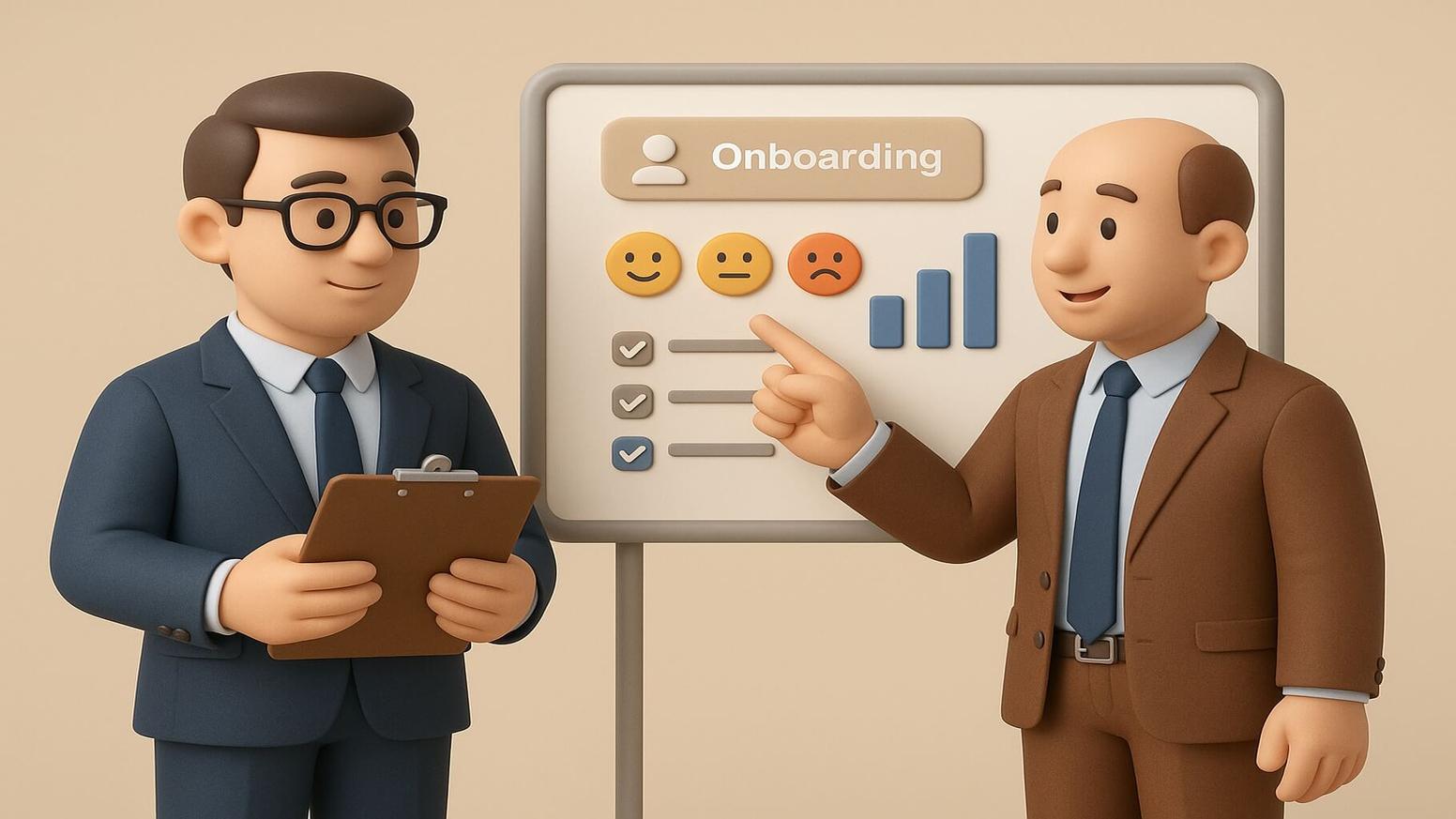
Effective communication during onboarding significantly impacts new-hire success and employee satisfaction. These new hire survey questions assess communication quality from the manager's perspective. Communication affects how new employees understand expectations, build relationships, and navigate challenges. Organizations that prioritize communication excellence create better onboarding experiences for everyone involved.
8 communication effectiveness assessment questions:
- How would you rate the frequency of communication with this new hire?
- Does the employee inquire when they require clarification?
- How effective is the new hire's communication style with the team?
- Are there communication barriers affecting their onboarding experience?
- How comfortable does the employee seem in providing feedback to you?
- Do you have adequate opportunities for meaningful conversations?
- How well does the new hire communicate about their progress?
- What would improve communication during the onboarding process?
Communication frequency and timing questions
Regular communication ensures new employees receive guidance when they need it most. These questions assess whether communication occurs frequently enough to support new-hire success. Timing matters because new employees need more support during the first week than later in their tenure. Understanding communication patterns helps managers improve their approach to supporting new team members.
Information sharing effectiveness questions
Effective information sharing prevents confusion and helps new employees navigate their new job confidently. Managers assess whether new hires receive and understand essential information during onboarding. These questions reveal gaps in the company's communication processes affecting the employee experience. Better information sharing supports faster integration and improved employee satisfaction outcomes.
Manager-new hire connection quality questions
Strong connections between managers and new employees predict better engagement and retention outcomes. These questions assess the quality of developing relationships during the onboarding process. Connection quality influences how the employee feels about their new job and the organization as a whole. Investing in relationship quality during onboarding pays dividends throughout the employee journey.
Feedback loop and dialogue assessment questions
Healthy feedback loops enable continuous improvement in both individual performance and organizational processes. These questions assess whether new hires feel comfortable sharing feedback with their managers. Open dialogue supports employee engagement and helps identify issues before they become problems. Organizations benefit when new employees actively participate in improvement discussions.
10+ employee onboarding survey questions for managers about resource needs
Adequate resources enable both managers and new employees to succeed during the onboarding process. These onboarding survey template questions identify resource gaps affecting onboarding quality. Resource availability impacts how quickly new hires become productive contributors to organizational goals. Addressing resource needs demonstrates commitment to supporting everyone involved in onboarding.
10 resource needs assessment questions:
- Did the new hire receive the necessary technology and equipment on time?
- Are onboarding materials comprehensive and up to date?
- Does the employee have access to the required systems and information?
- What resources would help this new hire succeed more quickly?
- How adequate is the documentation available for new employees?
- Are there budget constraints affecting onboarding resource availability?
- Does the new team member have access to the necessary support contacts?
- What tools are missing that would improve the onboarding experience?
- How would you rate overall resource provision for this new hire?
- What resource improvements would benefit future onboarding efforts?
Technology and equipment provision questions
Timely technology provisioning enables new employees to begin productive work quickly. Managers notice when equipment delays affect new hire productivity and satisfaction levels. These questions help organizations identify and address technology provision bottlenecks. Better technology readiness significantly improves the first-week experience for all new hires.
Documentation and information access questions
Complete documentation helps new employees find answers independently and build confidence quickly. Managers assess whether available documentation addresses the questions new team members commonly ask. Information accessibility affects how efficiently new hires navigate their early days in the organization. Improving documentation quality supports better onboarding experiences for everyone.
Support system adequacy for managers' questions
Managers need support systems to effectively guide new employees through the onboarding process successfully. These questions identify where support gaps affect a manager's ability to deliver quality onboarding. Adequate support systems reduce manager stress and simultaneously improve outcomes for new hires. Organizations benefit when they invest in supporting managers throughout the onboarding process.
Budget and resource allocation questions
Budget constraints sometimes limit the resources available for effective onboarding program delivery. These questions help organizations understand where additional investment would most significantly improve outcomes. Resource allocation decisions should reflect the importance of successful onboarding to overall business success. Understanding resource needs helps leadership make informed decisions about onboarding investments.
8+ onboarding experience questions from a manager's perspective
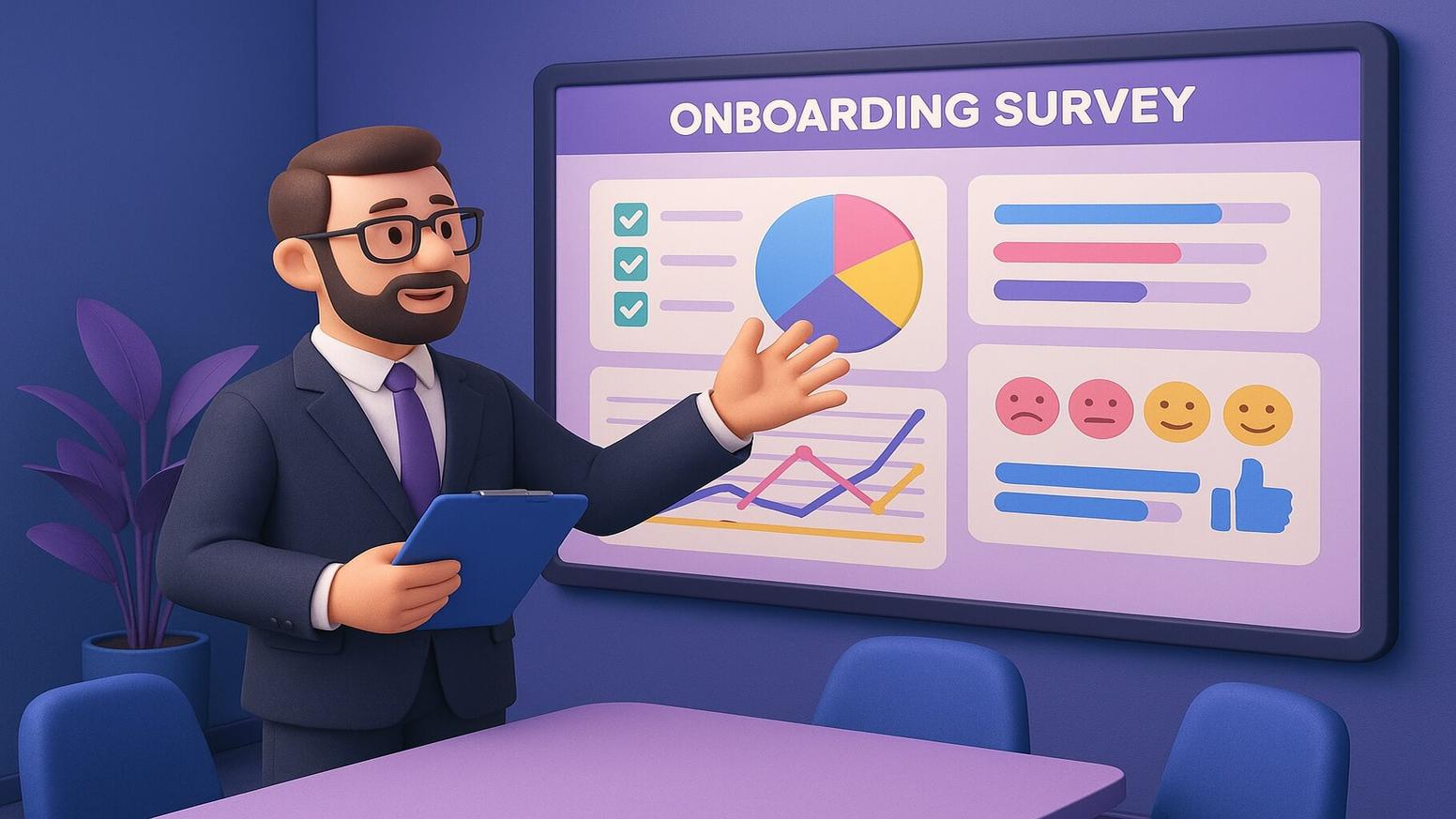
Manager satisfaction with the onboarding experience affects their engagement and the quality of their future participation. These pulse survey questions capture the manager's viewpoint on overall onboarding effectiveness. Understanding manager experience helps organizations improve processes that affect supervisor workload and satisfaction. Happy managers create better experiences for new employees during onboarding.
8 manager experience assessment questions:
- How satisfied are you with the overall onboarding process support received?
- How confident are you in this new hire's potential for success?
- How would you rate the time investment required for onboarding?
- Did onboarding activities interfere significantly with your regular responsibilities?
- How stressed did you feel during this onboarding process?
- What would make the onboarding experience better for managers?
- How would you rate the overall efficiency of onboarding activities?
- Would you recommend improvements to the current onboarding process?
Overall onboarding satisfaction from the manager's viewpoint
Manager satisfaction indicates whether the organization adequately supports supervisors during onboarding. These questions capture overall impressions that reflect accumulated experiences throughout the process. Understanding satisfaction drivers helps organizations prioritize improvements that matter most. High manager satisfaction correlates with better outcomes for the new employees they support.
Manager confidence in new hire success
Manager confidence predicts actual outcomes and reveals perceptions formed during the onboarding experience. These questions help organizations understand whether onboarding builds appropriate levels of confidence in supervisors. Low confidence may indicate process issues, training gaps, or hiring concerns requiring attention. Tracking confidence levels helps organizations identify areas for improvement and intervention.
Process efficiency and time investment questions
Onboarding requires significant manager time investment that affects their regular responsibilities and workload. These questions assess whether time requirements are reasonable and appropriately distributed. Efficient processes allow managers to focus time on meaningful interactions rather than administrative tasks. Understanding time investment helps organizations streamline activities and reduce unnecessary burden.
Stress level and workload impact questions
Onboarding can create stress for managers when processes are unclear or resources are inadequate. These questions reveal where stress concentrates during the onboarding process timeline. Reducing manager stress improves the quality of support they provide to new team members. Organizations benefit when they address stress factors that negatively affect onboarding quality.
10+ new hire experience assessment questions for managers
Managers observe the new hire's experience from a unique perspective that complements direct employee feedback. These employee engagement survey questions capture managers' perceptions of how new employees experience onboarding. Understanding the new hire's experience through manager observation provides additional insights for improvement. This dual perspective approach creates a more comprehensive understanding of onboarding effectiveness.
10 new hire experience observation questions:
- How would you rate this new hire's overall confidence level?
- Does the employee appear engaged and enthusiastic about their role?
- What concerns do you have about potential retention risks?
- How satisfied does the new hire seem with their onboarding experience?
- What indicators suggest this employee will stay long-term?
- How quickly has this new hire adapted to their responsibilities?
- Does the employee express satisfaction with their decision to join?
- What would improve this new hire's experience going forward?
- How likely is this employee to recommend working here to others?
- What early warning signs have you noticed, if any?
New hire confidence level observation questions
Confidence levels indicate how well the onboarding process prepares new employees for their responsibilities. Managers observe confidence through daily interactions and the quality of task completion. Low confidence may signal training gaps, unclear expectations, or inadequate support systems. Understanding confidence patterns helps organizations refine their approach to employee onboarding.
Engagement and enthusiasm perception questions
Engaged employees contribute more effectively and stay longer than their disengaged counterparts typically do. Managers observe engagement through participation, initiative, and attitude during daily interactions. These observations provide early indicators of potential engagement challenges requiring attention. Addressing engagement concerns early protects organizational investment in recruiting and training.
Retention risk identification questions
Early identification of retention risk allows organizations to intervene before losing valuable new team members. Managers often notice warning signs before employees formally make departure decisions. These questions encourage managers to share observations that might indicate retention concerns. Proactive retention efforts protect the investment made in recruiting and onboarding.
New hire satisfaction indicators from the manager's view questions
Manager observations about satisfaction complement direct feedback from new employees themselves effectively. These questions capture the manager's perceptions of the new hire's experience. Satisfaction indicators help organizations understand whether onboarding meets employee expectations. Combining manager observations with direct feedback creates a comprehensive understanding of satisfaction levels.
Onboarding survey examples specifically designed for managers
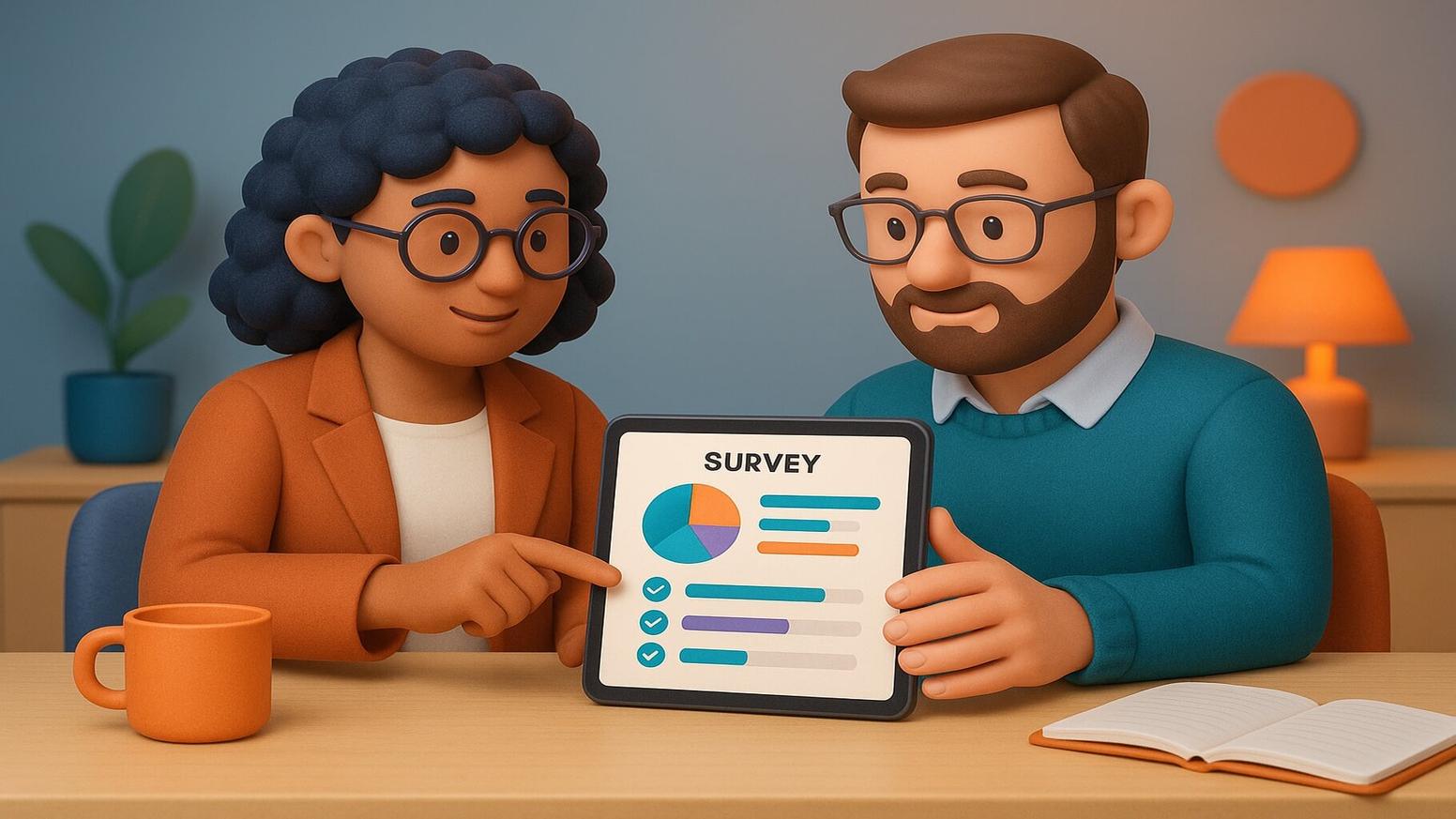
Survey timing affects the quality and relevance of feedback managers can provide about onboarding. These 30-day onboarding survey question examples demonstrate effective approaches for different stages. Different survey timing captures different aspects of the manager and new hire experience. Organizations should deploy surveys at multiple intervals to gather comprehensive onboarding feedback throughout the process.
Week one manager onboarding survey example
The first-week survey captures initial impressions and identifies immediate concerns that require attention. These questions focus on readiness, clarity, and immediate support needs during early onboarding. Week one feedback helps organizations address urgent issues before they negatively affect the employee experience. Early intervention based on this feedback improves outcomes throughout the onboarding process.
Week one manager survey questions:
- How prepared did this new hire appear on their first day?
- Did you receive adequate information to support this employee?
- How clear are the onboarding expectations for your role as manager?
- What immediate concerns do you have about this new hire?
- Did the new employee receive the necessary equipment and access?
- How would you rate the quality of the first week of the onboarding process?
- What support do you need to help this employee succeed?
- How well does the new hire understand their initial responsibilities?
- Are there any urgent issues requiring immediate attention?
- What would improve the first week experience for both of you?
30-day manager onboarding survey example
The 30-day survey assesses progress after new hires have completed initial training and begun real work. This timing captures training effectiveness, early performance indicators, and observations on integration progress. Managers have sufficient experience to provide meaningful feedback about the new employee's development trajectory. Survey responses at this stage inform decisions about additional support or training needs.
30-day manager survey questions:
- How would you rate this new hire's overall progress to date?
- Is the employee applying training content effectively to their work?
- How well is the new hire integrating with the existing team?
- What training gaps have become apparent during the first month?
- How would you rate their job performance compared to expectations?
- Does the employee demonstrate alignment with company culture?
- How satisfied are you with the support provided during onboarding?
- What concerns have emerged about this new hire's development?
- How would you rate the effectiveness of communication with this employee?
- Does the new hire show appropriate initiative in their role?
- What additional resources would benefit this employee now?
- How confident are you in their potential for success?
- What aspects of onboarding have worked well so far?
- What process improvements would help future onboarding efforts?
- How would you rate overall onboarding effectiveness to date?
90-day manager onboarding survey example
The 90-day survey provides a comprehensive assessment of onboarding success and a prediction of retention. This timing allows managers to observe sustained performance and integration over a meaningful duration. Survey responses inform both individual development plans and organizational process improvements. Organizations can identify what works well and what requires attention for future onboarding efforts.
90-day manager survey questions:
- How would you rate this employee's overall onboarding success?
- Is the new hire performing at expected levels for their tenure?
- How fully integrated is this employee with their team now?
- What would you change about this onboarding experience overall?
- How confident are you in this employee's long-term success here?
- Did the employee receive adequate training for their responsibilities?
- How would you rate their cultural fit within the organization?
- What concerns remain about this employee's development trajectory?
- How satisfied is the employee with their decision to join?
- What contributed most to onboarding success for this hire?
- What obstacles negatively affected the onboarding experience?
- How would you rate the overall efficiency of the onboarding process?
- What process improvements do you recommend?
- How well did onboarding prepare you to support this employee?
- Does this employee consistently demonstrate engagement and enthusiasm?
- What additional development opportunities would benefit this employee?
- How likely is this employee to stay with the organization?
- Would you recommend this onboarding approach for future hires?
- What resources proved most valuable during the onboarding period?
- How has this onboarding experience influenced your management approach?
100+ onboarding survey questions for managers organized by category

Organizations need comprehensive question banks to effectively address diverse onboarding assessment needs. These categorized employee engagement survey questions cover all aspects of manager-focused onboarding feedback. Having organized questions makes survey design more efficient and ensures comprehensive coverage. Select questions based on your specific organizational needs and assessment priorities.
15 New hire readiness assessment questions
- How prepared was this employee for their role on arrival?
- Does the new hire demonstrate required technical skills adequately?
- How would you rate their understanding of job responsibilities?
- Is their skill level consistent with expectations?
- How confident does this employee appear in their abilities?
- Can they complete tasks independently at appropriate stages?
- What capability gaps have you observed during onboarding?
- How well does their background match actual role requirements?
- Does the employee learn and adapt at expected rates?
- What additional preparation would have benefited this hire?
- How would you rate their overall readiness for this position?
- Are they progressing toward full competency appropriately?
- What strengths has this employee demonstrated so far?
- Where does this hire need additional development support?
- How does their readiness compare to that of previous new hires?
12 Hiring manager handoff questions
- How complete was the information transfer from recruiting?
- Were expectations set accurately during the hiring process?
- Did the job description match actual role requirements?
- How smooth was the transition from candidate to employee?
- What information gaps affected your ability to support this hire?
- Were there surprises about this employee after they started?
- How effective was recruiting communication before the start date?
- Did the candidate understand the role accurately beforehand?
- What would improve the handoff process for future hires?
- Were all the necessary documents ready for the first day?
- How aligned were recruiting promises with onboarding reality?
- How would you rate overall handoff quality for this hire?
10 Team integration questions for managers
- How quickly is this employee building team relationships?
- Does the team respond positively to the new hire?
- How well do they collaborate with existing team members?
- Is the employee participating actively in team interactions?
- How comfortable does the new hire appear in team settings?
- Are they seeking help and guidance appropriately?
- How would you rate their progress in social integration?
- Does the new hire contribute positively to team dynamics?
- What barriers are affecting their team integration?
- How could we better support team integration going forward?
12 Manager support and preparation questions
- Did you receive adequate preparation for this onboarding?
- How clear were your responsibilities during the onboarding process?
- Were the onboarding resources and materials sufficient for your needs?
- How would you rate the HR support provided during onboarding?
- Did you have enough time to dedicate to onboarding activities?
- What training would help you onboard employees more effectively?
- Are onboarding processes documented clearly enough for managers?
- What tools would improve your ability to support new hires?
- How manageable was the administrative burden during onboarding?
- Did you feel confident answering new hire questions?
- What support was missing that would have been valuable?
- How satisfied are you with the manager's support during this onboarding?
10 Training effectiveness questions from the manager's view
- How well did training prepare this employee for their role?
- Can the new hire apply training content to actual work?
- What knowledge gaps remain after formal training completion?
- How appropriate was the training content for this role?
- Does the employee retain information from training effectively?
- What additional training topics would benefit new hires?
- How would you rate the overall quality of the training program?
- Were training methods effective for this type of position?
- Does the new hire demonstrate trained skills competently?
- What training improvements would you recommend?
8 Communication quality questions for managers
- How effective is communication between you and this new hire?
- Does the employee communicate questions and concerns appropriately?
- How would you rate their overall communication skills?
- Are there communication barriers affecting the onboarding experience?
- How comfortable is the new hire in providing feedback to you?
- Do you have adequate time for meaningful conversations?
- How well does the employee communicate their progress?
- What would improve communication during onboarding?
10 Resource adequacy questions for managers
- Did this employee receive the necessary equipment on time?
- Are the onboarding materials adequate for new-hire needs?
- Does the employee have access to the required systems?
- What resources would help this new hire succeed faster?
- How complete is the documentation available for employees?
- Are there budget constraints affecting resource availability?
- Does the new team member have the necessary support contacts?
- Which tools are missing to improve the onboarding experience?
- How would you rate the overall quality of resource provision?
- What resource improvements would benefit future onboarding?
8 Process efficiency questions from the manager's perspective
- How efficient was the overall onboarding process?
- Did you observe any unnecessary delays or bottlenecks?
- How well-organized were onboarding activities and schedules?
- What process inefficiencies affected the onboarding experience?
- Did onboarding activities proceed according to planned timelines?
- How could we further streamline the onboarding process?
- Were there redundant activities that could be eliminated?
- How would you rate the overall onboarding process organization?
10 Manager confidence and satisfaction questions
- How confident are you in this new hire's long-term potential?
- How satisfied are you with the onboarding support you received?
- Would you recommend our onboarding process to other managers?
- How effectively did onboarding set this employee up for success?
- How would you rate your overall onboarding experience as a manager?
- What was most valuable about this onboarding experience?
- What was least valuable or could be eliminated?
- How confident do you feel about supporting future new hires?
- Did this onboarding meet your expectations as a manager?
- How likely are you to follow the same approach next time?
15 Improvement recommendations from managers
- What single change would improve onboarding most significantly?
- What worked particularly well during this onboarding?
- What should we stop doing in our onboarding process?
- What should we start doing that we currently do not?
- What resources would improve the manager onboarding experience?
- How could we better prepare managers for onboarding responsibilities?
- What would help new hires succeed more quickly?
- How could we improve communication during onboarding?
- What technology improvements would benefit the onboarding process?
- How should we prioritize onboarding process improvements?
- What best practices from other organizations should we adopt?
- How could we reduce the administrative burden on managers?
- What would improve the speed and quality of new-hire integration?
- How could we better measure onboarding success going forward?
- What final recommendations do you have for process improvement?
How Matter can help with onboarding survey questions for managers
Matter provides comprehensive solutions for organizations seeking to gather valuable feedback from managers during onboarding. The platform offers customizable onboarding survey templates tailored to manager perspectives and needs. Matter's Day 7, Day 30, Day 60, and Day 90 survey templates ensure you capture feedback at optimal intervals. Organizations can customize these science-backed templates to effectively address their unique onboarding assessment requirements.
Matter's automated survey scheduling eliminates manual tracking by sending surveys to each employee based on their start date. This automation ensures every new hire's manager receives surveys at the right time without administrative burden. Real-time analytics help organizations track response rates, sentiment trends, and question-level scores in real time. The software effortlessly interacts with Slack and Microsoft Teams, allowing for easy feedback collection within existing workflows.
Matter's manager-specific question banks address unique needs
Matter provides extensive question banks specifically designed to capture manager perspectives on onboarding effectiveness. These questions comprehensively address new-hire readiness, training effectiveness, integration progress, and manager support needs. Organizations can select relevant questions and customize them to match their specific organizational context. The question banks reflect best practices for gathering actionable feedback from supervisors effectively.
Automated survey scheduling for managers at key intervals
Automated scheduling ensures managers receive surveys at optimal times without requiring HR manual intervention. Start dates are monitored by Matter, and surveys are automatically distributed at the seven-day, thirty-day, sixty-day, and ninety-day milestones. This automation reduces administrative burden while ensuring comprehensive feedback collection throughout the onboarding process. Organizations never miss important feedback opportunities when surveys deploy automatically at key intervals.
Recognition integration, celebrating managers who excel at onboarding
Matter connects survey insights with recognition capabilities that acknowledge managers who deliver exceptional onboarding experiences. Organizations can recognize managers based on positive new hire feedback and successful onboarding outcomes. This integration motivates managers to invest in quality onboarding while celebrating their contributions publicly. Combining surveys with recognition creates positive reinforcement that improves onboarding quality organization-wide.
Frequently asked questions about onboarding survey questions for managers
Q: What are the best onboarding survey questions for managers?
A: The best questions assess new hire readiness, integration progress, and manager support needs effectively. Essential questions include rating new-hire preparation levels, evaluating the quality of the recruitment handoff, assessing team integration progress, and measuring training effectiveness. Questions should also assess resource adequacy, communication quality, and the manager's confidence in hiring success. Focus questions on observable behaviors and actionable insights rather than subjective impressions alone.
Q: What should hiring managers be asked in onboarding surveys?
A: Hiring managers should answer questions about recruitment to onboarding transition quality and expectation alignment specifically. Include questions about information transfer completeness, job description accuracy, and communication effectiveness between recruiting and onboarding. Ask about gaps between recruiting promises and onboarding delivery, as well as recommendations for improving transitions. These questions help organizations create seamless experiences that support employee satisfaction and hire success.
Q: When should managers complete onboarding surveys?
A: Managers should provide feedback at multiple intervals for a comprehensive assessment of onboarding effectiveness. Deploy surveys at week one for initial impressions, 30 days for training assessment, 60 days for capability development, and 90 days for comprehensive evaluation. Multiple touchpoints capture the manager's perspective as it evolves throughout the onboarding process and enable early intervention. This approach provides richer insights than single-survey approaches for improving employee experience outcomes.
Q: How do manager onboarding surveys differ from new hire surveys?
A: Manager surveys focus on observing new hire readiness, capability assessment, and process support needs from supervisory perspectives. New hire surveys capture the employee experience directly through personal perception of training, resources, and overall satisfaction. Manager surveys assess whether employees appear prepared, while new-hire surveys assess whether they feel prepared. Both viewpoints are necessary for a thorough review since they provide different insights into program efficacy.
Q: What are good onboarding survey examples for managers?
A: Effective examples include week one surveys with initial readiness questions and 30-day surveys evaluating training progress. Include 90-day surveys measuring overall success likelihood and a comprehensive effectiveness assessment with improvement recommendations. Use both rating-scale questions for trend analysis and open-ended questions for specific feedback. Manager surveys should emphasize actionable insights about process gaps, resource needs, and support improvements.
Q: Should manager onboarding surveys be anonymous?
A: Manager surveys are typically identified rather than anonymous because feedback often requires personalized follow-up actions. Managers generally feel comfortable providing honest feedback when responses inform resource decisions and process improvements. However, ensure psychological safety by emphasizing that feedback drives improvement, not performance evaluation. Create an organizational culture where managers feel safe sharing challenges and recommendations without fear of judgment or reprisal.
Final thoughts on onboarding survey questions for managers
Gathering onboarding feedback from managers captures critical perspectives that new hires cannot provide about readiness and integration. These surveys help organizations identify process gaps, support needs, and improvement opportunities that affect new hire success. Implementing comprehensive manager-focused surveys transforms onboarding from guesswork into data-driven program optimization. Organizations that prioritize manager feedback create better experiences for both supervisors and the new employees they support.
Matter provides a complete solution for gathering manager insights and continuously improving onboarding program effectiveness. The platform offers extensive manager-specific question banks, automated survey scheduling at key intervals, and customizable templates. Real-time analytics help organizations track response rates, identify trends, and measure improvement over time. Matter's recognition integration celebrates managers who excel at onboarding and deliver exceptional new hire experiences.
Organizations can combine survey insights with recognition capabilities that acknowledge supervisors providing valuable feedback. This approach transforms the manager onboarding experience from an unsupported responsibility into a well-resourced partnership for success. By listening to manager insights and providing needed support, organizations set new hires up for long-term success. Matter helps organizations build cultures of continuous improvement through the power of feedback and recognition.
Ready to gather critical manager insights that improve onboarding effectiveness? Schedule a demo with a Matter expert today and discover how our platform can help you support managers, optimize processes, and create a culture of continuous improvement.

![Onboarding Survey Questions for New Hires [2026 Guide]](https://cdn.sanity.io/images/kqqb5xry/production/728a1e966c5ca128619a571a48564a01c8ccbf65-800x600.jpg?w=720&q=75&fit=max&auto=format)
![19+ Onboarding Survey Templates for New Hires [2026 Guide]](https://cdn.sanity.io/images/kqqb5xry/production/c82d2dfdffd3c86f3c6afe3e8df9b6901b018242-800x600.jpg?w=720&q=75&fit=max&auto=format)
![49+ Employee Engagement Survey Questions [2026 Guide]](https://cdn.sanity.io/images/kqqb5xry/production/4d901490615b37aeb81f024d7f5666a52dc8aa8b-800x600.jpg?w=720&q=75&fit=max&auto=format)