

Creating meaningful employee feedback programs shouldn't feel like guesswork. At Matter, we understand the frustration when organizations invest in pulse surveys only to face low response rates, unclear data, and skeptical employees who doubt their feedback matters. Leaders want actionable insights but often lack clear guidance on which questions to ask, how frequently to survey, or what actions to take with results. Without following pulse survey best practices, well-intentioned programs become checkbox exercises that miss opportunities to address concerns before they impact retention and productivity. Following proven pulse survey best practices transforms feedback programs from data collection rituals into strategic engagement tools that build continuous feedback cultures, drive genuine workplace improvements, and create environments where every team member feels genuinely heard and valued.
What is a pulse survey?

Pulse surveys are brief, frequent check-ins designed to measure employee sentiment, engagement levels, and organizational health through targeted questions delivered at regular intervals. These tools provide organizations with real-time insights into workforce attitudes, concerns, and satisfaction levels. Unlike comprehensive annual reviews, pulse surveys focus on specific topics or themes, making them quick to complete and easy to analyze. Organizations use these short, focused surveys to continuously capture employee feedback, enabling them to stay connected to workforce needs and respond to concerns promptly.
Defining pulse surveys and their measurement framework
Organizations use pulse surveys as structured feedback mechanisms that capture employee sentiment through short questionnaires administered weekly, biweekly, or monthly. These surveys typically contain between three and fifteen questions, focusing on specific aspects like team dynamics, leadership effectiveness, or workplace culture. The measurement framework relies on consistent question formats, standardized rating scales, and regular cadences that enable organizations to track progress over time. This structured approach ensures data quality while minimizing survey fatigue among participants.
How pulse surveys differ from traditional feedback methods
Traditional employee engagement surveys are comprehensive, lengthy assessments conducted annually or quarterly, often containing dozens of questions across multiple categories. Pulse surveys prioritize speed and frequency, delivering bite-sized questionnaires that employees can complete in minutes rather than hours. Traditional methods provide deep, comprehensive insights suitable for long-term strategic planning, while pulse surveys offer nimble, actionable feedback that enables quick organizational responses. This difference in approach allows leaders to address emerging issues before they escalate into larger problems.
The strategic role of pulse surveys in organizations
Pulse surveys serve as early warning systems, alerting leaders to shifts in employee sentiment before they impact productivity or retention. They create feedback loops that demonstrate organizational responsiveness, showing team members their voices matter and their input drives real change. Organizations use these tools to measure the effectiveness of new initiatives, gauge reactions to policy changes, and maintain continuous dialogue with their workforce. This strategic application transforms pulse surveys from mere data collection tools into engines for organizational improvement and employee engagement.
What are the benefits of pulse surveys?
Understanding pulse survey benefits helps organizations appreciate why these tools have become essential components of modern talent management strategies. Regular check-ins provide visibility into employee experience while enabling proactive responses to workplace challenges. Organizations that implement effective pulse survey programs gain a competitive advantage through improved retention, higher engagement, and a stronger organizational culture. These benefits compound over time as feedback loops strengthen and employees see their voices genuinely shaping workplace improvements.
Real-time insights into employee sentiment and morale
Employee pulse surveys deliver immediate visibility into workforce attitudes, allowing organizations to capture sentiment when it's most relevant rather than waiting for annual survey cycles. This timely feedback enables leaders to understand how recent events, policy changes, or organizational decisions impact team morale and engagement. Real-time data collection creates opportunities for rapid course correction, preventing small concerns from developing into significant issues. Organizations can spot trends as they emerge and respond with targeted interventions that address specific needs before they affect productivity or retention rates.
Early detection of engagement issues and trends
Frequent measurement creates baseline data that makes it easier to identify when engagement metrics begin shifting in concerning directions. Leaders can detect patterns that signal potential problems, such as declining satisfaction in specific departments or changing attitudes toward leadership. Early detection allows for preventive action rather than reactive damage control, giving organizations time to investigate root causes and implement solutions. This proactive approach protects organizational health while demonstrating commitment to employee recognition and continuous improvement.
Building agile feedback cultures through frequent check-ins
Regular pulse surveys normalize feedback as an ongoing conversation rather than an isolated annual event, creating cultures where open communication thrives. Employees become comfortable sharing honest feedback when they see their input leads to visible changes and improvements. Frequent check-ins establish rhythm and routine, making participation feel natural rather than burdensome. This cultural shift toward continuous dialogue strengthens trust between leadership and teams while reinforcing that employee experience matters deeply to organizational success.
Understanding employee pulse survey best practices fundamentals
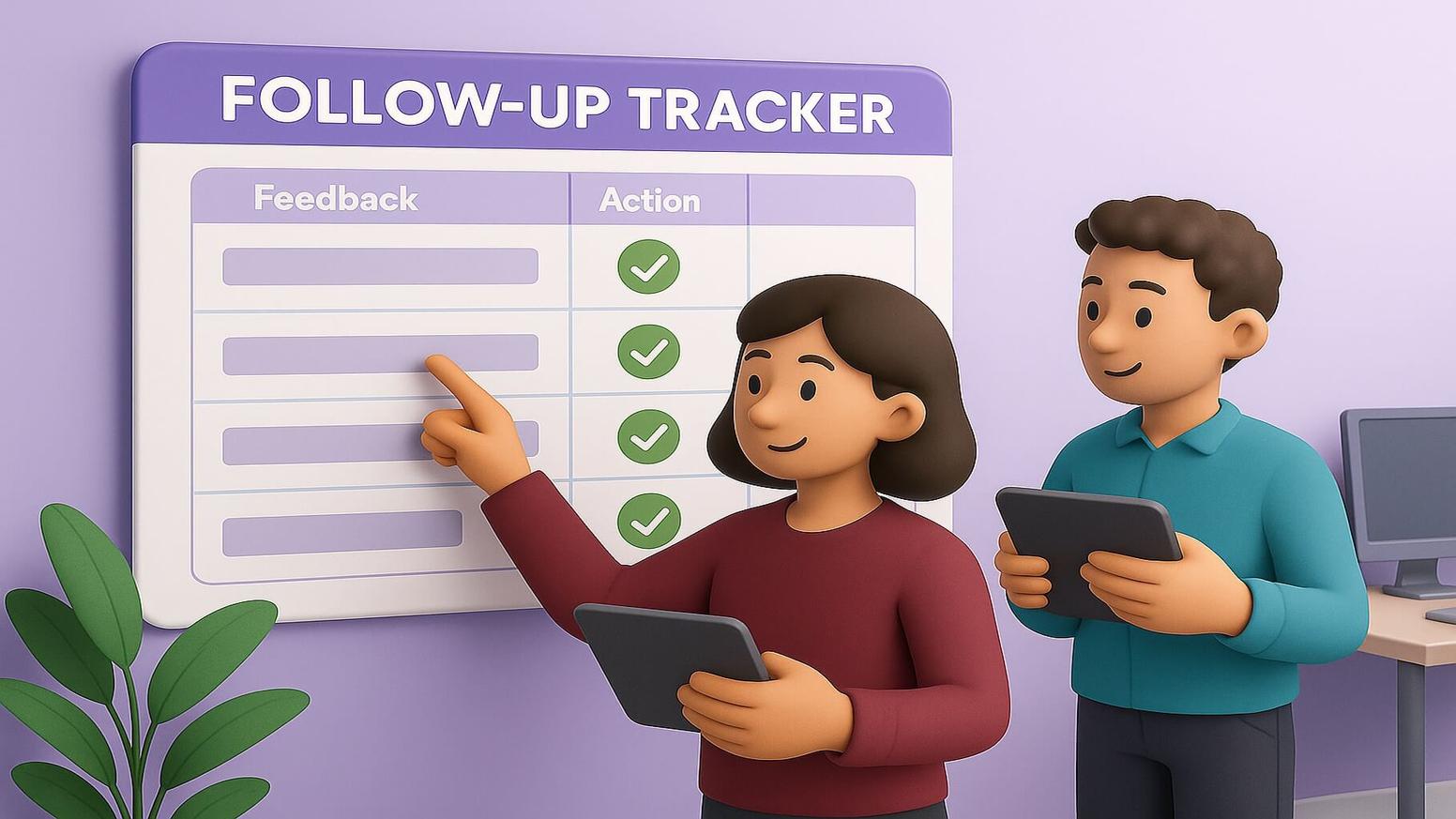
Mastering pulse survey fundamentals provides the foundation for creating feedback programs that deliver consistent value and meaningful insights. These core principles guide effective survey design, implementation, and analysis. Without understanding these fundamentals, organizations risk creating surveys that consume resources without generating proportional value or actionable direction. Strong fundamentals ensure every aspect of your pulse survey program works together to support organizational goals and employee engagement.
Core principles that drive successful pulse surveys
Successful pulse surveys rest on three fundamental principles: brevity, consistency, and action. Brevity ensures surveys remain quick to complete, respecting employee time while maintaining high participation rates. Consistency in question formats, timing, and communication builds trust and enables accurate trend analysis across multiple survey cycles. Taking action on feedback demonstrates organizational commitment, closing the feedback loop, and encouraging future participation. Organizations that follow these principles create sustainable employee engagement pulse survey programs that generate reliable insights while maintaining employee goodwill. Matter's pulse and survey data is published at Matter's research hub.
How best practices improve survey participation rates
Following established best practices dramatically increases response rates by making surveys accessible, relevant, and valuable to participants. Clear communication about the survey purpose and confidentiality alleviates concerns about providing honest feedback. Appropriate question length and frequency prevent burnout, keeping surveys feeling manageable rather than overwhelming. Demonstrating how previous feedback drove real changes motivates employees to continue participating, creating positive reinforcement cycles that can be enhanced through employee rewards for participation and engagement. Organizations that consistently apply these practices often achieve response rates exceeding standard benchmarks. Incentives move the number: across 84,000+ pulse surveys in The Recognition Habit, Matter's 2026 Benchmark Report, coin rewards roughly double completion (39.6% against 19.6%, survey-weighted), and 98% of teams attach coin rewards on custom surveys.
Connecting best practices to meaningful pulse survey results
Best practices ensure survey results translate into actionable insights rather than meaningless data points that gather dust in reports. Well-designed questions yield clear, interpretable results that point toward specific improvement opportunities rather than vague observations. Proper timing ensures feedback reflects current conditions rather than outdated circumstances, making insights more relevant and useful. Systematic analysis approaches reveal patterns and trends that might otherwise remain hidden in raw data. This connection between methodology and outcomes distinguishes surveys that drive change from those that waste organizational resources.
12 pulse survey best practices for survey design
Effective survey design separates valuable feedback tools from frustrating questionnaires that employees dread completing. These twelve pulse survey best practices ensure your design maximizes participation while generating useful insights. Well-designed surveys respect employee time, capture accurate sentiment, and yield data that clearly point toward improvement opportunities. Poor design, conversely, creates confusion, reduces participation, and produces ambiguous results that fail to guide decision-making.
4 best practices for crafting effective questions
1. Use clear, jargon-free language everyone understands: Questions should be written in plain language that resonates with all organizational levels, avoiding corporate buzzwords or technical terms that might confuse respondents. Clarity ensures everyone interprets questions consistently, producing reliable data that accurately reflects employee sentiment. Well-crafted questions eliminate ambiguity, helping respondents provide thoughtful, accurate answers rather than guess at the question's intent.
2. Focus on one topic per question: Each question should address a single concept or issue rather than combining multiple topics that require separate answers. Compound questions create confusion about how to respond when employees feel differently about each component. Single-focus questions produce cleaner data that's easier to analyze and interpret, revealing specific areas that need attention. This approach respects respondent clarity while improving data quality and actionable insights.
3. Balance closed and open-ended question formats: While rating scales provide quantifiable data suitable for tracking trends, open-ended questions capture nuanced feedback that explains the numbers behind engagement metrics. Strategic use of both formats creates a comprehensive understanding, combining statistical rigor with qualitative context. Organizations should limit open-ended questions to avoid overwhelming respondents while still creating space for detailed feedback on critical topics. This balance maintains survey brevity while capturing rich insights that inform decision-making.
4. Align questions with organizational priorities and values: Survey questions should connect directly to strategic goals, company values, and current organizational priorities rather than asking generic questions that don't drive specific actions. Alignment ensures feedback directly informs decision-making processes, making surveys more purposeful and valuable. Questions that reflect what matters most to the organization demonstrate seriousness about feedback while generating insights that support strategic objectives. This connection between questions and priorities maximizes survey relevance and impact.
4 best practices for survey length and timing
1. Keep surveys between 5-15 questions maximum: Short surveys respect employee time while maintaining focus on critical topics, preventing survey fatigue that reduces response quality and participation rates. Research shows response rates decline significantly when surveys exceed fifteen questions, particularly when administered frequently. Brevity forces organizations to prioritize their most important questions, creating sharper focus and clearer insights. This constraint improves both participation and data quality by keeping surveys manageable and engaging.
2. Plan for 3-5 minute completion times: Surveys designed for quick completion fit naturally into busy workdays, making participation feel convenient rather than burdensome. Timing estimates should account for reading, thinking, and responding to all questions, including any open-ended items. Organizations should test surveys with representative employees before launching to verify that actual completion times match estimates. Quick surveys encourage thoughtful responses rather than rushed answers driven by time pressure.
3. Select consistent timing that avoids busy periods: Pulse survey software works best when administered at predictable intervals that become part of the workplace rhythm, avoiding particularly hectic times like month-end, year-end, or major project deadlines. Consistent timing enables accurate trend analysis while establishing expectations that increase participation. Organizations should consider industry-specific cycles and patterns when scheduling surveys to maximize thoughtful participation. Strategic timing demonstrates respect for employee workload while optimizing response quality.
4. Establish regular cadences that match organizational needs: Survey frequency should align with organizational change pace and decision-making cycles rather than following arbitrary schedules. Fast-moving organizations might benefit from weekly check-ins, while more stable environments might find biweekly or monthly surveys sufficient. The right cadence balances the need for fresh insights against the risk of overwhelming employees with too many requests for feedback. Regular, predictable schedules help surveys become expected routines rather than surprise interruptions.
4 best practices for question sequencing and flow
1. Start with easier, less sensitive questions: Opening with straightforward questions about general satisfaction or workplace conditions helps respondents ease into the survey, building comfort before addressing more complex or personal topics. This progression reduces abandonment rates while encouraging honest responses throughout the survey. Easy starting questions establish momentum that carries respondents through to completion. Beginning with accessible questions also helps employees feel confident about participating rather than being intimidated by immediately complex or sensitive topics.
2. Group related questions logically: Organizing questions by theme or topic creates a natural flow that feels intuitive, reducing cognitive load and improving response quality. Logical grouping helps respondents stay focused on one area at a time rather than jumping between unrelated topics that might cause confusion. This structure makes surveys feel more professional and well-planned, encouraging thoughtful participation. Thematic organization also makes it easier for respondents to provide consistent, coherent feedback on related aspects of their experience.
3. Place demographic questions at the end: Asking for demographic information after substantive questions prevents respondents from feeling categorized before sharing their perspectives, reducing potential bias in responses. End placement also means that even if respondents abandon surveys before completing demographic sections, organizations still capture their substantive feedback. This positioning respects respondent comfort while maximizing data collection. Employees feel more willing to share demographic information after they've already provided their perspectives on substantive workplace topics.
4. End with forward-looking or positive questions: Concluding surveys on constructive notes leaves respondents with positive impressions, increasing the likelihood of future participation while gathering forward-focused insights. Questions about hopes, suggestions, or opportunities frame feedback as collaborative problem-solving rather than mere complaint sessions. This approach reinforces that feedback drives improvement while maintaining respondent engagement and goodwill, especially when combined with employee recognition and rewards for participation. Positive endings create lasting impressions that carry forward to subsequent survey cycles, building cumulative participation momentum.
15 employee pulse survey best practices for deployment
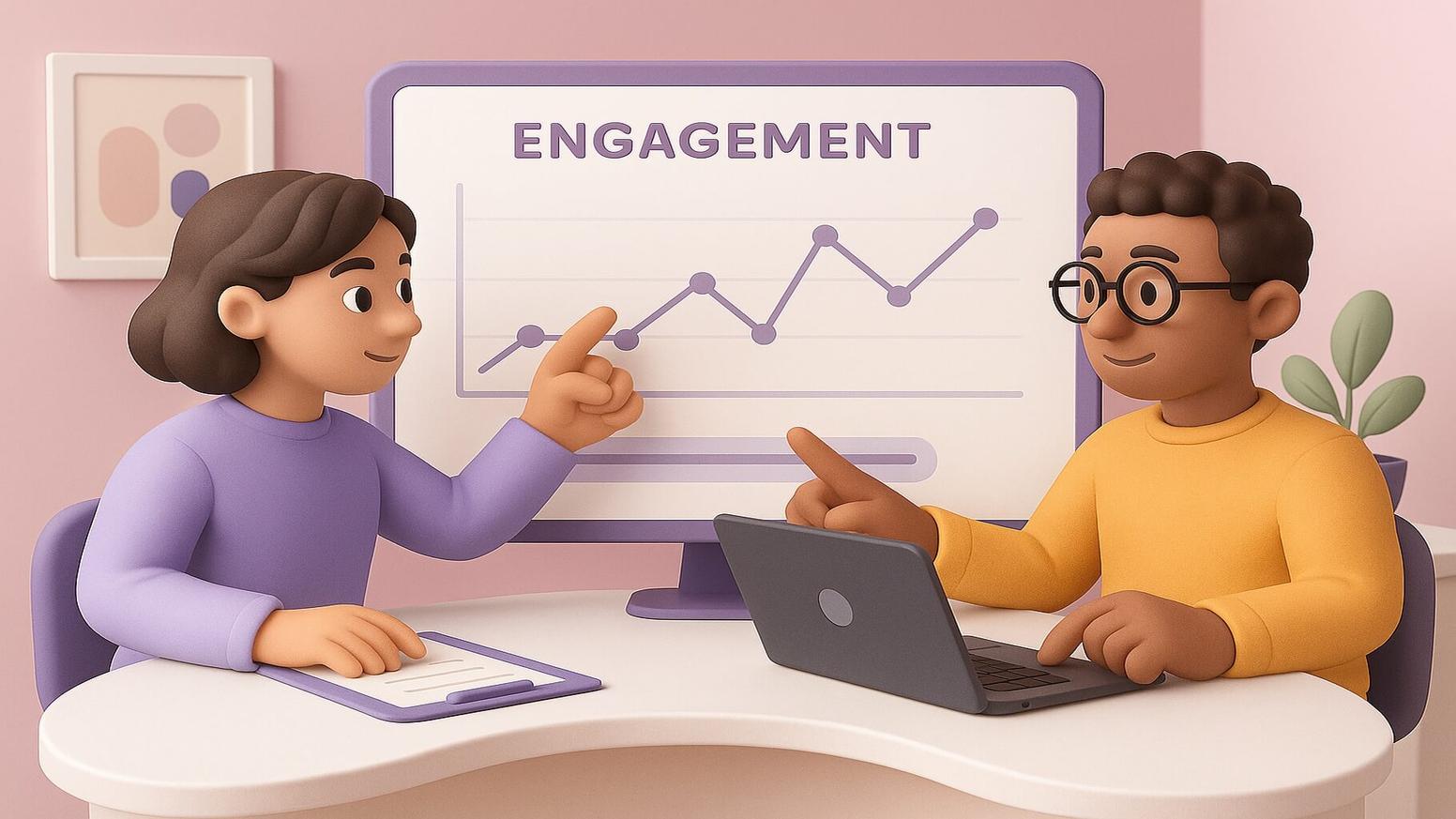
Successful deployment transforms well-designed surveys into effective feedback mechanisms that generate high participation and quality responses. These fifteen practices guide effective survey launch and administration. Even perfectly designed surveys fail without proper deployment strategies that encourage participation and create positive survey experiences. Strategic deployment ensures surveys reach employees at the right time, through the right channels, with messaging that motivates thoughtful engagement.
5 best practices for communication and launch
1. Announce surveys with clear purpose and expectations: Launch communications should explain why the survey matters, how feedback will be used, and what employees can expect regarding confidentiality and follow-up. Transparency builds trust while setting appropriate expectations that increase participation. Clear purpose statements help employees understand the value of their participation, motivating thoughtful responses. This upfront clarity prevents confusion and demonstrates the organization's respect for employees' time and input.
2. Explain how previous feedback drove changes: Sharing concrete examples of how past survey results led to specific improvements demonstrates that pulse survey questions translate into real action rather than disappearing into organizational black holes. This track record motivates participation by proving that feedback matters and by creating accountability for acting on results. Organizations should highlight both major changes and smaller improvements that resulted from employee input. Demonstrating responsiveness encourages ongoing honest feedback while reinforcing that employee voices drive organizational decisions.
3. Address confidentiality and anonymity clearly: Employees need explicit assurance that their responses remain confidential and that individual answers cannot be traced back to specific respondents, particularly when surveys address sensitive topics. Clear confidentiality policies reduce fear of retaliation while encouraging honest feedback that reflects true sentiments. Organizations should explain the technical safeguards protecting respondents' identities, including minimum group sizes for reporting results. Transparency about anonymity measures builds trust, encouraging authentic responses rather than politically safe answers.
4. Use multiple communication channels for awareness: Announcements should reach employees through various touchpoints like email, team meetings, Slack channels, and workplace portals to ensure everyone receives information regardless of their primary communication preferences. Multi-channel approaches reinforce messages while accommodating different work styles and locations. Repeated exposure through varied channels increases awareness and participation without feeling excessive. This comprehensive approach ensures no one misses survey opportunities due to communication gaps.
5. Provide context about organizational priorities: Explaining how survey topics connect to current strategic initiatives, challenges, or opportunities helps employees understand why specific questions matter now. Context creates meaning that motivates thoughtful responses while demonstrating organizational transparency about current priorities. Organizations should briefly outline how survey results will inform specific decisions or initiatives, making participation feel purposeful. Connecting surveys to broader organizational narratives increases perceived relevance and engagement.
5 best practices for maximizing response rates
1. Send reminders without overwhelming employees: Strategic reminder sequences increase participation without creating annoyance, typically including an initial announcement, a midpoint reminder, and a final call to action before surveys close. Reminders should acknowledge those who have already participated to avoid frustrating respondents who completed surveys promptly. Timing between reminders should allow adequate response time without letting surveys fade from awareness. This balanced approach optimizes participation while respecting employee preferences and time constraints.
2. Enable mobile-friendly survey access: Modern pulse survey platforms must work seamlessly across all devices since many employees access surveys via smartphones or tablets rather than desktop computers. Mobile optimization ensures surveys display properly, with readable text, appropriately sized buttons, and smooth navigation on smaller screens. Organizations should test surveys on multiple devices before launching to identify and fix usability issues. Mobile accessibility dramatically expands participation by meeting employees where they work rather than requiring specific devices or locations.
3. Keep surveys open for optimal windows: Survey windows should balance the need for timely results against allowing adequate time for thoughtful participation, typically remaining open for three to seven days, depending on organizational size and complexity. Shorter windows create urgency while longer periods accommodate varied schedules and time zones. Organizations should avoid keeping surveys open so long that urgency dissipates and participation drops. Optimal windows maintain momentum while providing reasonable access for all employees.
4. Integrate surveys into natural workflows: Embedding surveys within platforms employees already use daily, like Slack or Microsoft Teams, reduces friction and increases convenience compared to requiring separate logins or applications. Workflow integration makes participation feel effortless, removing barriers that might discourage busy employees from responding. Natural integration with existing tools increases visibility while reducing the perceived burden of participation. This seamless approach treats surveys as natural components of workplace communication rather than disruptive additions.
5. Recognize and appreciate participation publicly: Thanking employees for their time and input demonstrates respect while encouraging future participation, though recognition should avoid identifying individual respondents or compromising anonymity. Public appreciation messages reinforce that feedback matters and that organizations value employee engagement in improvement processes. Recognition can include aggregate participation rates, general themes from responses, or commitments to action without revealing specific details. Organizations can enhance participation through kudos and employee recognition programs that celebrate survey engagement alongside other positive behaviors. This gratitude creates positive associations with surveys while building participation momentum.
5 best practices for scheduling and frequency
1. Establish predictable survey cadences: Regular, consistent timing helps surveys become expected routines rather than surprise interruptions, improving participation by building familiarity and reducing survey-related stress. Predictability allows employees to anticipate surveys and prepare thoughtful responses rather than feeling caught off guard. Organizations should clearly communicate their survey schedule, treating it as a standing commitment to continuous feedback. This consistency demonstrates the organization's seriousness about feedback while respecting employees' time through predictable patterns.
2. Avoid survey fatigue through appropriate spacing: Too-frequent surveys overwhelm employees, leading to declining response rates, reduced response quality, and growing resentment toward feedback requests. Organizations must find the balance between staying current with sentiment and respecting limited attention spans. Survey fatigue often manifests as rushed responses, declining participation, or even hostile feedback about excessive surveying. Appropriate spacing maintains engagement while preventing burnout that undermines the entire feedback program.
3. Coordinate with other organizational surveys: Multiple concurrent survey initiatives from different departments create confusion and survey fatigue, reducing participation in all programs. Centralized survey calendars help organizations coordinate timing, ensuring adequate gaps between different feedback requests. This coordination demonstrates organizational consideration for employee time while maximizing response quality across all initiatives. Strategic planning prevents overlap that might force employees to choose between competing survey requests.
4. Adjust frequency based on organizational change pace: Organizations experiencing rapid change, growth, or restructuring might benefit from more frequent check-ins, while stable periods might require less frequent measurement. Flexibility in cadence enables pulse surveys to meet organizational needs without rigid schedules that don't reflect reality. Leaders should evaluate whether the current frequency provides adequate insights without overwhelming employees. Responsive adjustment demonstrates organizational agility while maintaining focus on genuine feedback needs.
5. Balance pulse surveys with comprehensive annual assessments: While pulse surveys provide regular check-ins, comprehensive engagement surveys remain valuable for deep dives into organizational health and long-term strategic planning. Organizations should integrate both approaches, using pulse surveys for ongoing monitoring and annual surveys for comprehensive assessment. This balanced approach prevents pulse surveys from becoming overly burdensome while ensuring thorough coverage of all important topics. Complementary survey strategies maximize insights while effectively managing employee feedback bandwidth.
Employee pulse survey tool best practices for technology

Selecting and implementing the right technology determines whether pulse surveys become seamless feedback mechanisms or frustrating administrative burdens. These practices guide effective tool selection and deployment. Technology choices impact every aspect of survey success, from participation rates to data quality to administrative efficiency. The right platform amplifies best practices while poor technology choices undermine even well-designed survey programs.
Selecting tools that support best practice implementation
Organizations should evaluate employee engagement survey tools based on their ability to support proven methodologies rather than focusing solely on features or price points. The right platform makes it easy to create brief, focused surveys that follow best practices in question design without requiring technical expertise. Look for solutions that provide templates based on research and industry standards, reducing the burden of creating surveys from scratch. Tools should enable rapid deployment and modification, allowing organizations to respond quickly to changing needs. Effective platforms balance sophisticated capabilities with user-friendly interfaces that don't require extensive training to operate.
Integration best practices for workplace platforms
Pulse survey platforms should connect seamlessly with existing workplace tools like Slack, Microsoft Teams, email systems, and HRIS platforms rather than requiring separate logins or isolated access. Native integrations reduce friction by delivering surveys where employees already work, dramatically increasing participation rates while reducing administrative overhead. Organizations should prioritize tools that support single sign-on, automatic user provisioning, and bidirectional data flows with other systems. Integration quality matters as much as feature sets since disconnected tools create barriers that undermine adoption. Seamless technology ecosystems make surveys feel like natural workplace components rather than external impositions.
Automation best practices that reduce administrative burden
Smart automation transforms pulse surveys from time-intensive manual processes into efficient, sustainable programs that run smoothly with minimal intervention. Automated survey scheduling, distribution, and reminder sequences free administrators from repetitive tasks while ensuring consistent execution. Look for platforms that automatically segment audiences, personalize communications, and trigger follow-up actions based on survey responses. Automation should extend to data analysis and reporting, with dashboards that update in real time as responses arrive, and can integrate with employee rewards programs to recognize participation and engagement. These capabilities allow small teams to run sophisticated feedback programs that would otherwise require dedicated staff, making continuous feedback accessible to organizations of all sizes.
Pulse survey best practices for analyzing results
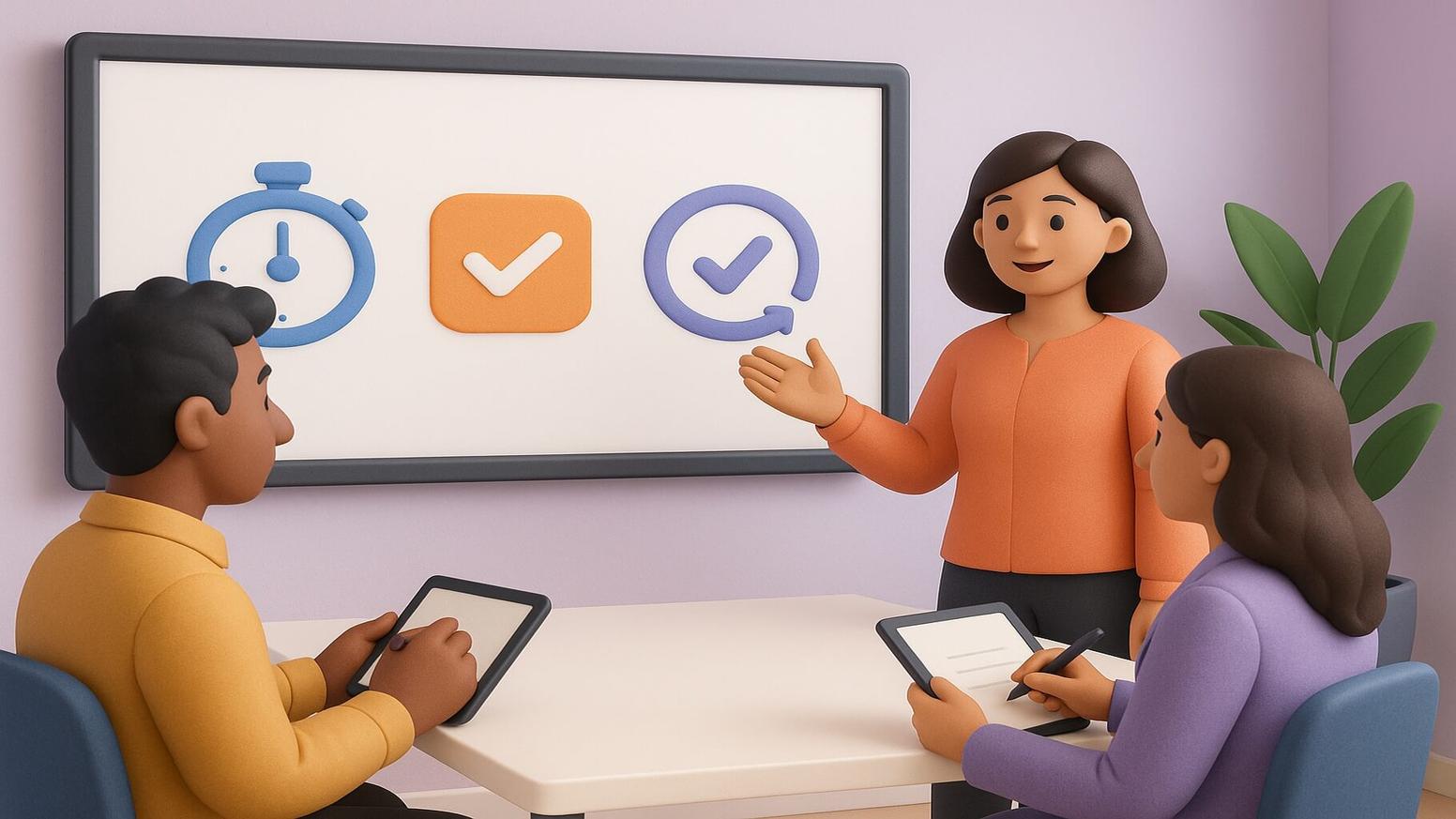
Converting raw survey data into actionable insights requires systematic analysis approaches that reveal meaningful patterns and opportunities. These practices guide effective interpretation and application of survey results. Without proper analysis, even high-quality survey data remains just numbers that fail to inform decision-making or drive organizational improvements. Strong analysis transforms data into stories that explain employee experience and point toward specific actions that will make meaningful differences.
Interpreting data to uncover meaningful insights
Effective analysis moves beyond surface-level numbers to understand the stories data tells about employee experience and organizational health. Look for patterns across demographic groups, departments, or time periods that reveal where problems concentrate or improvements occur. Compare quantitative ratings with qualitative comments to understand the "why" behind numeric scores, adding context that pure statistics cannot provide. Organizations using advanced pulse survey tools can leverage built-in analytics features to identify trends more efficiently. Avoid jumping to conclusions based on a single data point; instead, seek convergent evidence across multiple questions or survey cycles. Strong analysis identifies not just what employees think but also what specific actions might address their concerns or build on their positive experiences.
Benchmarking pulse survey results effectively
Benchmarking provides context for understanding whether your organization's results represent areas of strength or opportunities for improvement compared to relevant standards. External benchmarks compare your results to industry averages, similar organizations, or best-in-class performers, helping you understand your relative position. Internal benchmarks track progress over time, showing whether initiatives are moving key metrics in desired directions. Effective benchmarking considers organizational context and constraints rather than treating all comparisons as equally valid. The goal is to gain perspective that informs priorities rather than generating meaningless rankings.
Identifying actionable patterns in feedback data
The most valuable analysis reveals specific, addressable issues rather than vague observations that don't suggest clear next steps. Look for concentrations of negative feedback in particular areas that suggest targeted interventions might yield significant improvements. Identify positive outliers—departments or teams with exceptional results—and investigate what practices drive their success for potential replication. Track how various factors correlate with key outcomes, such as engagement or satisfaction, to understand which levers most powerfully influence the employee experience, and consider integrating these findings with employee recognition platforms to reinforce positive behaviors. Actionable patterns point to specific changes likely to improve future survey results and organizational health.
Pulse survey examples demonstrating best practices

Examining specific examples helps organizations understand how pulse survey best practices apply to real-world scenarios and different measurement objectives. These examples showcase effective survey design and implementation. Practical examples make abstract best practices concrete, showing how principles translate into actual surveys that organizations can adapt to their specific contexts. Learning from diverse examples accelerates implementation while helping organizations avoid common pitfalls that undermine survey effectiveness.
Weekly pulse check examples following best practices
A technology company implements brief weekly check-ins every Monday morning with three to five questions focused on current workload, team collaboration, and immediate concerns. Questions use simple rating scales supplemented by optional comment boxes that allow employees to elaborate on particularly high or low ratings. The consistent timing creates a rhythm that employees anticipate, while the brevity ensures high completion rates despite frequent deployments. Results are reviewed by team leaders each week, with concerning patterns triggering immediate conversations rather than waiting for formal review cycles, and positive trends celebrated through team rewards and recognition. This approach provides continuous visibility into team health while demonstrating responsiveness that builds trust and encourages honest feedback.
Onboarding survey examples with proven frameworks
Organizations deploy targeted surveys at specific onboarding milestones, such as the first week, first month, and 90-day mark, focusing on new-hire experiences, training effectiveness, and cultural integration. Early surveys ask about first impressions and immediate needs, while later surveys explore deeper questions about role clarity, manager relationships, and long-term fit. Questions progress from simple satisfaction ratings to more complex assessments as new employees gain organizational context. This staged approach recognizes that relevant questions change as onboarding progresses, ensuring feedback remains timely and useful. Organizations use insights to refine onboarding processes and identify new hires who may need additional support.
Leadership effectiveness surveys using best practices
Quarterly surveys assess manager effectiveness through focused questions about communication, support, development opportunities, and trust using carefully worded items that yield constructive feedback. Questions balance specific behaviors like providing clear direction with broader assessments of overall management quality, creating comprehensive pictures of leadership impact. Results aggregate to protect individual manager anonymity while still providing actionable insights at team levels. Organizations combine quantitative ratings with qualitative comments that explain what specific behaviors contribute to high or low scores, and often include eNPS questions to measure overall employee advocacy. This comprehensive approach generates insights that inform both individual development plans and broader leadership training initiatives.
Pulse survey vs engagement survey best practices comparison

Understanding when to apply different survey approaches helps organizations build comprehensive feedback strategies that leverage each method's unique strengths. This comparison clarifies distinct best practices for each survey type. Many organizations struggle with confusion about when to use pulse surveys versus comprehensive engagement surveys, leading to misapplied methodologies that reduce effectiveness. A clear understanding of how these approaches differ enables strategic deployment that maximizes the value of both survey types.
When to apply pulse survey best practices
Pulse survey best practices excel in situations requiring rapid feedback, quick responses to emerging issues, or continuous monitoring of specific metrics over time. Use pulse approaches when you need to track the impact of new initiatives in real time or measure how quickly improvements spread across the organization. These methods work well for gauging reactions to specific events, policy changes, or organizational announcements while impressions remain fresh. Pulse surveys fit situations where you need actionable insights quickly, rather than comprehensive analysis supporting long-term strategic planning. The brief, focused nature makes them ideal for maintaining continuous dialogue without creating unsustainable feedback burdens.
How engagement survey practices differ
Traditional employee engagement survey questions employ different best practices because they serve distinct purposes, typically conducting comprehensive assessments covering dozens of dimensions annually or semiannually. These surveys use longer questionnaires with detailed question sets exploring specific topics in depth, creating rich datasets suitable for sophisticated analysis. Comprehensive surveys apply different timing considerations, requiring longer deployment windows and more extensive communication campaigns than pulse initiatives.
Analysis involves complex modeling that identifies relationships between various factors and key outcomes like retention or productivity. The depth and scope make engagement surveys suitable for strategic planning rather than tactical decision-making.
Combining both approaches for comprehensive insights
The most sophisticated organizations blend pulse and engagement survey best practices, using each method where it provides maximum value without unnecessary overlap. Annual or biannual comprehensive surveys provide deep baseline assessments, while regular pulse check-ins track progress on priority areas identified through comprehensive analysis. This combined approach balances the need for strategic depth with tactical agility, creating feedback systems that support both long-term planning and rapid response. Organizations should ensure questions align across both survey types to enable comparison over time while avoiding redundancy that frustrates participants, and can enhance participation through employee rewards ideas that recognize engagement with feedback processes. Thoughtful integration creates complementary feedback streams that together provide complete pictures of organizational health.
Best practices for acting on pulse survey results

Survey results become valuable only when they drive concrete improvements that employees can see and feel. These practices ensure feedback translates into meaningful action. The gap between collecting feedback and implementing changes represents where most survey programs fail, undermining trust and future participation. Organizations must treat action planning as equally important to survey design, dedicating adequate resources to ensure insights drive real workplace improvements.
Creating action plans from survey insights
Effective action planning begins immediately after analyzing survey results, identifying the most critical issues revealed by feedback, and the changes most likely to address them. Prioritize areas where feedback indicates significant problems and where organizational capacity exists to make meaningful improvements rather than attempting to address everything simultaneously. Develop specific, measurable action steps with clear ownership, timelines, and success criteria rather than vague commitments to "do better," and consider using a pulse survey template to structure follow-up surveys that measure progress. Include employee representatives in planning processes to ensure proposed solutions address actual concerns rather than leadership assumptions. Document action plans clearly so progress can be tracked and communicated transparently.
Communicating results and changes transparently
Organizations must share survey findings broadly, acknowledging both positive results and areas needing improvement while demonstrating honest assessment of organizational strengths and weaknesses. Communication should include high-level themes, specific actions the organization will take, and realistic timelines for implementation. Transparency builds trust by showing leadership takes feedback seriously and understands employee concerns, even when immediate solutions aren't possible. Messages should acknowledge limitations preventing instant fixes while committing to progress on important issues. This honest dialogue transforms surveys from data collection exercises into meaningful conversations about organizational improvement.
Closing the feedback loop with employees
The feedback loop closes when employees see their input resulting in tangible changes and receive explicit communication connecting improvements to survey results. Regular updates on action plan progress demonstrate sustained commitment beyond initial enthusiasm immediately following surveys. Organizations should highlight both completed changes and ongoing efforts, maintaining visibility of how feedback drives continuous improvement, and can reinforce positive participation through an employee rewards system that recognizes engagement. Closing the loop encourages future participation by proving surveys lead to real impact rather than disappearing into organizational bureaucracy. This cycle of listening, acting, and communicating reinforces that employee voices matter and shape organizational direction.
Common mistakes that violate pulse survey best practices

Understanding frequent pitfalls helps organizations avoid undermining their feedback programs through well-intentioned but misguided approaches. These mistakes represent the opposite of effective pulse survey best practices. Learning what not to do is often as valuable as understanding best practices, helping organizations steer clear of common traps that waste resources and damage employee trust. Awareness of these mistakes enables proactive prevention rather than reactive damage control after problems emerge.
Conducting surveys without action planning
The most damaging mistake involves collecting feedback without any plan for using insights or addressing issues employees raise through their responses. Surveys without action become cynical exercises that train employees that their voices don't matter, actively damaging engagement rather than improving it. This mistake often occurs when organizations focus on measurement logistics while neglecting the hard work of translating insights into changes, or when they confuse pulse survey vs engagement survey methodologies and fail to act appropriately on either type. Repeated patterns of inaction create survey fatigue far more quickly than frequent surveying, as employees conclude participation wastes their time. Organizations must commit to action before launching surveys, ensuring capacity exists to respond appropriately to whatever feedback emerges.
Asking too many questions too frequently
Overly ambitious survey programs overwhelm employees with excessive requests for feedback, creating survey fatigue that undermines participation and response quality across all organizational initiatives. More questions and more frequent surveys don't automatically yield better insights; they often generate worse data as rushed, thoughtless responses proliferate. Organizations should resist the temptation to ask about everything, instead focusing on priority topics that clearly connect to specific decisions or actions. This discipline maintains survey quality while respecting limited employee attention and patience for feedback requests.
Ignoring anonymity and trust considerations
Failing to protect respondent anonymity or creating surveys where employees fear retaliation for honest feedback destroys the trust essential for reliable pulse survey data. Organizations must design processes that genuinely protect identity rather than just claiming confidentiality while implementing systems that could theoretically identify respondents. Trust violations might include reporting results for groups too small to ensure anonymity or asking questions that only one or two people could answer truthfully. These breaches create permanent damage to feedback programs as word spreads that surveys aren't truly safe spaces for honest input, undermining the open culture that peer-to-peer recognition and feedback programs aim to build.
How Matter can help with pulse survey best practices
Matter provides organizations with comprehensive tools designed specifically to support pulse survey best practices through intuitive platforms that simplify implementation while maximizing impact. The platform's native integration with Slack and Microsoft Teams enables seamless survey deployment within existing workflows, helping organizations achieve up to 10x higher response rates by delivering surveys where employees already work every day. Matter's approach treats surveys as natural extensions of workplace communication rather than separate systems requiring additional logins or unfamiliar interfaces. Organizations can launch surveys inside Slack or Teams channels, making participation effortless and increasing response rates by meeting employees in their natural digital environments.
Built-in best practices in platform design
Matter's platform embodies pulse survey best practices through its core design, making it easy for organizations to follow proven methodologies without requiring deep expertise in survey science or employee engagement research. The system guides survey creation with templates optimized for brevity, question clarity, and effective sequencing based on research and industry standards. Built-in constraints prevent common mistakes, such as overly long surveys or complex question structures, which can reduce response quality and participation rates. Automated scheduling features support consistent cadences while preventing survey fatigue through intelligent frequency management that tracks deployment patterns. The platform's mobile-first design ensures surveys work seamlessly across all devices, recognizing that many employees access surveys via smartphones rather than desktop computers. This thoughtful design means organizations benefit from best practices automatically rather than needing to research and implement them manually, reducing the learning curve while increasing program effectiveness.
Templates following proven best practice frameworks
Matter provides pre-built survey templates covering common use cases like weekly pulse check-ins, onboarding assessments at key milestones, and targeted measurements for specific initiatives that incorporate established best practices and align with clear pulse survey objectives. These templates eliminate the burden of creating surveys from scratch while ensuring that questions follow proven formats that generate reliable insights. Organizations can customize templates to fit specific contexts while maintaining the underlying best practice structures that drive effective measurement. The platform includes templates for various scenarios, including employee engagement monitoring, new hire experience tracking, leadership effectiveness assessments, and team health checks. Templates include guidance on optimal deployment timing, communication approaches, and analysis methods, creating complete packages rather than just question lists. This comprehensive support helps organizations launch professional pulse survey programs quickly without extensive preparation or survey design expertise.
Analytics that support best practice implementation
Matter's analytics dashboard transforms raw survey data into actionable insights through visualizations and reports designed specifically for pulse survey analysis. Real-time dashboards update as responses arrive, enabling quick identification of concerning trends or positive developments requiring immediate attention. The platform automatically calculates key metrics, tracks trends over time, and highlights significant changes from previous survey cycles. Advanced segmentation capabilities allow comparison across departments, teams, or demographic groups while protecting anonymity through minimum reporting thresholds. Matter uses a proprietary 5-point eNPS (Employee Net Promoter Score) methodology rather than traditional 11-point scales, offering better usability and mobile-friendliness while maintaining measurement validity. This 5-point Likert format increases response rates and reduces confusion, with fully labeled response options that employees understand immediately. The built-in benchmarking compares your results to industry standards, providing context that helps prioritize improvement efforts and understand your organization's relative performance, all integrated with Matter's employee recognition software for comprehensive engagement management.
Frequently asked questions about pulse survey best practices
Q: What are the most important pulse survey best practices?
A: The most critical pulse survey best practices include keeping surveys brief with five to fifteen questions, maintaining consistent timing and frequency, asking clear single-topic questions, ensuring genuine anonymity, and, most importantly, taking visible action on feedback. These fundamentals drive high participation rates and generate reliable insights that organizations can use to improve workplace conditions. Organizations can streamline implementation by using a dedicated pulse survey app designed around these best practices. Without these core practices, surveys often fail to deliver value regardless of how sophisticated their design might be.
Q: How often should you conduct pulse surveys according to best practices?
A: Best practices suggest weekly to monthly cadences depending on organizational needs, change pace, and employee comfort with frequent feedback requests. Fast-moving organizations experiencing rapid change often benefit from weekly or biweekly check-ins, while more stable environments might find monthly pulse surveys sufficient. The key is finding the balance between staying current with sentiment and avoiding survey fatigue that reduces participation and response quality.
Q: What employee pulse survey best practices improve response rates?
A: Response rates improve dramatically through clear communication about purpose and confidentiality, mobile-friendly survey access, brief completion times under five minutes, consistent timing that becomes routine, integration with existing workplace tools, and demonstrating how previous feedback drove real changes. Organizations can learn from effective pulse survey examples that demonstrate these best practices in action. Organizations that consistently follow these practices often achieve response rates exceeding industry benchmarks, creating reliable data that accurately represents workforce sentiment.
Q: How do pulse survey best practices differ from engagement surveys?
A: Pulse survey best practices prioritize brevity, frequency, and rapid response to emerging issues through short, focused questionnaires administered regularly. Engagement survey best practices emphasize comprehensive coverage, depth of analysis, and strategic planning through longer questionnaires administered annually or semiannually. Pulse surveys excel at tactical monitoring and quick course correction, while engagement surveys provide strategic insights supporting long-term planning initiatives.
Q: What are employee pulse survey tool best practices for selection?
A: Tool selection best practices include prioritizing seamless integration with existing workplace platforms, strong mobile optimization, automation capabilities that reduce administrative burden, robust analytics supporting rapid insights, customizable templates based on research, and security features protecting respondent anonymity. Organizations should evaluate how well tools support proven methodologies rather than focusing solely on feature counts or pricing.
Q: How do you measure if pulse survey results follow best practices?
A: Organizations can measure best practice adherence by tracking participation rates above industry benchmarks, response quality indicators like completion rates and thoughtful open-ended answers, time between surveys and organizational actions, and employee feedback about the survey process itself. Strong results include consistently high participation, clear trends that inform decisions, and employee reports that feedback drives visible improvements. These measures indicate whether your program truly follows best practices or requires refinement.
Final thoughts about pulse survey best practices
Following proven pulse survey best practices transforms feedback programs from routine data collection into strategic engagement tools that drive meaningful organizational improvements. Organizations that commit to disciplined implementation see dramatically better results, including higher participation rates, more reliable insights, and stronger connections between feedback and action. The difference between effective and ineffective pulse surveys often comes down to consistently applying fundamental best practices rather than searching for perfect questions or sophisticated analysis techniques.
Success requires balancing multiple considerations, including survey design, deployment timing, technology selection, and most critically, commitment to acting on feedback in ways employees can see and appreciate. Matter provides platforms designed around pulse survey best practices, combining intuitive employee rewards software with integrated pulse survey capabilities and recognition programs that support continuous feedback cultures. The platform makes it easy to implement proven methodologies while building workplace environments where employees feel heard, valued, and engaged. Organizations benefit from automated best practices built into every survey interaction, from creation through analysis to action planning.
Ready to implement pulse survey best practices in your organization? Schedule a demo with a Matter expert today and discover how our platform helps you measure engagement, follow proven frameworks, and create a culture of continuous improvement.

![39+ Pulse Survey Examples [2026 Questions & Templates]](https://cdn.sanity.io/images/kqqb5xry/production/9e8648b1fd4001957a65d32fc1b12e7e633e6765-800x600.jpg?w=720&q=75&fit=max&auto=format)
![Pulse Survey Guide: 45+ Questions, Types & Examples [2026]](https://cdn.sanity.io/images/kqqb5xry/production/0c7ac615f94d30f86462e61485438a7d05814f6a-800x600.jpg?w=720&q=75&fit=max&auto=format)